
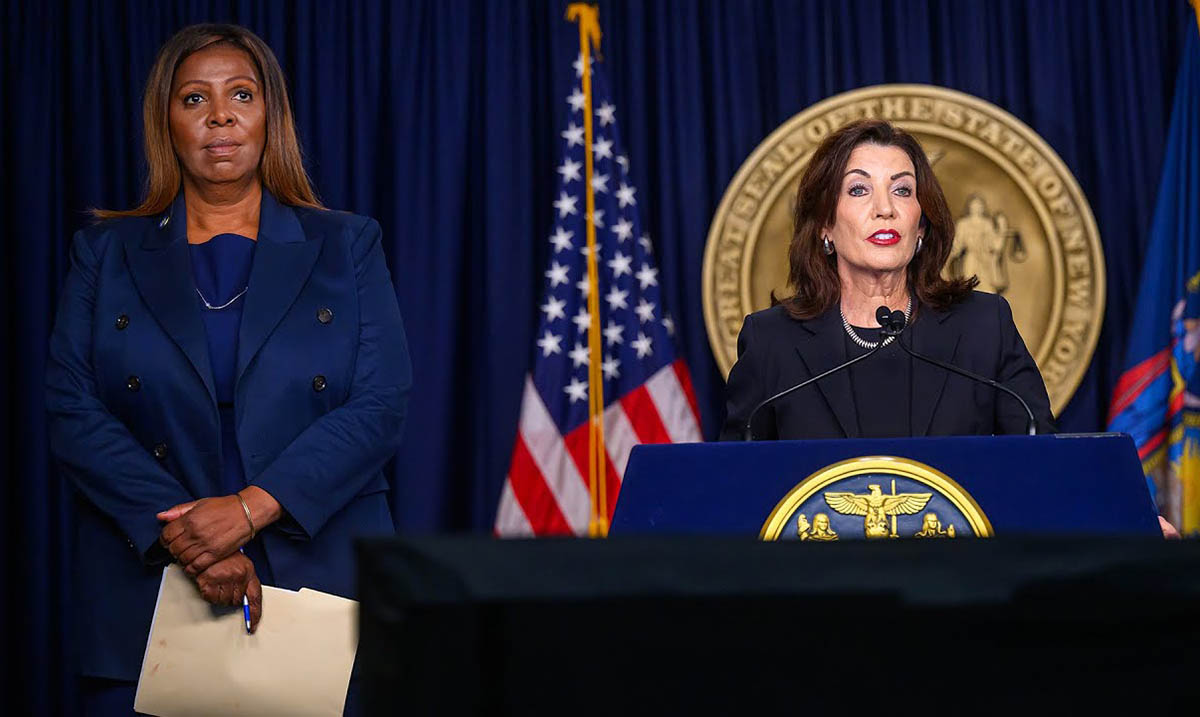
New York State prosecutors sued QCX LLC, doing business as Polymarket US, on Thursday, arguing that sports-linked event contracts on the company’s mobile app constitute an unlicensed gambling operation. Attorney General Letitia James and Governor Kathy Hochul asked a court to halt the business, seize alleged illegal gains, return money to harmed users, and impose fines equal to three times those gains,
James cast the case as consumer protection. “Our gambling laws exist to protect New Yorkers, prevent the potential harms of problem gambling, and ensure funding for educational and public benefit programs,” she said. Hochul added that the company put residents at risk, “especially those underage who are most vulnerable to problem gambling.”
The New York state petition follows earlier actions against Kalshi, Coinbase Financial Markets, and Gemini Titan on the same theory: event contracts still need a state gaming license when they function like wagers.
What the Complaint Claims About Sports Event Contracts
Prosecutors say Polymarket US launched domestically under CFTC regulation in December 2025 with a pitch of “sports – followed by markets on everything.” The office now argues those contracts meet the legal definition of gambling because outcomes sit outside a trader’s control or turn on chance. The company never obtained a license from the New York State Gaming Commission, the complaint says, and therefore skipped the tax and age rules that licensed casinos and mobile sportsbooks face. This is the pro forma argument offered by states suing prediction markets across the country.
The filing targets sporting-event contracts on the mobile app—yes-or-no and related contracts tied to games and scores. Prosecutors want those listings stopped statewide. They also want restitution, forfeiture, and civil penalties equal to three times alleged gains. Unlike the Kalshi case, this announcement did not attach a headline damages number. In July, state papers put Kalshi exposure at “at minimum” $36 billion.
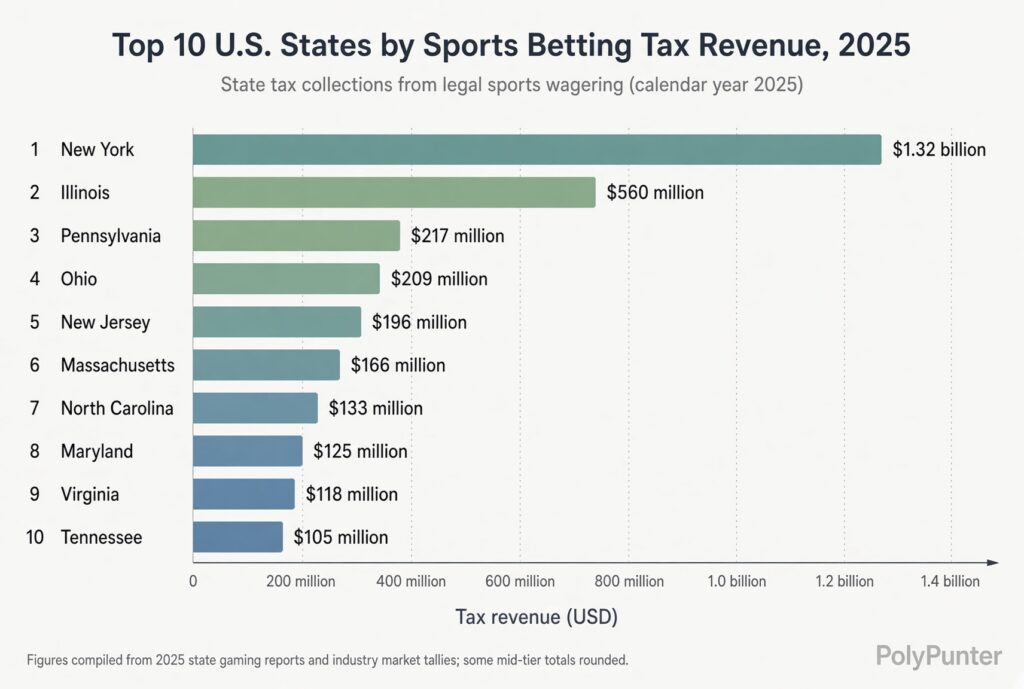
James also cited harm research, including an American Psychological Association finding that 32% of people with a gambling disorder experience suicidal ideation. State law sets the legal gambling age at 21. Prosecutors say the platform exposes people below that line to financial and personal risk.
As in all of these cases, the legal case is definitional, not financial. If a judge treats sports event contracts as unlicensed wagering, the injunction and money demands travel together. If the court treats them as federally overseen derivatives, the state’s gaming-commission theory weakens.
Polymarket’s Reply and the Fight Over Who Writes the Rules
Chief Legal Officer Neal Kumar rejected that framing. Speaking to FOX 5 New York, he called the filing “disappointing” and said the company “was founded in a tiny NYC apartment and now has more than 350 employees here.” He added, “We believe in New York, and we’re staying here.” Not a relevant legal point, but some nice public relations speak.
Kumar said the company tried to resolve concerns privately. “We didn’t run to preemptively sue the state — we chose to engage with them directly on the substance and address their concerns. They preferred the media hit,” he said. “Any time the AG’s office wants to swing by, our door is open for a conversation about how we protect consumers and offer fair, transparent and legal market.” Polymarket will obviously address their rebuttal via a formal legal defense.
Industry counsel has consistently argued that event contracts sit with the Commodity Futures Trading Commission, not state gaming commissions. Federal appeals courts already disagree over whether the Commodity Exchange Act knocks out state gambling statutes for these products. Thursday’s petition is another test of that split.
The language is familiar on purpose. In July, James and Hochul called Kalshi an “illegal, unlicensed gambling operation” and sought forfeiture, restitution, and treble penalties in a July 31 announcement. Kalshi tried to move that fight into federal court within hours.
A Manhattan federal judge later denied Kalshi a preliminary injunction against state enforcement, finding the company had not clearly shown federal law displaced local gambling statutes on sports event contracts. Polymarket now enters the same dispute.
What Comes Next for Traders and the Company
April’s Coinbase and Gemini cases supplied the legal template. James said then that “gambling by another name is still gambling,” seeking fines, forfeiture, and restitution after accusing both firms of reaching people under 21.
Two timelines now matter. The first is emergency relief: whether a judge will pause sports contracts while the merits proceed. The second is the accounting: forfeiture, restitution, and multipliers that could dwarf ordinary trading volume if the court accepts the state’s theory of gains.
Court venue will likely be the first skirmish. Kalshi raced toward federal court; state lawyers fought to stay put, citing police powers over gambling. Polymarket can try the same removal. Prosecutors can answer with a restraining-order request modeled on the Kalshi papers, including a halt on sports offerings and an order to preserve records.
Tax language may matter even more than legal, at least at this judicial level. Prosecutors say an unlicensed book skips levies that fund schools and public programs. Polymarket can reply that event-contract clearing already sits inside a federal reporting regime. Until a judge picks a lane, traders in New York will watch product-availability announcements more closely than press statements. from politicians and corporate spokespersons. Sports listings could vanish from the app for New York users, or they could stay live while the penalties pile up.
References
- Office of the New York State Attorney General, Sept. 24, 2026 press release
- Reuters, “New York sues Polymarket, says it ran illegal gambling operation”
- Associated Press / WSLS report on the Polymarket petition
- FOX 5 New York interview with Neal Kumar
- New York Post business report
- Decrypt, “New York Wants to Ban Polymarket”
- New York State Gaming Commission
- AG James and Gov. Hochul Kalshi lawsuit announcement, July 31, 2026
- Reuters on the Kalshi state-court petition
- AP News on the Kalshi damages estimate
- Reuters on Judge Analisa Torres denying Kalshi’s injunction
- AG James announcement of Coinbase and Gemini suits, April 21, 2026