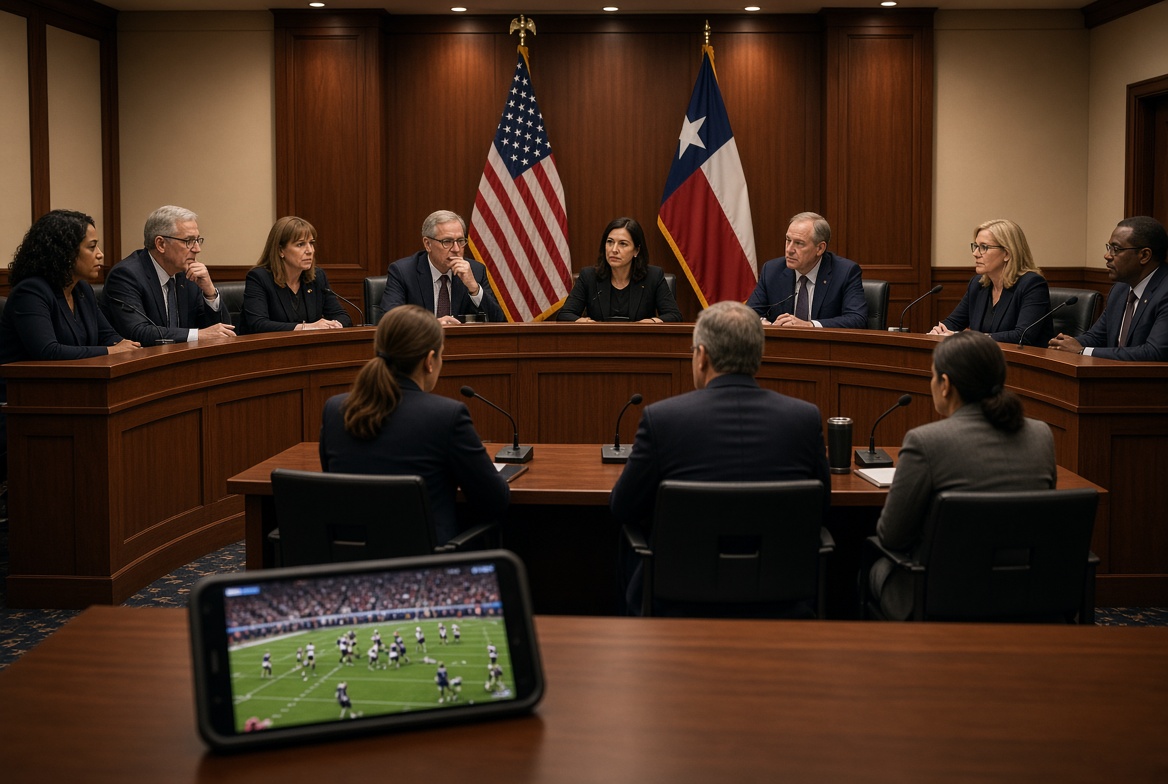
A Texas state Senate committee spent Tuesday morning debating whether sports event contracts and election-linked trades should remain available under a broad gambling ban. The hearing produced no vote. It did produce a quote line that traveled immediately beyond the room.
Sen. Bob Hall compared allowing those contracts to handing someone a painkiller before harm arrives. “That’s kind of like we’re going to give you some drugs so when we cut your throat, it won’t hurt so much,” Hall said. Never discount a Southern politician’s ability to create a dramatic, if not entirely random and odd, analogy.
Sitting nearby, Kalshi counsel Robert Denault countered that a hard ban would not erase demand, and traders would move to offshore venues with weaker identity checks and no federal CFTC regulation. This is the standard prediction market attorney response in these political and legal hearings. It’s true, but also not necessarily relevant to the history of prohibition proceedings in U.S. legislative history.
That clash — moral language on one side, federal preemption on the other — is now the core of the Texas gambling fight.
What the Interim Charge Asked the Committee to Study
Lt. Gov. Dan Patrick had already directed senators to study what he called an inundation of prediction-market gambling and to recommend steps to protect election integrity and sports integrity. The official hearing notice listed that charge first. Texas is not a legal sports gambling state, with apps like DraftKings and FanDuel not available to state residents.
Chair Sen. Bryan Hughes convened the session at 9 a.m. Public testimony was capped at two minutes, which compressed arguments that usually take hours. A rather Texas thing to do. The charge used blunt wording, asking the panel to examine how federally overseen derivative markets relate to state-prohibited gambling and to study “the exploitation of federal law.” Not exactly an objectively worded charge.
Because this was an interim hearing, lawmakers were building a record for the January 2027 session rather than advancing a bill. Local television had already framed the same question. KSAT reported that platforms were operating while Penal Code Chapter 47 still outlaws most traditional wagering.

Gaming Lobby and Exchange Counsel Collide
American Gaming Association vice president Tres York did not soften his industry group’s message:
“This legislature has made the decision to not authorize sports betting in the state for now, but whether you want it or not, prediction markets like Kalshi have defied your authority and given it to Texans anyway.”
York urged the state to sue operators, seek a geofence order, and pass legislation defining sports event contracts as illegal gambling. Later, he laid it on even thicker: “Prediction markets think they can mess with Texas.”
Denault answered as per the Kalshi legal line that Kalshi runs a federally regulated exchange, not a sportsbook. Traders face one another through an order book, he said, while the venue collects transaction fees instead of booking customer losses like a sportsbook.
“You can go the combative route and try to ban something that’s here in the United States and already federally regulated, but what you’ll end up with is a bunch of customers here in Texas just going offshore to an even more dangerous part,” the Kalshi legal rep said.
He asked for advertising limits, risk disclosures, and age-related safeguards instead of a statewide cutoff. York then walked the panel through contracts that look familiar on any sportsbook: game winners, point spreads, passing totals, and multi-leg combinations. “They offer the exact same thing except they think it’s clever and call it a ‘combo’ instead,” he said. “If you’re offering who’s going to win, the Commanders or the Cowboys, that’s a sports bet.”
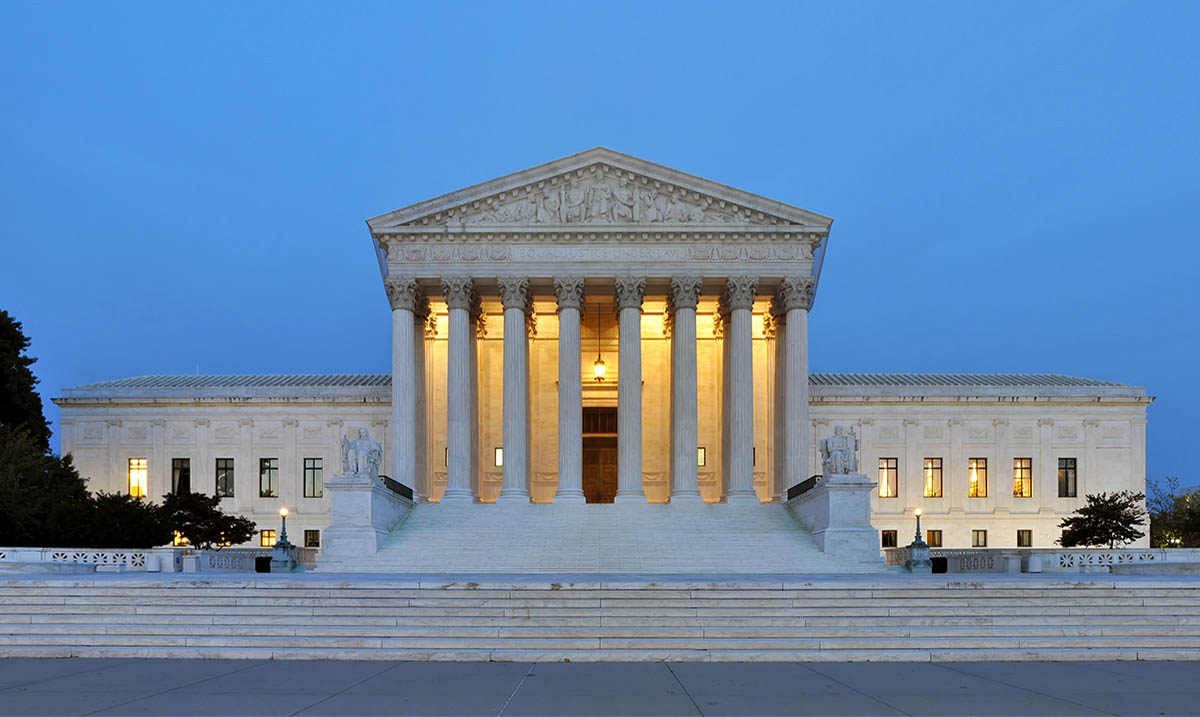
As always, Texas proceedings involve plainly spoken language. And cut right to the point. However, whether direct or more expansively explained by other states’ gaming officials in their own proceedings, this battle still ultimately will rely on SCOTUS to be the final determiner of whether these sports event contracts are legally federally covered swaps, and under CFTC and only CFTC regulation, not each individual state.
Hall’s Metaphor Fits a Longer Legal Argument
Hall’s analogy was new on Tuesday. His legal theory was not. In a May interview with Spectrum News, he said the Penal Code already defines a bet as an agreement to win or lose something of value solely or partly by chance. “By state law, whether the ‘bet’ is in a game room, sports event, or derivative market, it is illegal,” he said then.
Medical groups have pressed a separate concern. The Texas Medical Association has asked prediction market platforms to raise the minimum age to 21, citing surveys in which more than 35% of boys ages 11 to 17 said they had gambled and 58% of 18- to 22-year-olds reported at least one sports-wagering activity.
For Texas-based traders already using event contracts on football slates and statewide races, Tuesday changed nothing overnight. It did put a potential clock on adding legislation eventually to answer this argument. Committee recommendations can become bills when the Legislature reconvenes in 2027. The Texas Legislature convenes only every other year, in odd-numbered years.
The 2027 Choice Is Narrower Than It Looks
Sportsbook and casino proposals in Texas have failed for years because many Republican leaders still oppose expansion. This isn’t the same kind of state legislative proposal we’re seeing in sports betting legal states, where tax revenue from legal gambling is at stake.
Event-contract volume has only complicated the debate in Texas. Critics say the products already deliver sports action without a state license or a state tax. Supporters say the contracts are CFTC-overseen derivatives that state gambling statutes cannot reach. Again, moral-based arguments are really disguising an ultimately legal-only question.
Federal courts have not given either camp a clean map. A Third Circuit decision favored Kalshi in a New Jersey dispute. A later Ninth Circuit ruling cut the other way in litigation tied to Nevada. That split raises the chance the U.S. Supreme Court will have to decide how far state gambling bans can go.
York said other jurisdictions have had more success suing in their own courts. Denault said a courtroom brawl could still leave residents on unregulated sites, which serves no state interest. If lawmakers ban sports event contracts, they risk a preemption fight. If they do nothing, they risk looking as if they surrendered a sports betting ban they have defended for decades. If they try to legalize sportsbooks instead, they reopen a tax-and-license debate that has already died more than once. Everything is bigger in Texas, including political battles.
References
- InGame report of Sen. Bob Hall’s hearing remark
- Covers: Texas Lawmakers Hear Prediction Market Arguments
- Senate State Affairs public hearing notice, Sept. 15, 2026
- KSAT: Predictive markets available despite state gambling ban
- KSAT video: Is this a loophole or gambling with a fancy name?
- Spectrum News: Hall on Penal Code definition of a bet
- San Antonio Report: Patrick interim charges