If it’s a day that ends in a “y”, it’s likely there is legal action between states and prediction market platforms, one way or the other. And today, the drama continues.
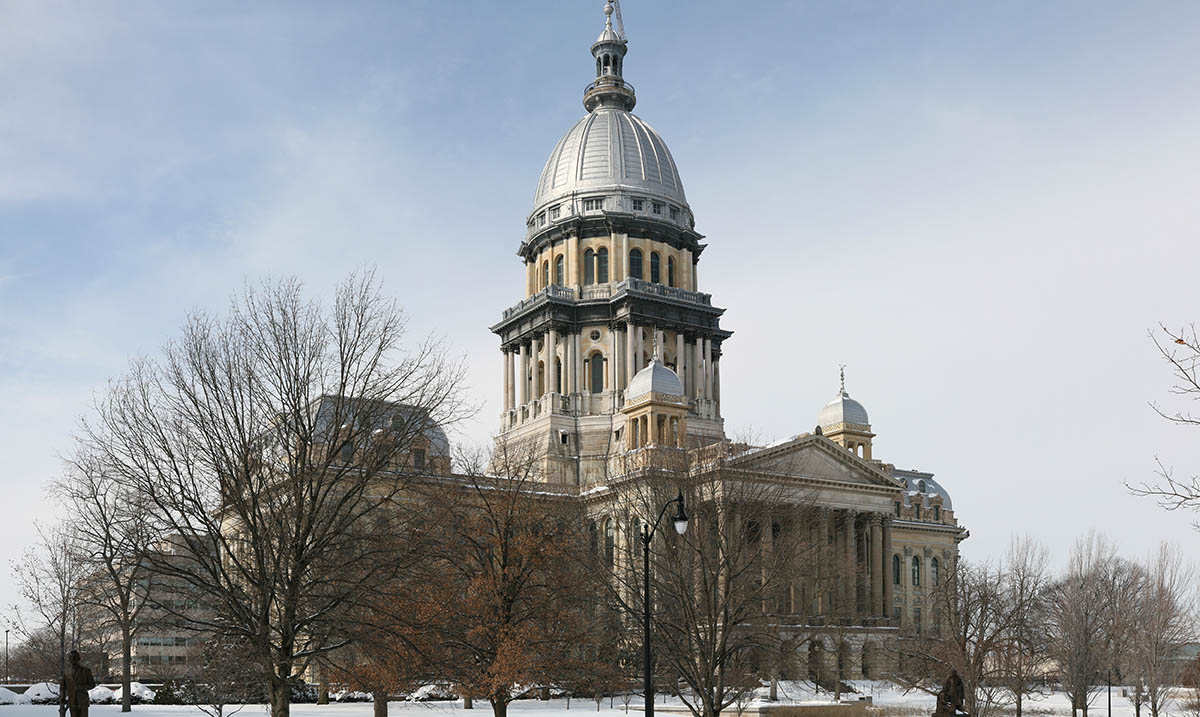
KalshiEX LLC has launched a direct legal assault on Illinois officials, filing suit in federal court to halt new state regulations that would treat its sports-related event contracts as unlicensed sports wagering. The complaint, submitted on June 23, 2026, in the U.S. District Court for the Northern District of Illinois, targets Governor JB Pritzker, Attorney General Kwame Raoul, and multiple Illinois Gaming Board members in their official capacities.
The action arrives just before the new Illinois rules take effect on July 1. Kalshi warns that compliance would expose it to criminal liability while conflicting with its obligations under federal derivatives oversight. Court documents position the dispute as a clear constitutional clash over regulatory authority.
Illinois Senate Bill 3019 Redefines Trading Activity
Senate Bill 3019, signed June 16 as part of the state budget package, expands the Sports Wagering Act. It reclassifies certain exchange wagers on prediction market platforms as sports wagering when linked to sporting events. This subjects platforms offering such contracts to state licensing, taxation, and operational restrictions.
In their preemptive lawsuit, Kalshi contends these changes directly conflict with federal law governing derivatives exchanges and cites federal supremacy in this matter. Kalshi asserts the platform operates as a designated contract market under Commodity Futures Trading Commission rules that demand uniform nationwide access for traders and is not subject to state-by-state gaming regulations.
Key Provisions Targeted in the Lawsuit
| Provision | Description | Effective Date | Potential Impact on Kalshi |
|---|---|---|---|
| Redefinition of Sports Wagering | Includes “exchange wager” agreements or swaps on prediction markets linked to sports events | July 1, 2026 | Subjects federal event contracts to state gambling oversight |
| Licensing Requirements | Mandates sports betting license with multimillion-dollar fees plus geolocation tracking | July 1, 2026 | Imposes costly compliance conflicting with CFTC nationwide access rules |
| Tax Structure | Establishes 15% tax on gross receipts from sports prediction markets to fund Sports Wagering Fund | July 1, 2026 | Adds significant financial obligations on top of federal regulatory costs |
| Operational Restrictions | Requires acceptance of trades only from persons physically located in Illinois | July 1, 2026 | Violates CFTC impartial access regulations |
| Enforcement Mechanisms | Non-compliance risks criminal penalties including felony charges | July 1, 2026 | Creates immediate threat of prosecution absent injunctive relief |
Kalshi Advances Supremacy Clause Claims
In its 31-page complaint, Kalshi asserts that the Commodity Exchange Act grants the CFTC exclusive jurisdiction over event contracts traded on designated contract markets. Sports event contracts qualify as swaps under the statute, placing them within federal purview rather than state gambling statutes.
The filing emphasizes congressional intent for uniform oversight of derivatives trading on approved exchanges. Illinois’s attempt to reclassify and regulate these instruments, the complaint argues, directly contravenes that structure through the Supremacy Clause. Complying with state licensing and in-state-only trading would breach CFTC uniformity requirements, forcing Kalshi to choose between disparate authorities for compliance, an untenable situation.
Kalshi draws on recent judicial precedents where federal courts have issued injunctions favoring preemption arguments. The CFTC previously sued Illinois over similar regulatory efforts, reinforcing the federal position. Kalshi now seeks tailored relief to protect its operations while defending uniform market access for traders nationwide.
Kalshi requested a temporary restraining order, a preliminary injunction, and a permanent injunction to prevent enforcement of the amended provisions of the Sports Wagering Act. The relief would block application of licensing, tax, and geolocation rules to its sports event contracts. Without swift court intervention before July 1, the company asserts it faces immediate operational disruption.
Their legal strategy centers on declaratory judgment confirming the state law violates the Supremacy Clause when applied to CFTC-regulated activity. The complaint underscores that even partial compliance would fragment the national market and undermine federally supervised trading. Differing state and federal regulations cannot exist simultaneously, not for viable operations.
Escalating Tensions Signal Wider Regulatory Shifts
This lawsuit forms part of ongoing confrontations between state regulators and platforms operating under CFTC designation. Illinois previously issued cease-and-desist letters targeting similar offerings, setting the stage for the current action. Kalshi maintains that its contracts undergo self-certification and federal review processes designed to ensure compliance with derivatives standards.
A favorable ruling for Kalshi could solidify protections for nationwide access and reduce compliance burdens across jurisdictions. Consequently, these cases highlight deepening federal-state authority boundaries in financial markets. The matter now proceeds in the Northern District of Illinois, with early motions likely focusing on emergency relief ahead of the July 1 deadline. Ultimately, many legal analysts expect all of these state-federal supremacy conflicts over prediction market contracts to be settled by the Supreme Court or to require pre-emption by Congressional legislation that specifically redefines the CEA and the CFTC supervisory scope.
References
1. Prediction Market Kalshi Sues Illinois Over Its Push To Regulate Sports Bets
2. Kalshi sues Illinois over new tax on prediction markets
3. Kalshi complaint PDF
4. Illinois Gaming Board cease-and-desist communications