It’s hard to know for sure the true motivations for state and local officials filing civil suits against the leading prediction markets, but if you were to build a forecasting market to uncover such motivation, “money” would have to be right up there as the top-probability contract. Not a certainty by any means, but a high probability.
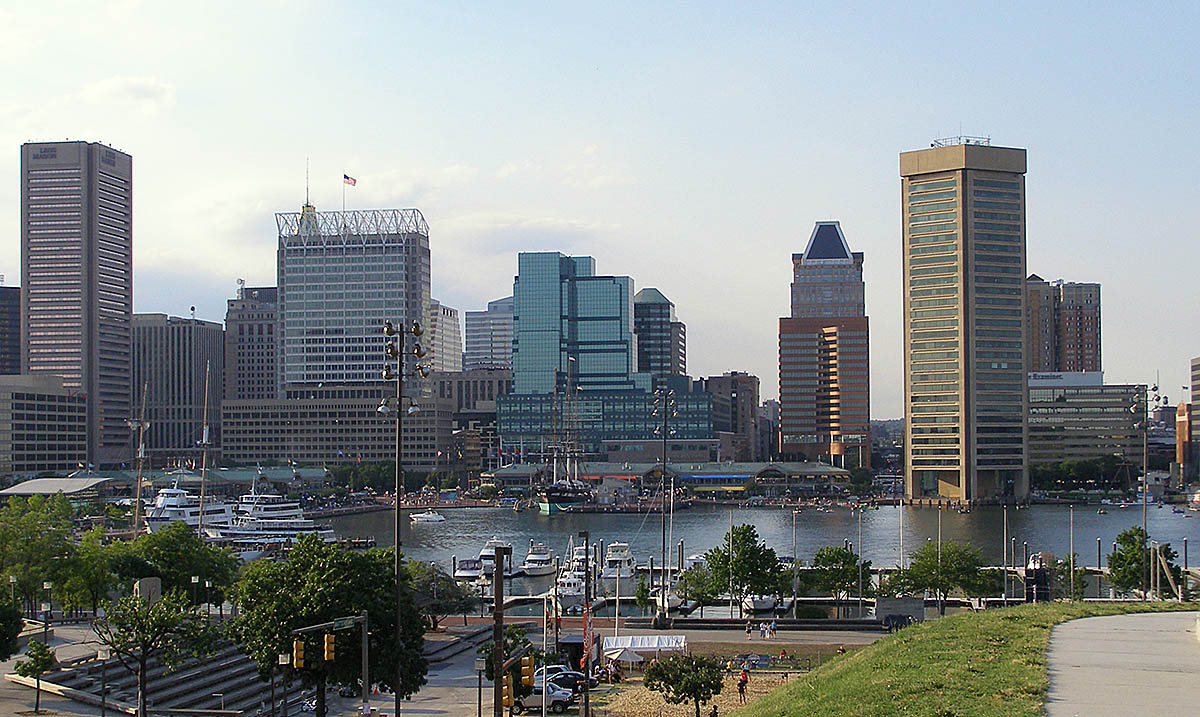
Baltimore Mayor Brandon Scott and the City Council filed dual lawsuits in Circuit Court on Thursday against Kalshi and Polymarket. The complaints allege violations of the local Consumer Protection Ordinance through illegal unlicensed sports wagering and misleading statements about the legality and regulatory status of sports event contracts. Officials say the platforms offer products that closely resemble licensed sportsbook offerings, including contracts on game winners, point spreads, player performance, and combo structures similar to parlays, while avoiding required state licenses, taxes, and consumer safeguards.
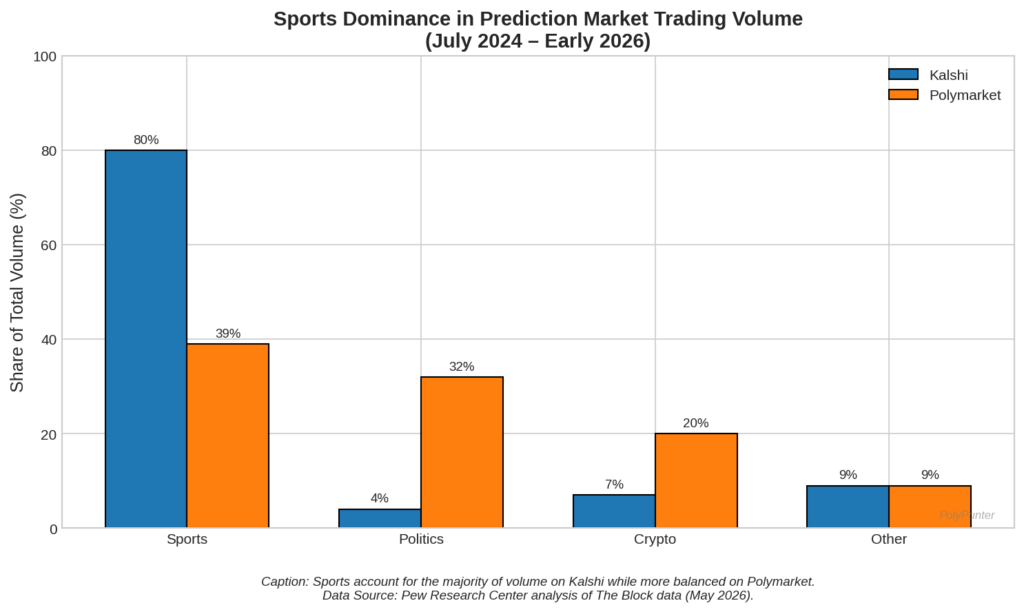
These are a mimic of the filings by state officials around the country arguing the same set of allegations. Only now at the city level. Joining New York City, which launched an “investigative inquiry” into prediction market advertising earlier this week. The endgame of this venue level is rather chaotic. There are only 50 states in the U.S. There are an endless number of municipalities.
Baltimore Scott stated:
“These companies are running sportsbooks without licenses and betting that a new label will put them above the law. It won’t. [The city] will not let multibillion-dollar companies put profits over people and harm our communities through illegal gambling.”
City Solicitor Ebony Thompson added:
“[These firms] cannot circumvent [local] consumer protections by repackaging gambling as something else or claiming federal regulation puts them beyond the reach of our laws.”
The suits seek injunctions to stop activity with local residents, restitution for traders, disgorgement of proceeds, and civil penalties of up to $1,000 per violation per day.
Kalshi Suit Names Distribution Partners
Baltimore’s suit against Kalshi extends to Robinhood Markets, Robinhood Derivatives, Webull Corporation, Webull Financial, and Coinbase Financial Markets. City lawyers argue that these partners allow traders to access Kalshi sports event contracts directly within their apps. The filing includes eight counts of deceptive and unfair trade practices and notes the platforms accept traders as young as 18, below the 21-year minimum for licensed sports wagering in Maryland.
For its part, Kalshi rejected the claims, calling the action “nothing more than an effort to relitigate the same case that’s currently under appeal before the Fourth Circuit” and “clearly political theater by Mayor Scott.” A spokesperson said the firm “operates lawfully under the exclusive jurisdiction of its federal regulator” and that “people use regulated prediction markets like Robinhood, Kalshi and CME because they’re neutral, fair and transparent marketplaces.”
Kalshi added it spent years securing federal oversight and complies with consumer protection rules, while remaining open to discussions on safeguards and prepared to defend the case in court.
Essentially, Kalshi is restating its argument in state cases, with added emphasis that individual cities don’t really have a rationale or standing for these suits, aside from sheer politics and windfall financial gain from settlement.
Polymarket Faces Parallel Claims
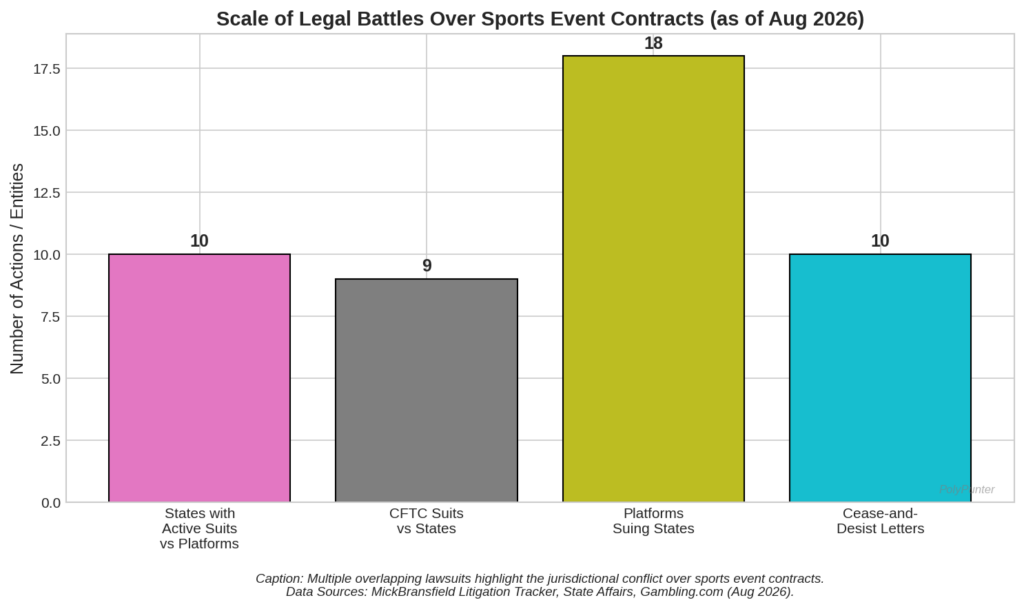
The separate Polymarket complaint filed by Baltimore names QCX LLC, Blockratize Inc., and QC Tech LLC. It alleges unlicensed sports wagering activity and marketing that creates a misleading impression of full legality and oversight. Officials further claim internal market-making practices blur lines with traditional sportsbook operations.
Polymarket responded, in similar fashion to Kalshi, that “city-specific action runs counter to the CFTC’s established [approach] for regulating prediction markets” and that “prediction markets on CFTC-registered exchanges are governed by federal law, not a patchwork of state and local rules.” Both firms maintain their contracts fall under federal derivatives rules rather than state gambling statutes. The cases arrive amid ongoing related litigation, including a Kalshi matter currently on appeal before the Fourth Circuit.
As the Circuit Court reviews the filings, attention will turn to whether injunction filings continue to pile up across venues or the matters move to federal court. The dual suits test the reach of local consumer protection rules over sports event contracts offered directly and through partners by currently federally licensed market exchanges.
References
- CBS Baltimore report on the lawsuits and company responses
- The Block coverage of the Kalshi distribution partners inclusion
- Maryland Daily Record article detailing the filings and Kalshi statement
- Crypto.news summary of the complaints and remedies sought
- WBAL NewsRadio report including Mayor Scott’s full statement
- Covers industry analysis of the consumer protection claims
- Circuit Court complaint documents filed by the city