With sports betting apps, each legal betting state has rules that dictate how those apps can advertise and market to potential customers. What kind of offers, language, promises, and enticements can be offered, or not. Some states are fairly loose; others are quite strict, threatening and fining companies that violate their highly specific rules. Meanwhile, federal event contract advertising rules are still a work in progress.
Federal derivatives supervisors are circling the bonuses that have helped prediction market platforms attract new traders. The Commodity Futures Trading Commission is sweeping incentive programs, sign-up credits, and “risk-free” offers amid concern that some promotions mislead customers. CFTC Chairman Michael Selig has not locked in a final path, yet people familiar with the talks say some form of action is expected by the end of this week.
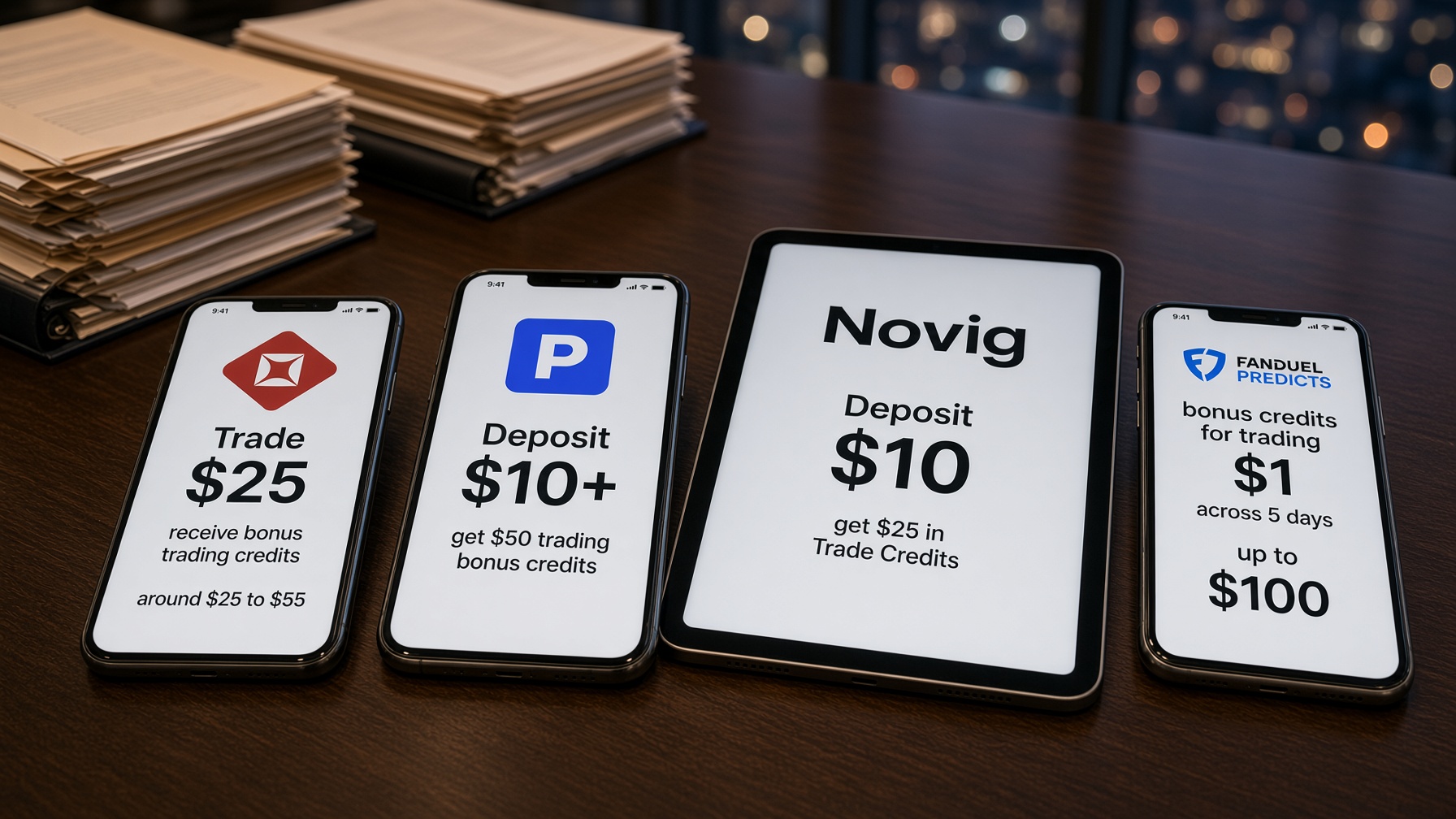
Kalshi, Polymarket, and Novig all run rewards that could fall inside that review. The CFTC declined to comment. The timing still tracks an earlier warning: staff told exchanges in August to clean up how they file and run these programs, and agency sources now describe frustration that compliance has lagged.
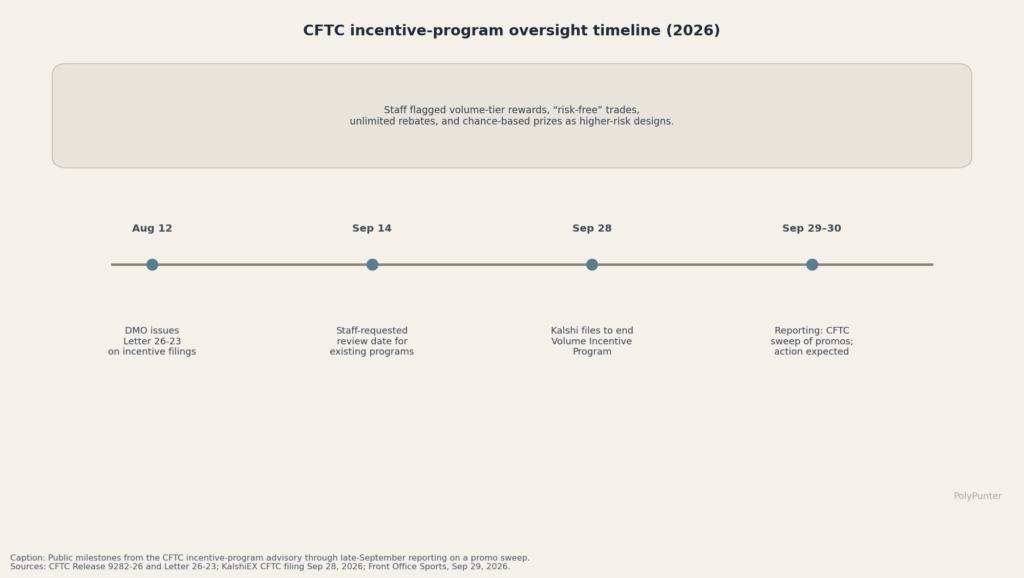
That warning, CFTC Letter No. 26-23, sits at the center of the fight. Staff in the Division of Market Oversight said too many incentive-program filings tied to event contracts arrived incomplete in details and relevant reviewable documentation. Those gaps make it harder to judge whether an exchange disclosed terms clearly and checked its duties before launching a reward. Is that vagueness intentional on the operators’ part? That’s a valid question.
What the August CFTC Incentive Program Advisory Flagged
The letter does not invent new law. It reminds designated contract markets of existing duties under the Commodity Exchange Act and CFTC Regulations 40.5 and 40.6 when they self-certify market-maker, liquidity, trading, or incentive programs. Staff wants filings that spell out purpose, duration, covered products, eligibility, performance standards, and how rewards are paid.
Volume-based rewards with steep tiers drew special heat. Staff warned that threshold bonuses can push traders to trade solely to hit targets, raising the risk of wash trading (buying and selling the same asset repeatedly to generate volume) or pre-arranged trades. Market-maker stipends that offset losses or guarantee net profits raised a similar concern, because they can subsidize artificial quoting rather than genuine price discovery.
Staff also told exchanges to drop unlimited rebates and promotions styled as “risk-free” trades. Chance-based, sweepstakes-style prizes were flagged as likely to treat similarly situated traders unequally. Secret discount codes and selective retention bonuses landed in the same category.
Exchanges that had already certified programs were urged to review those terms and file needed amendments. Material changes require a fresh 40.6 filing, not an afterthought supplement.
Sign-Up Bonuses, Risk-Free Offers, and Volume Rewards Under Review
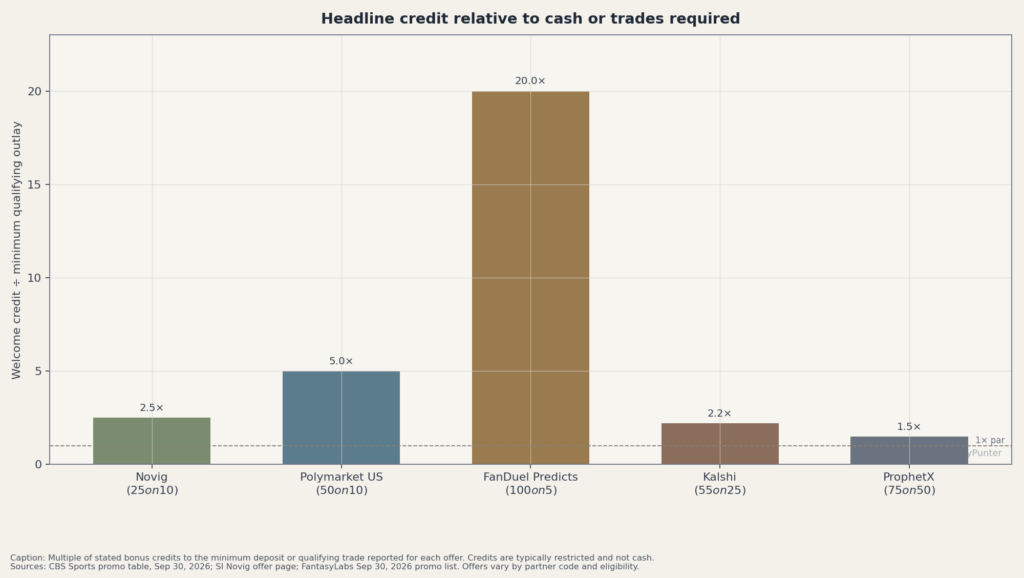
The current CFTC review sweep goes beyond paperwork. Supervisors are looking at promotions that promise cash after a trader opens an account and completes specified trades. Those offers sit next to the “risk-free” language the August letter already treated as a problem when payouts offset losses or dwarf transaction costs.
Kalshi has been among the most visible operators of volume rewards. Its Volume Incentive Program, launched in 2023, paid eligible members a share of fixed per-market pools based on qualifying order-book volume, generally at prices between $0.03 and $0.97 on event contracts. Affiliates and members under market-maker agreements were carved out.
On September 28, KalshiEX notified the CFTC that it is ending that program no earlier than October 13, 2026, replacing an original end date of October 1, 2027. The termination notice cites exchange Rule 3.13(f) and gives no public reason. Separate liquidity tools and a temporary perpetual fee rebate remain in place.
The wind-down arrived after public claims that repeated trades near $5,500 inflated ether perpetual volume. Kalshi has said it was not contacted for a formal examination and has attributed unusual patterns to liquidity rewards. Even so, shutting a volume-pay program while the CFTC reviews incentives is hard to ignore.
Why CFTC Chairman Michael Selig May Act This Week
Selig has spent 2026 arguing that event contracts are federal derivatives and pledging to police fraud inside those markets. Cleaning up rewards fits that market-integrity mandate. Possible next steps include targeted examinations or enforcement investigations. Selig has not named firms.
The August letter is staff guidance, not a Commission vote. That distinction still matters. Staff letters can shape examinations, delay self-certifications, and become exhibits if Enforcement later alleges that an exchange certified a program it never adequately reviewed. Venues that treated the August warning as optional to obey may now find it was a last warning. We may know much more by the end of this week. Sometimes, making an example of one party is the best way to get the remainder in line.
What Traders and Exchanges Should Watch Next
Traders chasing welcome credits should assume terms can change quickly. If an exchange pulls a volume pool or rewrites a sign-up bonus after a CFTC request, advertised rewards may shrink before a posted campaign end date arrives. The posted regulatory notice, not the homepage ad banner, is the safer read.
Exchanges face a narrower set of acceptable designs: transparent eligibility, no chance-based prize wheels, no unlimited loss offsets dressed up as market making, and surveillance that looks for wash patterns around reward thresholds. Kalshi’s early end to its main volume program shows one response: shut the rebate-heavy product, keep narrower liquidity tools, and file the change on the public portal.
Other venues may copy that playbook if examinations begin. They may also argue that a published bonus is not misleading when the legal terms are all in the fine print. Either way, the enforcement noose is clearly tightening. Incentives helped thicken books. CFTC staff now say some of those same tools can manufacture volume, confuse new traders, and warp prices.
References
- Front Office Sports, “Trump Admin Preparing Crackdown on Prediction-Market Promos”
- CFTC Release 9282-26, Advisory on Self-Certification of Incentive Programs
- CFTC Letter No. 26-23 (staff advisory PDF)
- Willkie Compliance Conference on Letter 26-23
- Complete iGaming on the CFTC incentive review
- KalshiEX notice terminating the Volume Incentive Program
- The Block on Kalshi ending its volume incentive program
- InGame on deficient incentive-program filings
- Covers on CFTC guidance against “risk-free” promises
- Axios Live: CFTC’s Michael Selig on prediction markets and jurisdiction
- CNBC Television: CFTC chairman on higher manipulation risk in certain contracts