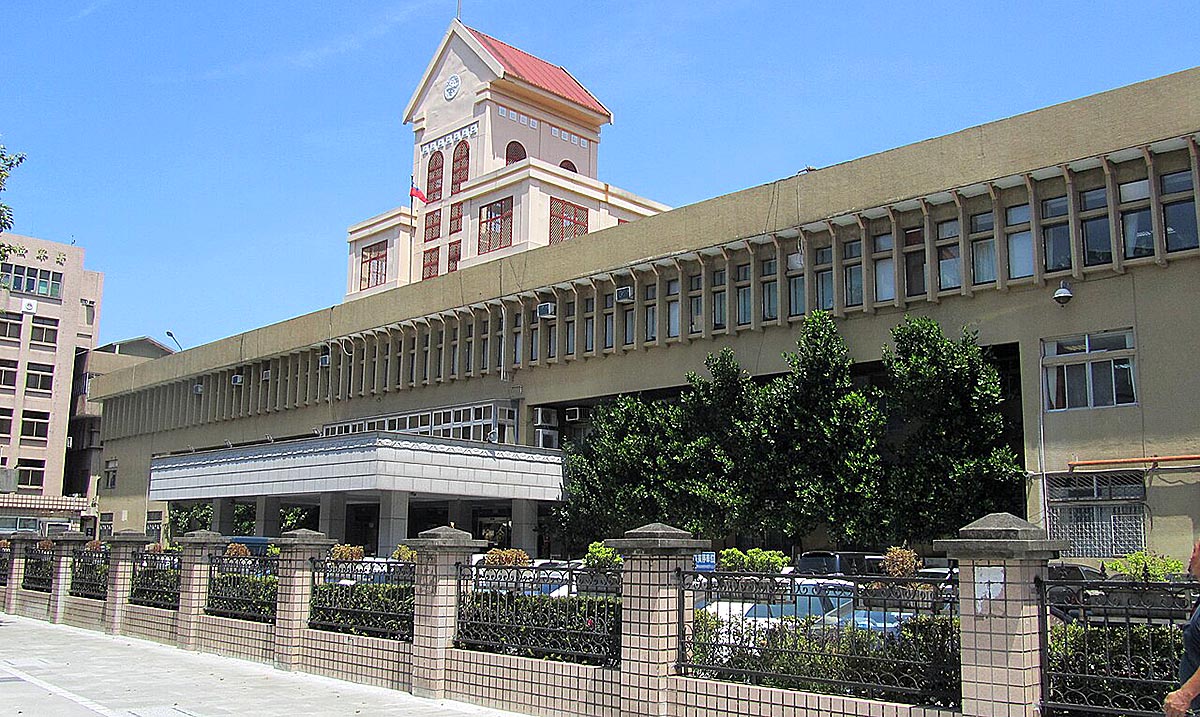
A New Taipei District Court has authorized Taiwan’s communications regulator and internet registry to restrict domestic access to Coinbase’s and Kalshi’s websites. The regulatory body alleges suspected violations of rules against profit-oriented election wagering. The October 15 order arrives weeks before local polls on November 28 and follows earlier restrictions on Polymarket under the same statute. Users began reporting that coinbase.com was unreachable in Taiwan on October 14, with some landing on block notices that cite the district court ruling.
The Criminal Investigation Bureau requested the order after identifying prediction market contracts tied to election outcomes. Officials said the step protects electoral integrity and limits potential overseas interference. Kalshi has insisted it does not permit trading from Taiwan, while Coinbase has confirmed it is investigating the access reports. Technically, neither should be allowing traders from Taiwan into these markets.
A 2023 amendment to the Public Officials Election and Recall Act sets penalties of up to six months in prison for individuals who place such wagers and up to five years for operators. Authorities have increased scrutiny of financial flows and underground activity before the vote. They have not alleged that either company handled funds linked to mainland China. That would be of greatest concern to the Taiwanese government.
How The Court Order Restricts Platform Access
The ruling, referenced locally under case number 115年度聲扣字第55號, directs regulators and the domain registry to block domestic connections to both sites. Visitors to the Coinbase homepage have been redirected to notices stating the domain is blocked under the election statute. Local testing confirmed that standard DNS paths now route users to these notices instead of the trading interface.
Some reports indicated Coinbase’s mobile app remained reachable for certain users after the website block took effect, suggesting the restriction targets web domains. Kalshi’s site received the same treatment under the identical order. The authorization gives regulators practical tools to enforce the limits without filing a new court action for each technical step.
Polymarket had already faced comparable restrictions under the same legal theory. Taiwanese regulators are handling all event contracts linked to local races under the prohibition on operating gambling for profit based on election results. Platforms that list such contracts can trigger enforcement even when access is technically limited to users outside Taiwan.
Why Election Contracts Triggered Enforcement Action
Coinbase has partnered with Kalshi to offer event contracts tied to Taiwan’s 2026 local races and the 2028 presidential contest. Public pages show Yes/No contracts on the Taipei mayoral race, party seat totals in the local elections, and the presidential contest. These contracts settle on official results and are restricted to eligible U.S. users on Kalshi’s regulated venue.
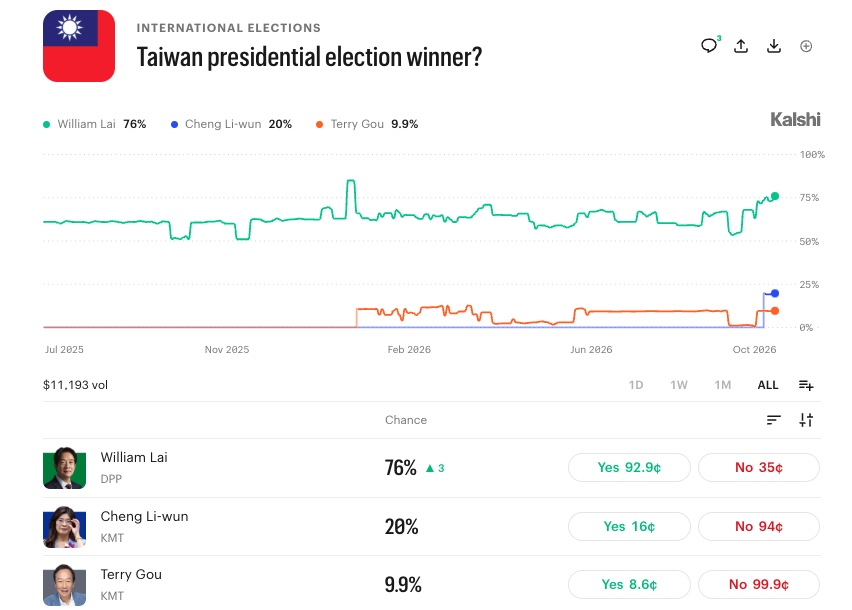
Those contracts appear to have drawn the bureau’s attention, even without direct Taiwanese access. Officials treat any profit-oriented offering based on election outcomes as falling under the statute, regardless of the platform’s base or primary user base. Earlier this year, prosecutors in another district investigated similar activity involving Polymarket and stablecoin transfers, resulting in the detention of two individuals who placed small wagers.
The timing places the restrictions just ahead of the first island-wide electoral test for President Lai Ching-te since he took office in 2024. Voters will select mayors, councilors, and village chiefs, and the results are expected to signal the landscape for the 2028 presidential race. By restricting website access rather than pursuing individual traders, the bureau has chosen a broad preventive measure under the clarified penalties in the 2023 amendment.
Platform Responses And Broader Implications
A Coinbase spokesperson said the company is aware of access problems for some users in Taiwan and is looking into the matter. Kalshi said it does not permit trading from that jurisdiction. Neither firm offered further public comment on the specific contracts or the court filing at the time of the initial reports.
The episode adds access friction for platforms that list election-related contracts through partnerships. Coinbase’s collaboration with Kalshi has brought those contracts into the interface of a major U.S. crypto exchange, yet the legal status in other jurisdictions remains unchanged. Traders who used the sites for non-election activity now face sudden interruptions, showing how quickly broader prohibitions can take effect and impact collateral activity.
The restrictions do not appear to affect cryptocurrency trading activity itself outside the targeted domains. Coinbase’s global status page continued to show normal operations, and some users reported the app still functioning. The distinction highlights the technical limits of domain-level blocks and the practical challenges of enforcing them uniformly across devices and networks.
Similar actions could arise in other countries that criminalize election wagering. Platforms that partner to distribute event contracts will need to weigh the visibility of those contracts against the risk of court-ordered access limits where the activity is prohibited. Listing the contracts can be enough to trigger restrictions even when company policy already blocks local trading.
References
- Taiwan Blocks Coinbase, Kalshi Over Suspected Election Bets – Taipei Times
- Taiwan blocks Coinbase, Kalshi over suspected election bets – The Straits Times
- Taiwan blocks Kalshi and Coinbase websites over suspected election betting – AMBCrypto
- Taiwan blocks Coinbase and Kalshi websites over election betting concerns – CryptoBriefing
- Taiwan Court Authorizes Local Access Limits on Coinbase and Kalshi – EconoTimes
- 鏈新聞實測:美國加密貨幣交易所 Coinbase 遭新北地院封鎖 – ABMedia
- Taiwan Blocks Coinbase, Kalshi Over Suspected Election Bets – Bloomberg