Washington Attorney General Nick Brown delivered a powerful blow Friday by filing a major civil lawsuit against the online event contract operator. The complaint charges the platform with operating an illegal gambling business in direct violation of the state Gambling Act and Consumer Protection Act. Prosecutors demand an immediate halt to all such activities, full recovery of residents’ losses, and substantial civil penalties that could reshape the industry.
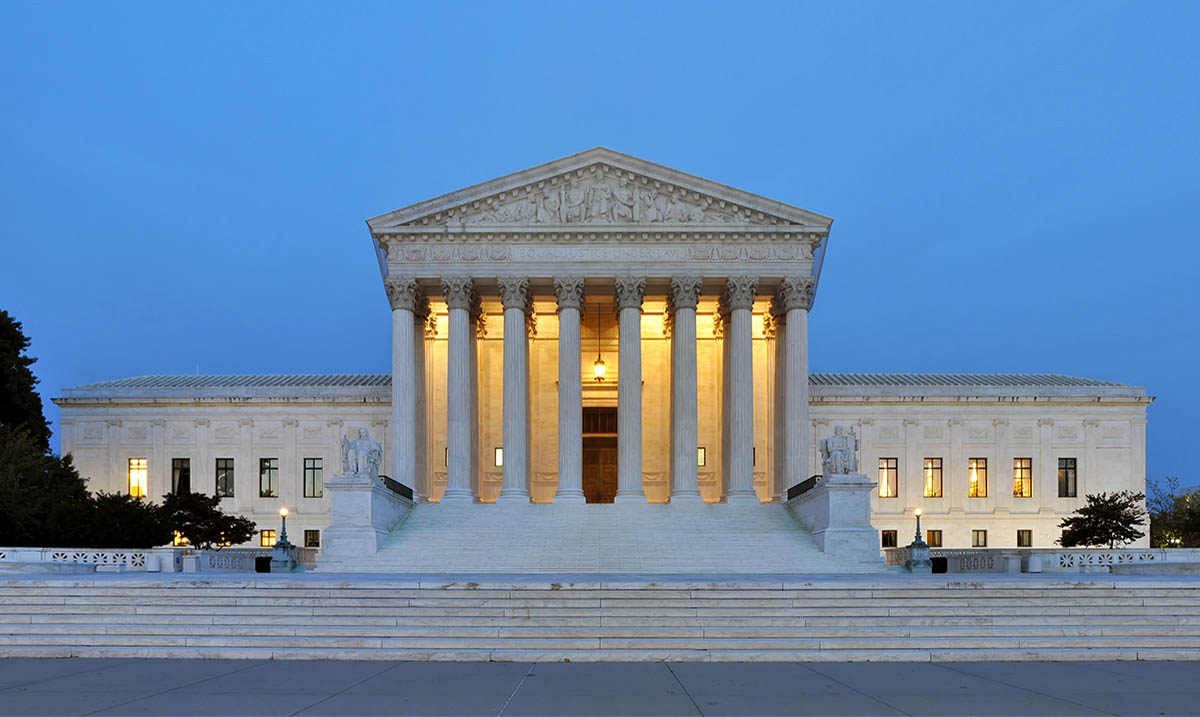
Brown delivered his message with unmistakable intensity. He described a company that transforms nearly every headline-making event into a high-stakes wager while openly dodging state prohibitions. The attorney general zeroed in on contracts covering election results, Supreme Court decisions, and global conflicts as prime examples of the platform testing—and exceeding—legal boundaries.
This aggressive filing fuels a rapidly intensifying nationwide campaign by state attorneys general against event contract platforms. Regulators insist these operations amount to disguised gambling despite claims of federal registration. The central conflict pits state gambling definitions against arguments that the contracts qualify as legitimate derivatives.
Experts monitoring the surge of cases highlight how platforms enable spread bets, over-under propositions, and event-specific wagers on everything from sports scores to public health data. Each bet places real money at risk based on uncertain future outcomes, fitting the classic legal profile of gambling under multiple state statutes. Though it could also describe all commodity futures contracts.
Nevada Strikes First with Temporary Restraining Order Halting Sports and Entertainment Contracts
Nevada gaming regulators scored a swift victory days earlier when a judge issued a temporary restraining order blocking the platform from offering contracts tied to sports, elections, and entertainment. The 14-day ban, granted in Carson City, followed evidence of unlicensed operations and inadequate protections for users under 21. The ruling forces immediate compliance with state gaming rules pending further review.
Appeals courts previously rejected the platform’s efforts to neutralize state authority outright. Nevada officials argue the contracts mirror traditional sportsbooks in every meaningful way—from odds presentation to payout structures. They view the lack of proper licensing as undeniable proof of illegal activity.
State gaming authorities continue building their case around strong consumer safeguards. The short-term order sets the stage for extended hearings that could lock in restrictions while larger jurisdictional battles unfold.
Arizona Launches Landmark Criminal Charges in the Escalating Battle Over Event Contracts
Arizona Attorney General Kris Mayes escalated the fight dramatically by filing 20 criminal misdemeanor counts against the operator. Sixteen counts accuse the platform of running an unlicensed gambling business, while four target illegal election wagering. Prosecutors say the company accepted bets from Arizona residents on political races in blatant defiance of state law.
Mayes made clear that no business can simply declare itself exempt from local rules. These charges mark the first criminal prosecution of their kind, sending a strong warning that event contracts will face the same scrutiny as any other form of gambling. Potential fines and convictions could set a tough precedent for the entire sector.
The platform fired back quickly. Communications lead Elisabeth Diana labeled the charges “seriously flawed” and accused Arizona of procedural gamesmanship designed to sidestep federal oversight. She pledged a vigorous courtroom defense while insisting the contracts remain under exclusive federal jurisdiction.
The company had already filed a federal preemptive lawsuit against Arizona to clarify preemption issues. State officials countered that criminal charges protect residents and block attempts to evade established gambling regulations.
Timeline of Aggressive Enforcement Actions Targeting Gambling Law Violations
| Date | Action Type | Key Details |
|---|---|---|
| March 27, 2026 | Civil Lawsuit | Washington seeks shutdown, loss recovery, and penalties for Gambling Act and Consumer Protection Act violations; highlights ads promoting circumvention of state restrictions |
| March 20-22, 2026 | Temporary Restraining Order | Nevada blocks sports, election, and entertainment contracts; enforces licensing and age rules for 14 days ahead of next hearing |
| March 17, 2026 | Criminal Charges (20 Counts) | Arizona files misdemeanors for unlicensed gambling and election wagering; first criminal case in the growing disputes |
This timeline captures the blistering pace of regulatory pushback. Each development adds fresh pressure on platforms to conform to state gambling standards rather than rely solely on federal derivative status.
Core Legal Clash Pits Federal Preemption Against Strong State Gambling Authority
Platform defenders insist that event contracts function as federally regulated swaps under the exclusive authority of the Commodity Futures Trading Commission. They claim this classification fully preempts state gambling laws. Administration supporters have echoed this stance in court filings and public comments.
State attorneys general push back hard, arguing the contracts operate exactly like unlicensed sportsbooks. They spotlight matching features such as displayed odds, financial risk, and reward mechanics to prove that clever labeling cannot override prohibitions. Washington’s complaint specifically calls out advertisements where users boast about bypassing local sports betting bans.
Courts have delivered conflicting decisions so far, with some favoring platforms through preliminary relief and others backing regulators. This inconsistency heightens tension and points toward an appeal to the Supreme Court for a final ruling on preemption.
Regulators also spotlight troubling youth marketing tactics. Materials aimed at 18- to 21-year-old college students and influencer campaigns raise serious concerns about fostering problem gambling. Washington documents describe aggressive recruitment efforts targeting even younger audiences in certain cases.
The heated debate stretches far beyond courtroom technicalities. Brown warned of a future in which every major life event becomes a profit engine for operators at the expense of everyday citizens. He declared that long-established consumer protections must now be enforced without compromise.
Consumer Protection Emerges as the Driving Force in State Challenges to Event Contracts
Lawsuits repeatedly highlight the financial harm suffered by residents who bet through unregulated channels. Recovery of those losses is a central demand in Washington’s aggressive suit, alongside calls for injunctions and penalties. Officials portray the platforms as cleverly exploiting loopholes that traditional gambling laws are meant to close.
Washington filings cite specific wagers on topics ranging from annual disease case counts to high-profile hearing testimony and international political developments. Prosecutors maintain these contingent bets fall squarely inside the legal definition of gambling—risking value on uncertain outcomes.
Diana responded to the allegations by clarifying that the platform avoids certain controversial markets and expressing strong confidence in prevailing, citing earlier federal court precedents. Yet states show no signs of backing down.
The coordinated enforcement wave reveals a determined effort to reclaim authority over activities states classify as gambling, no matter how platforms brand them. Regulators refuse to let derivative terminology override core public protections.
Controversial Marketing Tactics Face Intense Scrutiny in Gambling Violation Cases
Court documents expose targeted campaigns reaching younger users through social media influencers and campus events. Washington prosecutors point to posts that portray the platform as thrilling and addictive, while actively courting college-aged audiences.
These strategies heighten fears that event contracts leave vulnerable users exposed to serious financial and psychological risks. Regulators contend that such promotion worsens the damage caused by operating without required state licenses or safeguards.
The platform has offered limited direct responses to the youth marketing accusations, instead emphasizing its overarching jurisdictional defense, which holds that federal law exclusively governs.
States respond by reaffirming their clear constitutional and statutory power to control gambling inside their borders. They firmly reject any suggestion that federal derivative rules can nullify these essential protections against exploitation.
Attorneys general deliver their arguments with genuine passion, vowing to shield residents from practices they consider predatory, no matter how sophisticated the packaging.
Event Contract Regulation Future Remains Uncertain as Lawsuits Continue to Mount
Legal actions now accelerate across multiple states, expanding the battlefield with every new filing. Each complaint strengthens the growing record challenging the narrative of legitimate financial innovation.
Platforms argue they provide useful mechanisms for discovering prices on real-world events. Regulators dismiss that perspective and focus instead on the raw financial mechanics that reveal classic gambling at work.
Close watchers anticipate ongoing turbulence until higher courts issue clear rulings. In the meantime, states push forward with determination to apply existing laws without further delay.
Washington’s forceful lawsuit exemplifies this unyielding commitment. Brown’s team moved decisively to close what they view as a dangerous loophole that endangers public welfare.
As trials and appeals progress, the entire industry follows every twist with intense interest. The final outcomes will shape not only today’s players but also the regulatory rules governing similar event-based products for years to come..
References
- Washington State Office of the Attorney General Press Release – March 27, 2026
- Washington State Complaint PDF – King County Superior Court
- GeekWire Article on Washington Lawsuit Details
- Fortune Report on Arizona Criminal Charges
- Wall Street Journal Coverage of Nevada Temporary Restraining Order
- YouTube Video: Washington Accuses Platform of Skirting Gambling Laws
- PYMNTS Analysis of Washington Filing
- Reuters Report on Nevada Court Action