New traders exploring forecasting and wagering tools encounter the exciting choice between prediction markets like Kalshi and Polymarket (the two largest U.S. prediction markets) and traditional betting apps like DraftKings and FanDuel (the two largest U.S. sports betting platforms).
Both platforms allow people to put capital behind their speculation about future events, yet they differ in structure, pricing, flexibility, and potential for long-term success. Understanding these distinctions helps beginners avoid common pitfalls while maximizing their betting edge in dynamic environments. As platforms evolve in 2026, grasping how prediction markets vs sports betting operate becomes essential for informed participation.
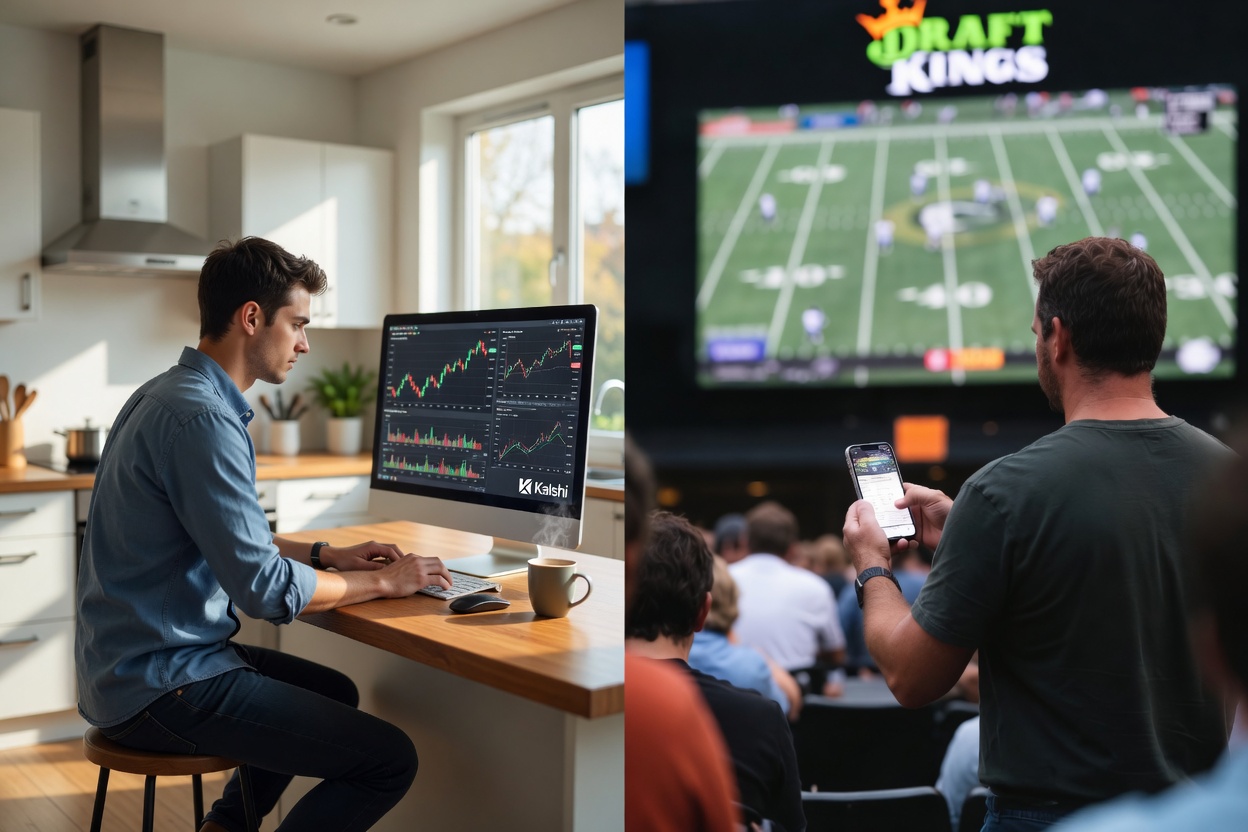
Both systems spark passion among those who love analyzing outcomes, but they reward different skills and mindsets. Prediction markets function like tradable securities driven by crowd wisdom, while traditional betting centers on fixed-odds wagers against centralized operators or “houses”. Prediction markets: playing against other prediction market users. Traditional betting apps: playing against the house that sets the odds.
You may think of prediction markets as playing poker competing against other players at the table and traditional better as playing blackjack where you and fellow players are pitted against a house dealer.
This PolyPunter comprehensive guide breaks down the contrasts, empowering you to choose paths aligned with your goals, risk tolerance, and analytical strengths.
What Are Prediction Markets and How Do They Differ from Traditional Betting?
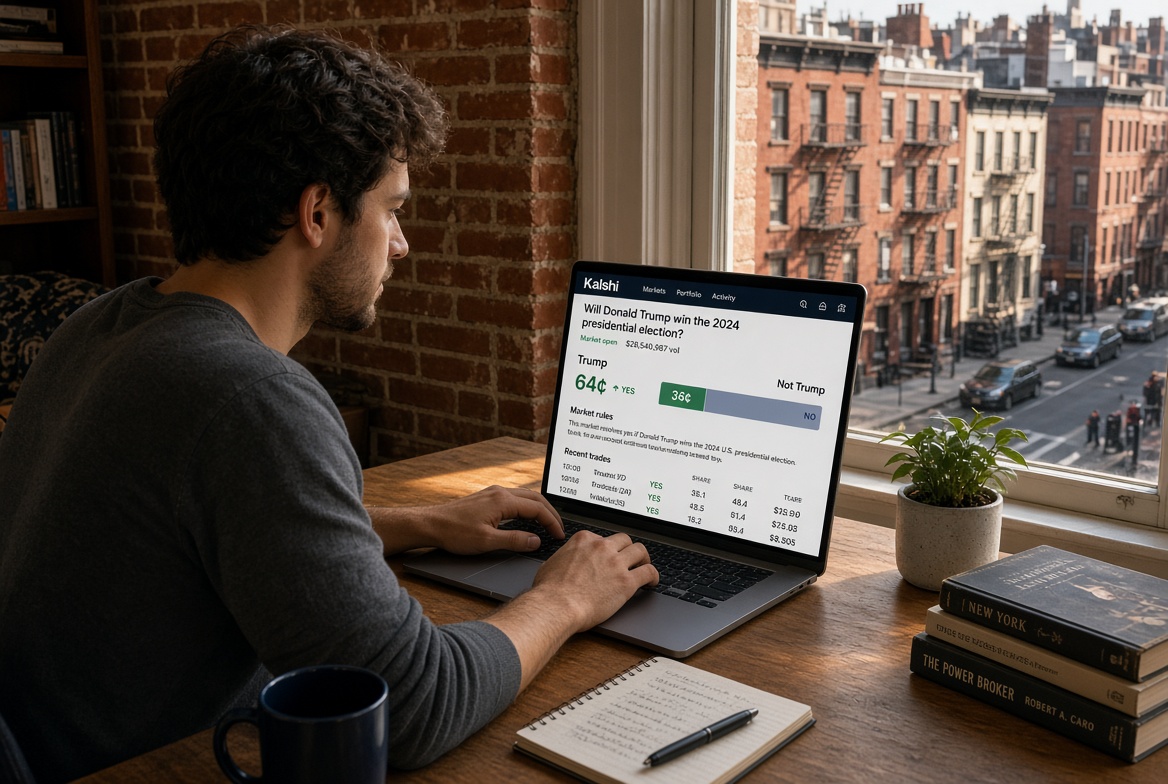
Prediction markets operate as peer-to-peer exchanges where participants buy and sell event contracts representing specific outcomes. This is similar to commodities exchanges you may see in markets for things such as crude oil, where you’re buying and selling contracts with other investors based on an expectation of future pricing.
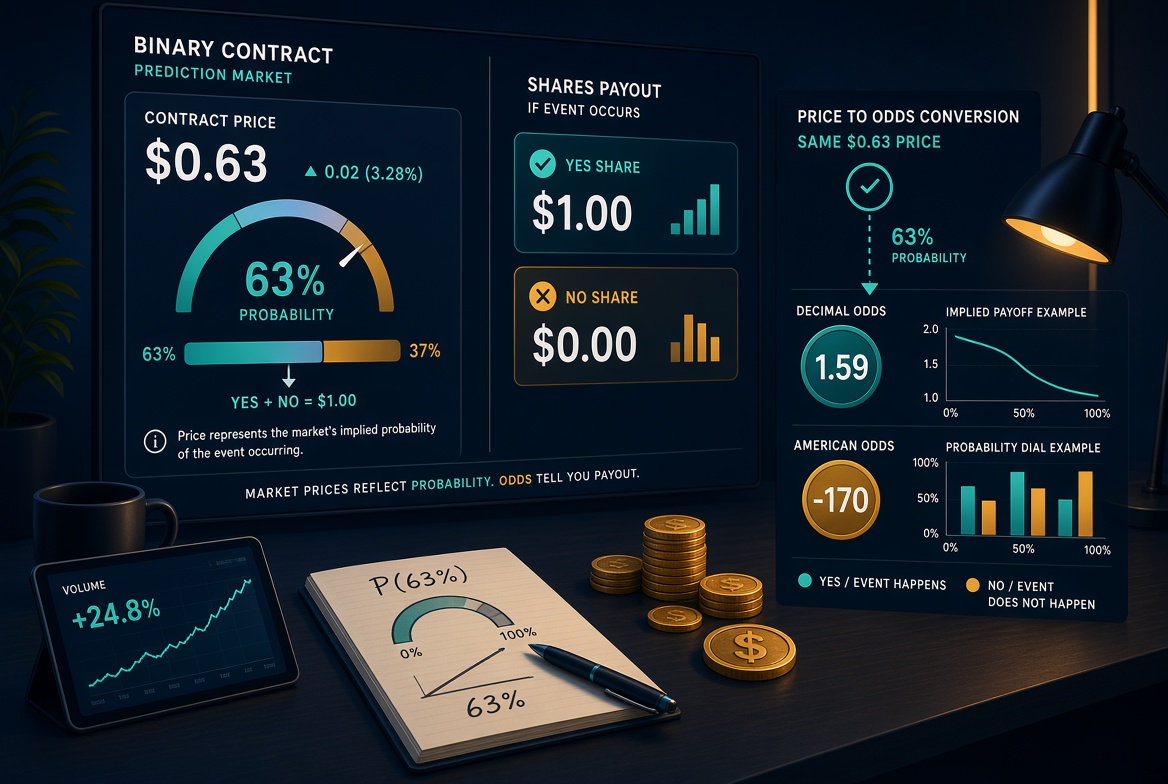
Contract prices in prediction markets range typically from $0.01 to $0.99, directly reflect the crowd’s implied probability. For example, a contract trading at $0.65 implies there is a 65% chance of the event in question happening, according to active traders in that market. Participants trade directly with one another, allowing prices to shift fluidly as new information emerges.
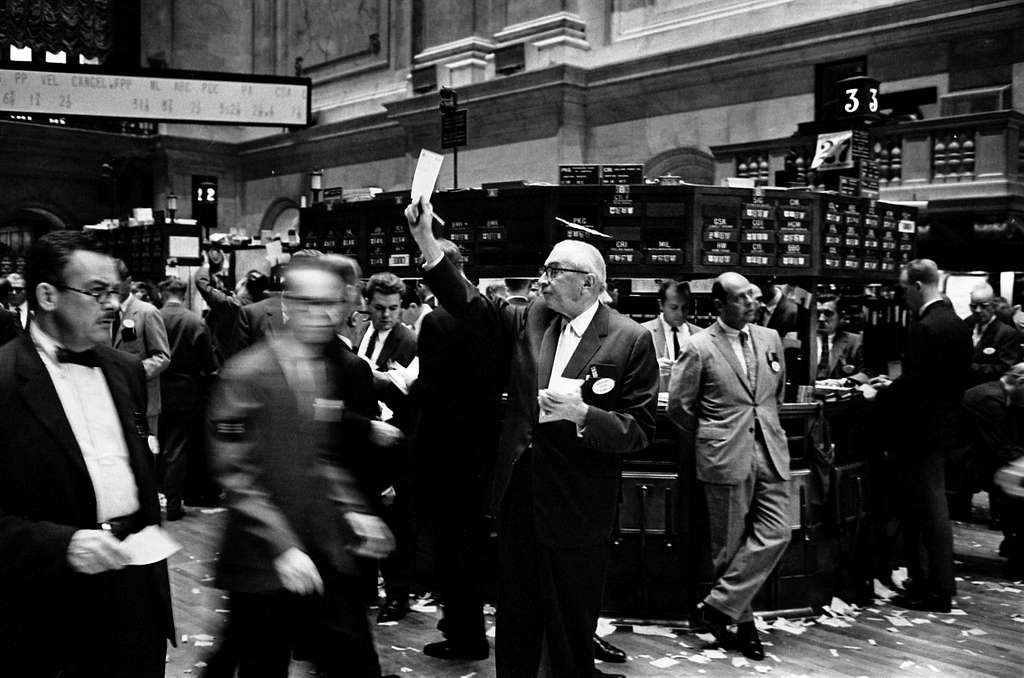
In contrast, traditional betting involves placing wagers against a bookmaker (a casino, sportsbook, or sports betting app) that sets and maintains published odds. Bettors commit funds at fixed terms that already embed the operator’s margin, often called vig or juice. Outcomes are resolved only after events conclude, with limited to no ability to adjust positions midway. This model prioritizes quick decisions on perceived discepancies between the house odds and what the individual bettor sees as the likely outcome.
Takeway: In prediction markets you’re “playing” against other bettors with their own analysis of the odds of future outcomes; with betting or sports betting you’re playing against an oddsmaker or house who set the same odds for everybody who wishes to play.
Core Mechanics: Peer-to-Peer vs House Model
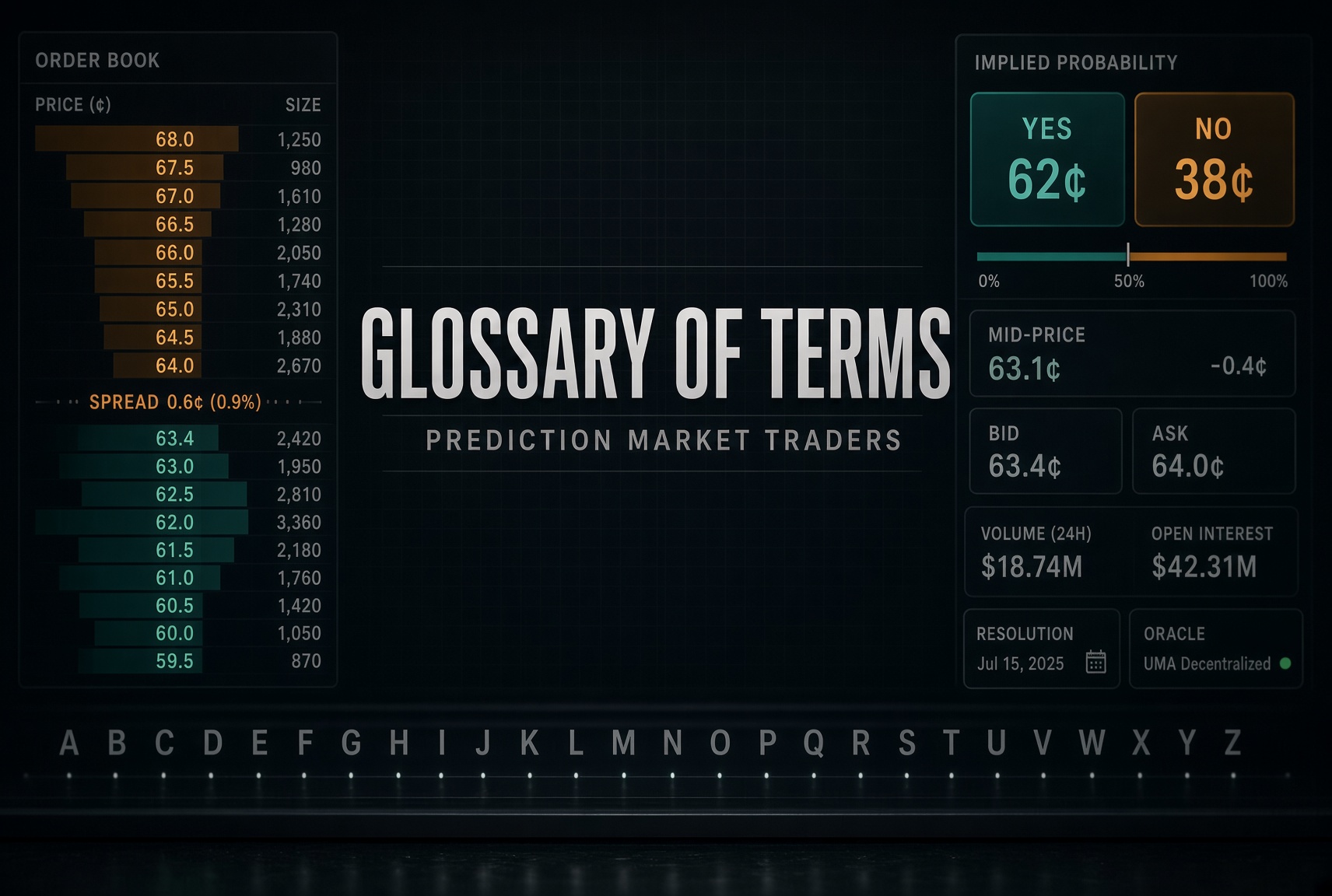
In prediction markets, every trade occurs between individual participants through an order book, eliminating the need for a traditional house counterparty. Platforms generate revenue mainly through small transaction fees rather than by taking risks on outcomes, as a sportsbook would. The prediction market platform is a service provider, not a part of the game. This structure encourages continuous trading and rapid incorporation of fresh data, much like stock exchanges. Markets can change fast.
Traditional betting positions every wager against the operator, which balances books by adjusting lines to equalize betting volumes on both sides of an event and maintaining a built-in edge. Bookmakers use sophisticated models to manage exposure while ensuring profitability from their vig. When you see odds posted by, say, a sportsbook, those are not their belief in the outcome of the event, but their belief in how bettors will bet on the outcome of the event.
These fundamental differences shape strategy profoundly. Prediction markets reward those who identify market mispricings early and adjust dynamically throughout the duration prior to event resolution. Traditional betting suits decisive thinkers who excel at evaluating odds or lines for what they perceive to be deviations from likely outcomes.
In prediction markets, you’re gaming other people in the same market. In betting, you’re gaming the house odds.
Watch this breakdown of how prediction markets function through event contracts to see the trading process in action.
Key Structural Differences in Prediction Markets vs Traditional Betting
| Aspect | Prediction Markets | Traditional Betting |
|---|---|---|
| Counterparty | Other traders (peer-to-peer) | Bookmaker (the house) |
| Pricing | Market-driven probability ($0.01-$0.99) | Fixed odds with embedded margin |
| Position Flexibility | Buy, sell, or hold anytime before resolution | Usually locked until settlement |
| Revenue for Platform | Transaction fees | Vig/juice (typically 4-10%) |
| Settlement | $1 for correct outcome, $0 otherwise | Payout based on initial odds |
Pricing Transparency and Probability Signals
Prediction markets excel by displaying clear probability through contract prices that update in seconds. Traders adjusting bids as news breaks produce highly responsive signals that often outperform static polls. This mechanism turns collective knowledge into tradable assets, rewarding sharp information processing, timing, and commitment to staying involved.
Traditional betting relies on operator-set odds that incorporate margins and risk management. Once placed, these odds stay fixed for that wager, even as circumstances change dramatically. Bettors must therefore decide quickly whether the offered line provides value at that exact moment. Bettors can buy back into the same event as odds change, but they can’t sell or exchange their originall bets.
New traders studying prediction markets vs sports betting quickly notice the analytical depth required in the former. Continuous price discovery fosters deeper engagement and more frequent opportunities to enter or exit positions profitably. Meanwhile, traditional betting offers straightforward evaluation against published lines.
Converting between formats sharpens skills across both systems. A $0.60 event contract (meaning, you forecast a 60% chance of a Yes outcome on the event contract) roughly equates to -150 moneyline odds (where you profit $66.67 for every $100 you bet, if you win). Practicing these comparisons helps beginners effectively spot cross-platform value.
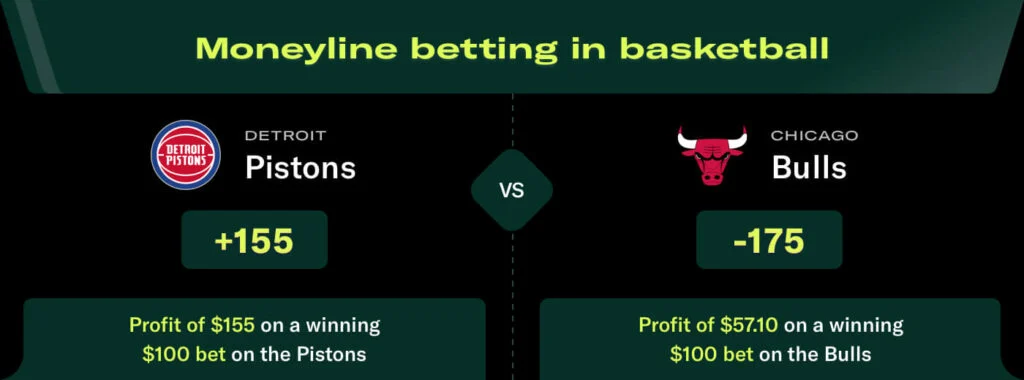
Common moneyline bets example: A +155 bet means that if you bet $100 on the Pistons (the underdog) and they win, you will payout $255 ($155 profit + your $100 bet). A -175 bet means that if you bet on the Bulls (the favorite) and they win, you will win $157.10 ($57.10 profit + your $100 bet). Obviously, if your selected team loses, you lose your $100 bet completely.
Trading Flexibility and Position Management
Prediction markets provide stock-like tradability, allowing participants to adjust or exit positions at any time before events resolve. This flexibility proves invaluable during fast-moving developments, enabling hedging, profit-taking, or loss mitigation on the fly. Active traders thrive by closely monitoring evolving probabilities.
In traditional betting, positions generally remain locked until settlement, though some platforms offer limited cash-out features at potentially unfavorable prices. This commitment structure appeals to those who prefer decisive, set-it-and-forget-it approaches without constant monitoring. Many advanced bettors use algorithms that determine for them if the posted odds are higher or lower than their own forecasts. They may also place multiple bets to hedge their risk, trying to win 3 bets and only losing 2, for instance.
Consequently, prediction markets vs. traditional betting create different engagement rhythms. The former mirrors active asset portfolio management, while the latter emphasizes conviction at entry. Many experienced participants blend both for diversified exposure and complementary strengths.
Event Variety and Market Breadth
Prediction markets extend far beyond sports, covering digital currencies, politics, economics, technology, weather, and cultural events. This diversity attracts domain experts who apply specialized knowledge across unrelated fields, building robust portfolios through cross-pollination of insights.
Traditional betting focuses heavily on athletic events, offering deep menus of props, totals, and futures across major leagues. While some operators expand into entertainment or politics, sports remain the dominant focus, fostering passionate communities around familiar competitions.
Beginners exploring prediction markets vs traditional betting often appreciate the broader intellectual stimulation in the former. The wider scope encourages continuous learning and reduces seasonal limitations inherent in sports calendars. Though worth noting, sports markets remain the largest sectors on most prediction platforms, though others markets are growing as new demographics find their way onto this platforms.
Regulatory Environment and Legal Access
Prediction markets fall under federal oversight as event contracts or derivatives, offering more uniform access than patchwork state gambling rules. This classification supports broader participation while maintaining market integrity standards. Platforms like Kalshi operate with clear CFTC alignment, distinguishing them from state-licensed sportsbooks that operate on a state-by-state basis under state regulatory boards.
Traditional betting operates primarily through state-level gambling licenses, creating availability that varies significantly by jurisdiction. Operators invest heavily in compliance to operate legally in approved markets. As a result, access depends heavily on local regulations.
Tarek Mansour, CEO of Kalshi, has highlighted how prediction markets position participants as the collective house through peer trading, setting them apart from traditional operators. This framing continues shaping regulatory conversations in 2026.
Risk Management and Cost Structures
Prediction markets remove the traditional house edge by connecting traders directly, with modest service fees applied to each transaction. Success hinges purely on forecasting accuracy and timing rather than overcoming built-in margins. However, liquidity varies across contracts, rewarding research in actively traded markets.
Traditional betting includes a consistent vig (a baked-in fee that the house takes per bet), which requires win rates above break-even thresholds (often around 52-53%) just to offset costs. Successful bettors sometimes face account limitations, adding another layer of challenge for long-term profitability.
Pros and Cons Comparison for New Traders
| Factor | Prediction Markets Advantages | Prediction Markets Challenges | Traditional Betting Advantages | Traditional Betting Challenges |
|---|---|---|---|---|
| Costs | Lower effective fees, no vig | Spreads in low-liquidity markets | Familiar pricing | Built-in house edge |
| Flexibility | Trade positions anytime | Requires active monitoring | Simple one-time decision | Limited mid-event adjustments |
| Scope | Diverse events across categories | Variable liquidity | Deep sports specialization | Narrower overall variety |
Accuracy, Advantages, and Informational Value
Prediction markets aggregate dispersed knowledge through financial incentives, frequently generating forecasts more accurate than traditional polls or expert opinions. Participants risking real capital tend to express genuine beliefs, creating efficient price discovery that incorporates subtle signals.
Traditional betting depends on bookmaker models grounded in historical data and statistics. The goal of a bookmaker is to encourage as much betting on an event as possible. Therefore, the odds they post for purchase are not necessarily based on objective forecasts of event outcomes, but rather on balancing bettors so they place wagers on both sides of the event.
Example: if Dallas Cowboys fans tend to place a lot of bets on the Cowboys to win regardless of objective forecasts, a bookmaker will adjust the odds to encourage other bettors to bet on the Cowboys to lose to maximize the total betting volume.
While reliable within sports domains, these systems lack the broad crowdsourced adaptability that powers prediction market precision. Many traders, therefore, consult prediction prices for supplementary insights even when placing traditional wagers.
New traders are discovering how prediction markets vs traditional betting serve dual purposes: profit potential plus valuable forecasting tools. Real-time probabilities inform decisions far beyond mere speculation.
Watch this practical guide for beginners entering prediction markets to accelerate your understanding with step-by-step advice.
Actionable Tips for Choosing and Succeeding
Assess your interests first. If diverse events and real-time adjustments excite you, prediction markets likely suit your style. Sports-focused enthusiasts who prefer simplicity may start with traditional betting. You can certainly experiment with smaller dollar amounts to see which platforms and processes you prefer and what suits your personal preferences.
Track performance metrics across sample trades to identify edges, whether in probability assessment or market timing. Maintain disciplined bankroll rules regardless of format. Gradually scale as experience builds while always prioritizing responsible participation.
Hybrid approaches often yield the best results. Use prediction markets for broad forecasting and hedging, while leveraging traditional betting for specialized sports depth. Stay informed about platform updates, fees, and resolution policies to avoid unnecessary surprises.
Making Your Decision in Prediction Markets vs Traditional Betting
Prediction markets vs traditional betting present compelling yet distinct paths for engaging with uncertainty and profiting from foresight. Peer-to-peer pricing, trading flexibility, regulatory frameworks, and event breadth create meaningful contrasts that influence every aspect of participation. New traders who master these elements position themselves for smarter, more sustainable success.
Your ideal choice depends on whether you crave dynamic, information-driven trading or straightforward, conviction-based wagering. Many enthusiasts ultimately incorporate both systems, capitalizing on their complementary advantages. Embrace the learning process with discipline and curiosity by placing test wagers in small amounts to get used to it.
And always stay tuned to PolyPunter for updated news and information.
References
- Prediction Markets vs Sports Betting: Key Differences
- Prediction Markets vs. Sports Betting
- Prediction Markets: What They Are and How They Differ From Sports Betting
- Prediction Markets vs. Sports Betting: The Differences, Explained
- Prediction Markets vs Sports Betting: Differences Explained
- Prediction Markets vs Sportsbooks 2026
- Prediction Market – Wikipedia
- Kalshi CEO on Prediction Markets vs Sportsbooks
- Prediction Markets Explained – Investopedia
- Prediction Markets Explained Video
- Beginner Prediction Markets Guide