The Arizona Attorney General filed a 20-count criminal charges against KalshiEx LLC and Kalshi Trading LLC on March 17, 2026. These charges target operations involving unlicensed wagering on sports events and election outcomes. Officials describe the actions as violations of state statutes that prohibit unlicensed gambling businesses and specific election wagering. The development represents the first criminal prosecution of its kind against a major event contract operator. Kalshi maintains its activities fall under federal oversight rather than state licensing requirements.
“Kalshi may brand itself as a ‘prediction market,’ but what it’s actually doing is running an illegal gambling operation and taking bets on Arizona elections, both of which violate Arizona law. No company gets to decide for itself which laws to follow.” — Arizona Attorney General Kris Mayes.
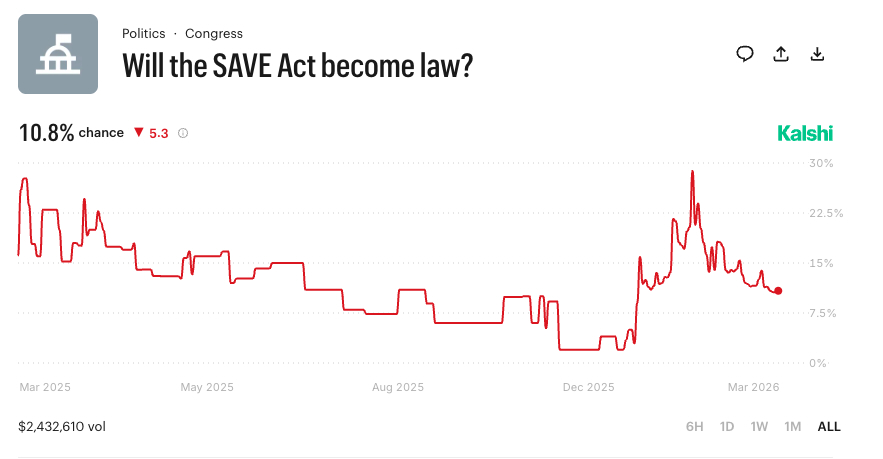
Prosecutors documented multiple instances of wagers placed from within the state. These included bets on professional and college sporting contests as well as proposition bets tied to individual player performances. Additional counts addressed wagers on whether the SAVE Act would become law and various election races.
The filing underscores ongoing tensions between state enforcement priorities and federal regulatory claims. Observers note the case could influence how event contract platforms navigate multi-jurisdictional operations.
Details of the Criminal Charges Event Contract Platform Received
State investigators conducted test transactions to build their case. These small-dollar wagers ranged from $1 to $2 each and covered high-profile events. Examples included bets on Super Bowl outcomes, college basketball games, and NBA point spreads. Proposition bets focused on specific athlete statistics, such as Devin Booker’s performance metrics. Election-related wagers encompassed the 2028 presidential race along with state-level contests.
Breakdown of the Criminal Charges
| Charge Category | Number of Counts | Specific Examples |
|---|---|---|
| Unlicensed Wagering on Sports Events | 16 | Professional contests, college games, proposition bets on player stats |
| Election Wagering Violations | 4 | 2028 presidential race, 2026 gubernatorial race, Republican primary, Secretary of State race |
| Additional Unlicensed Activity | Included in totals | Wagers on SAVE Act passage and related propositions |
Each count carries potential misdemeanor penalties under applicable statutes.
Prosecutors emphasize that the platform accepted these wagers without obtaining required state licenses. The election wagering counts invoke a separate prohibition that bars any betting on electoral outcomes. Legal filings detail how these transactions occurred through the platform’s website and mobile application. Authorities assert the evidence demonstrates clear violations regardless of the operator’s self-description.
Attorney General Statements on the Unlicensed Wagering Misdemeanor Counts
Attorney General Kris Mayes issued a direct statement following the filing. She noted that the platform branded its services as one type of activity while engaging in another that state law defines as gambling. The attorney general stressed that no company holds the right to select which laws apply to its operations. She further declared that the state would not allow any entity to place itself above established legal requirements. The remarks highlighted concerns over wagers placed on local election races.
“Arizona will not be bullied into letting any company place itself above state law.” — Attorney General Mayes.
Mayes referenced the preemptive legal action taken by the platform days earlier. She characterized the strategy as an attempt to avoid accountability through federal court filings. The attorney general vowed to pursue the case vigorously in state courts. Her office coordinated the charges after months of monitoring platform activity accessible to state residents. Officials view the prosecution as essential to upholding uniform enforcement standards
Event Contract Platform Response to Criminal Charges and CFTC Jurisdiction Challenge
Kalshi issued an immediate statement through its spokespeople. The company described the charges as based on paper-thin arguments that fail to account for federal regulatory oversight. Representatives argued that the platform functions as a nationwide financial exchange subject exclusively to the Commodity Futures Trading Commission authority. They contended that state-by-state licensing would create an inconsistent patchwork of rules unsuitable for such operations. Kalshi promised to defend itself fully in court proceedings.
“These state-court charges are seriously flawed. It’s gamesmanship,” Kalshi said in a statement to the Arizona Mirror. The company preemptively sued the state last week in federal court, arguing that it is regulated by federal guidelines rather than state laws.
Kalshi claims that Mayes’ charges are to “circumvent federal court and short-circuit the normal judicial process,” adding that they believe the charges “are meritless, and we look forward to fighting them in court.”
Company officials pointed to prior court recognitions of federal jurisdiction in similar matters. They labeled the timing of the charges as gamesmanship intended to bypass ongoing federal litigation. The platform had filed its preemptive lawsuit against state officials just days before the criminal information appeared. Kalshi seeks a preliminary injunction to halt the enforcement of the relevant statutes. Spokespeople reiterated that the contracts differ fundamentally from traditional sportsbooks or casinos in structure and regulation.
Timeline of Key Developments in the CFTC Jurisdiction Challenge
| Date | Event | Details |
|---|---|---|
| March 12, 2026 | Preemptive Federal Lawsuit Filed | Kalshi sues Arizona officials seeking injunction against state law enforcement |
| March 17, 2026 | Criminal Charges Filed | 20-count information issued for unlicensed wagering and election violations |
| Ongoing | Expected Court Hearings | Preliminary motions anticipated within weeks |
Preemptive Federal Lawsuit Details in the Illegal Gambling Misdemeanor Case
Kalshi filed suit in federal district court against the Arizona Attorney General and Department of Gaming officials. The complaint seeks declaratory relief confirming that federal law preempts state gambling statutes as they apply to event contracts. Attorneys for the platform argue that the Commodity Exchange Act grants the CFTC exclusive authority over such instruments. The filing requests an immediate injunction to prevent any enforcement actions during litigation. Court documents emphasize the nationwide scope of the platform’s user base.
Legal experts describe this preemptive approach as a consistent tactic employed by the operator. Daniel Wallach, a gaming law specialist, commented on the strategy via social media. He noted the effectiveness of racing to federal court in prior disputes.
Broader Implications of the First Criminal Action Against a Betting Operator
Industry participants watch the proceedings closely for signals on regulatory boundaries. The case tests whether event contract platforms can operate uniformly under federal rules or must comply with varying state requirements. Outcomes could affect how operators structure offerings across the country. Stakeholders await rulings on the scope of CFTC preemption claims. The resolution may shape future enforcement priorities among state attorneys general.
Similar jurisdictional debates have appeared in other federal court filings. A detailed examination of one such ruling appears in coverage from PolyPunter.com.
Legal Expert Perspectives on Election Wagering Violations and Unlicensed Operations
Commentators from multiple firms offer balanced assessments of the charges. Some highlight the evidentiary strength derived from documented test wagers. Others emphasize the platform’s federal registration status as a designated contract market. Attorneys stress that courts must weigh the specific language of the Commodity Exchange Act against state statutes. The debate centers on whether sports and election contracts qualify as regulated commodities.
Additional analysis points to the distinct prohibition on election wagering. State law treats such activity separately from general gambling statutes. Prosecutors argue this creates an independent basis for charges even if other claims face preemption challenges. Legal teams anticipate extensive briefing on these distinctions during motions practice. The case may produce precedents useful in parallel disputes.
Potential Outcomes and Next Steps in the CFTC Jurisdiction Challenge
Courts could grant the requested injunction and pause state enforcement. Such a ruling would allow continued operations pending full appeals. Alternatively, judges might deny relief and permit criminal proceedings to advance. Convictions on misdemeanor counts would carry fines and possible operational restrictions within the state. Appeals to higher federal courts remain likely regardless of the district decision.
The platform continues to assert that its model supports transparent price discovery on real-world events. Spokespeople maintain that criminalizing federally supervised trading activity mischaracterizes it. State officials counter that public policy demands licensing for any wagering accessible to residents. Both sides prepare detailed submissions on legislative history and regulatory intent. The dispute may ultimately reach appellate review for definitive guidance.
Market participants adjust strategies in light of the uncertainty. Trading volumes on certain event contracts show sensitivity to regulatory news. Analysts track parallel cases for cumulative effects on the sector. The Arizona matter serves as one data point in a larger pattern of state-federal interactions. A long-term resolution could clarify the operational rules for all involved parties.
Public and Industry Reactions to the Landmark Misdemeanor Filing
Legal observers share real-time commentary on social platforms. Discussions focus on the novelty of criminal rather than civil enforcement. Commentators debate the strength of preemption defenses based on prior CFTC statements. The exchange of views reflects a broader interest in how regulators classify event contracts. Public statements remain measured as litigation unfolds.
Wallach’s earlier social media post captured attention among specialists. The update detailed the procedural next steps, including motions practice. It provided context on the timing of the preemptive filing relative to the charges. Readers referenced the link for concise summaries of tactical considerations. The post contributed to informed dialogue without taking sides in the dispute.
The case draws attention from those monitoring regulatory developments. Stakeholders emphasize the need for clear jurisdictional lines to support efficient markets. Both parties express confidence in their legal positions as proceedings begin. The matter proceeds under standard timelines for misdemeanor informations. Updates will emerge from court dockets in the coming weeks.
This filing marks an escalation in oversight of event contract activities. A major escalation.
References
- Arizona Attorney General Press Release on Charges
- CNBC Coverage of Misdemeanor Charges and Response
- New York Times Report on the Filing
- NBC News Article on Illegal Gambling Allegations
- The Block Analysis of State Battles
- CoinDesk Summary of Election Betting Charges
- Daniel Wallach X Post on Preemptive Strategy
- Yahoo Finance Report on Preemptive Lawsuit
- Sports Betting Dime Coverage of Federal Suit
- PolyPunter Article on Federal Ruling in Ohio
- PolyPunter Coverage of Nevada Enforcement Action
- CNN Politics Report on Landmark Charges
- Guardian Article on Election Bets Allegations
- Wall Street Journal Update on the Case
- Arizona Mirror Brief on Unprecedented Move