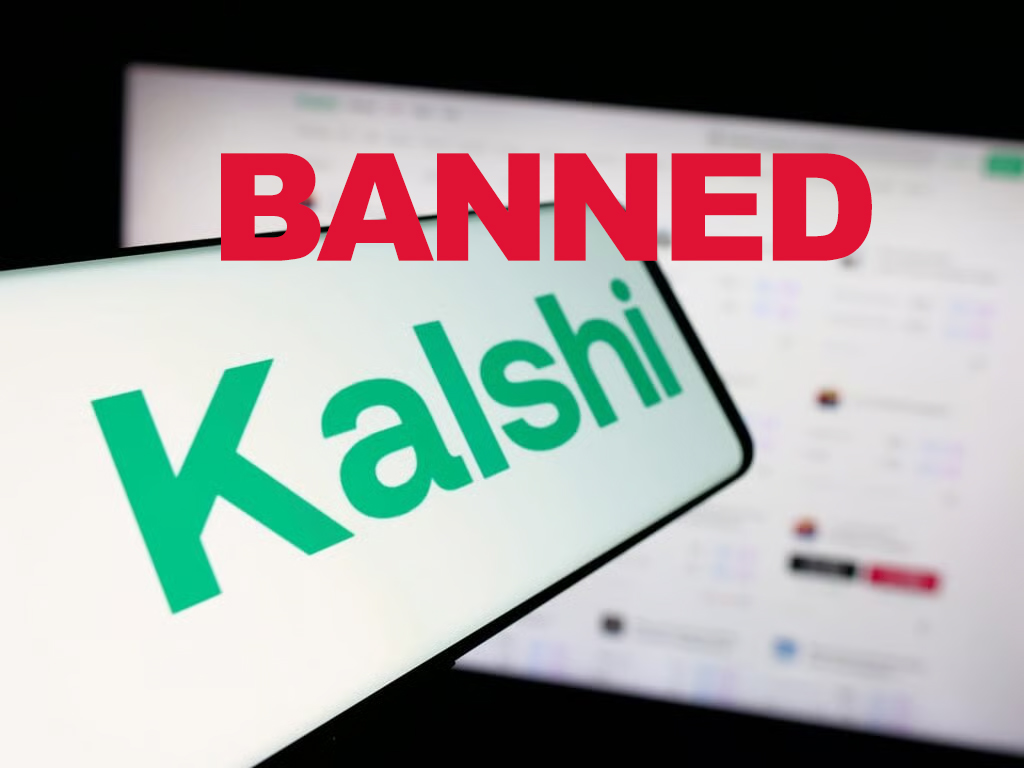
The First Judicial District Court issued a 14-day temporary restraining order that immediately halts a Kalshi from offering event-based contracts. Regulators hailed the ruling as a decisive victory that protects state interests. This action marks the first time officials force such a complete operational pause on the platform within their borders.
Judges reviewed arguments from gaming control authorities who describe the contracts as unlicensed wagering that threatens the integrity of established industries. Platform executives maintain silence on the order while their legal teams prepare appeals. The decision escalates tensions that have simmered for months in courtrooms across the country.
Court Grants Immediate Restraining Order Halting Event Contract Operations
State gaming regulators filed a civil enforcement action that prompted the judge to sign the restraining order without delay. The order explicitly bars the platform from providing derivatives exchanges or markets involving sports, election, or entertainment events unless the company secures proper gaming licenses. Officials argue these activities function as percentage games under local statutes and demand strict compliance.
Legal filings highlight how the platform continued expanding its offerings despite earlier warnings. Chief Deputy Solicitor General Jessica Whalen emphasized in court documents that ongoing operations harm the public every single day and pose an existential threat to thriving industries. Control board leaders vow to safeguard residents and uphold standards that have defined the sector for decades.
Analysts tracking the case note the order takes effect right away and lasts 14 days while courts schedule hearings on a longer preliminary injunction. Gaming attorney Daniel Wallach predicts judges will likely extend the pause for the full duration of litigation. The ruling leaves traders scrambling to adjust strategies as access disappears overnight.
Ninth Circuit Denial Clears Path for Escalating Jurisdiction Disputes
Federal appeals judges rejected the platform’s emergency request for an administrative stay just one day before the state court acted. The Ninth Circuit panel issued a one-page order that sent the dispute back to local jurisdiction without further delay. Platform lawyers had warned of conflicting rulings across multiple venues if states proceed unchecked.
Earlier federal proceedings included a November decision that initially favored the platform before appeals flipped the momentum. Regulators pushed back against claims of exclusive federal oversight and insisted states retain authority over activities resembling traditional wagering. The Commodity Futures Trading Commission filed friend-of-the-court briefs supporting the platform and asserting preemption under commodity laws.
CFTC Chairman Michael Selig delivered strong public statements promising to meet critics in court and defend federal jurisdiction vigorously. Industry insiders watch these clashes closely because outcomes could reshape how event-based trading functions nationwide. The denial removes any temporary shield and hands regulators the green light they sought for months.
Key Timeline of Escalating Actions in Event Contract Legal Challenges
| Date | Milestone | Impact on Operations |
|---|---|---|
| March 2025 | Cease-and-desist order issued | Platform directed to halt sports-related contracts immediately |
| November 2025 | Federal judge lifts initial injunction | Appeals process begins amid ongoing trading |
| March 13, 2026 | Platform files emergency stay request | Arguments center on risk of conflicting court decisions |
| March 19, 2026 | Ninth Circuit denies administrative stay | State court proceedings accelerate without delay |
| March 20, 2026 | 14-day temporary restraining order granted | Full halt on sports, election, and entertainment contracts |
Courts continue weighing federal preemption arguments against state authority claims with high stakes for both sides.
Industry Insiders React to the Sudden Halt in Event Contract Trading
Trading communities erupted with discussion following the announcement as users shared real-time reactions across platforms. One prominent analyst posted on X highlighting the 14-day ban and linking it to broader control questions between state and federal powers. The post quickly gained traction among followers monitoring these developments.
Legal experts describe the ruling as a watershed moment that tests the boundaries of commodity derivatives regulation. Platform supporters argue the contracts qualify as swaps under federal rules and deserve uniform oversight rather than fragmented state enforcement. Opponents counter that the activities undermine carefully constructed gaming frameworks designed to protect consumers.
CFTC Preemption Arguments Face Growing Pushback in Multiple Venues
Federal regulators continue asserting exclusive authority while states file parallel actions that challenge this position head-on. The CFTC maintains these event contracts fall squarely under commodity laws and preempt conflicting local rules. State attorneys general respond by classifying the offerings as illegal gambling operations that evade licensing requirements.
Similar disputes unfold in other jurisdictions where courts reach differing conclusions on the same core issues. Some federal judges block enforcement actions while others uphold state authority and deny preliminary relief to the platform. This patchwork creates confusion for users and operators alike who navigate shifting compliance landscapes.
Recent criminal charges filed in Arizona add further pressure and demonstrate how aggressively officials pursue enforcement. Platform representatives decline comment on individual cases yet continue raising substantial funding rounds that signal investor confidence despite the legal headwinds. Valuation reports show dramatic increases even as injunctions mount.
Traders Confront Uncertainty Following the Restraining Order on Event Contracts
Participants who placed positions on sports outcomes or election results now face restricted access and must reassess their strategies on short notice. Volume data from prior periods shows heavy engagement in these exact categories that the order now prohibits. Regulators point to this activity as evidence that the platform competes directly with licensed operations.
Advocates for innovation warn that repeated injunctions stifle technological progress in financial forecasting tools. They call for clearer guidelines that reconcile federal oversight with state concerns rather than prolonged litigation. Opposing voices insist that consumer protection demands immediate action to close regulatory gaps.
The 14-day window provides breathing room for negotiations yet few expect quick resolutions given the entrenched positions. Appeals processes will likely stretch into coming months while platforms explore workarounds or compliance adjustments. Market watchers monitor every filing for signals about the ultimate direction of these disputes.
Broader Regulatory Pressures Mount Across Event Contract Landscapes
Multiple states pursue parallel enforcement actions that target similar platforms and contract types. Bipartisan lawmakers express frustration over age restrictions and accessibility issues that differ from traditional wagering rules. The Supreme Court may eventually resolve the core preemption question if lower courts remain divided.
Funding announcements reveal resilience in the sector despite mounting legal costs and operational restrictions. Investors appear willing to bet on long-term viability even as short-term injunctions create volatility. Platform teams focus resources on defending core arguments about commodity classification and federal supremacy.
Legal teams on both sides prepare for extended courtroom engagements that could define the future of event-based trading. The current temporary block serves as a powerful reminder of how quickly regulatory environments can shift. Participants who value these markets now track developments with heightened attention.
Stakes Rise as Courts Weigh Future of Event Contract Trading Models
Every new ruling adds layers to the ongoing debate over jurisdiction and classification. Regulators pushing for licensing requirements highlight public interest and industry integrity concerns. Federal advocates counter that uniform rules prevent the chaos of 50 different standards.
Traders who embraced these platforms for their unique hedging opportunities now navigate uncertainty with creative adjustments. The passion surrounding these issues reflects deep beliefs about innovation versus protection in financial markets. Outcomes will influence not only current users but also the next generation of forecasting tools.
Courts continue balancing competing interests while the temporary order remains in force. Stakeholders on all sides anticipate further developments that could clarify or complicate the landscape even more. The battle over event contracts stands as one of the most compelling regulatory stories unfolding right now.
References
- WIRED – Kalshi Has Been Temporarily Banned in Nevada
- CoinDesk – Appeals Court Clears Way for Temporary Ban
- Nevada Gaming Control Board Civil Enforcement Action PDF
- Ninth Circuit Denial Order
- Yahoo Finance – Nevada Sues to Block Operations
- Bloomberg – Kalshi Gets $1 Billion in New Funding at $22 Billion Valuation