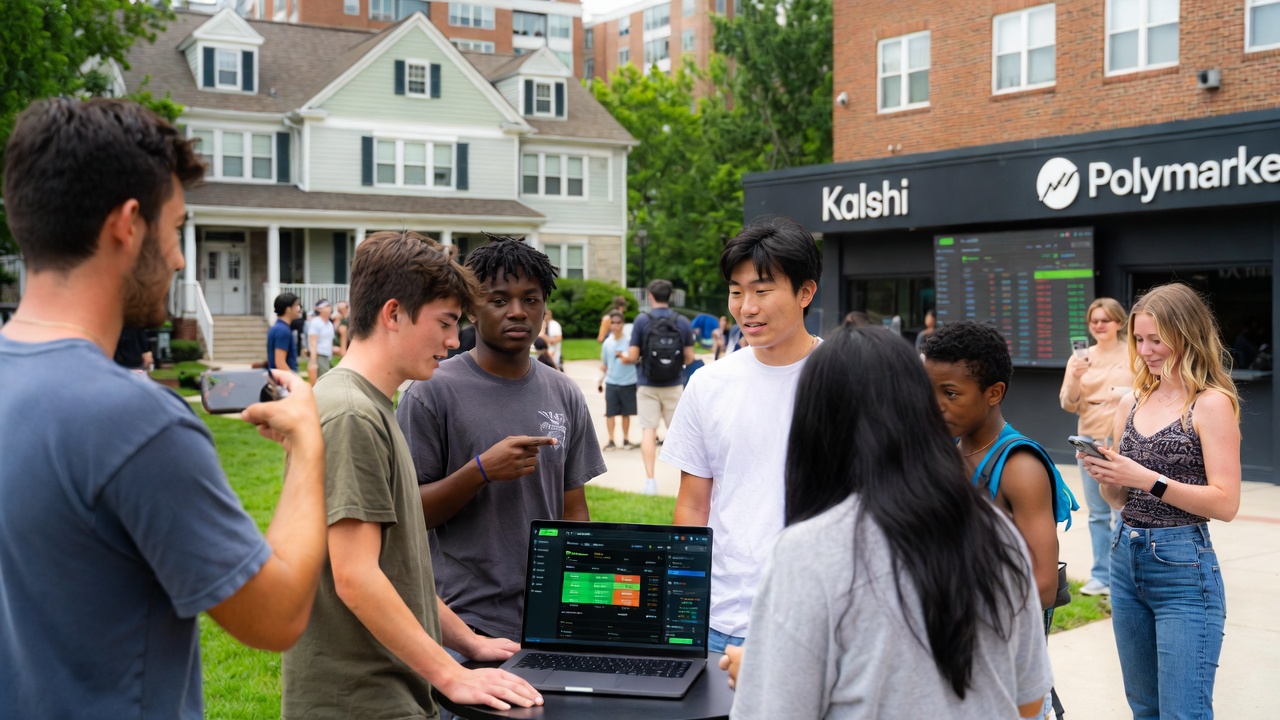
College campuses across the nation witness a surge in betting activity tied to prediction markets. Platforms such as Kalshi and Polymarket drive this trend through targeted investments in social-media influencers and student ambassadors. Students place wagers on campus rumors, transforming dorm rooms into informal trading hubs. Executives from these companies view young adults as a prime demographic for growth. Fraternity events now feature promotional tie-ins that encourage participation in these markets. The strategy aims to build long-term user loyalty among this tech-savvy group.
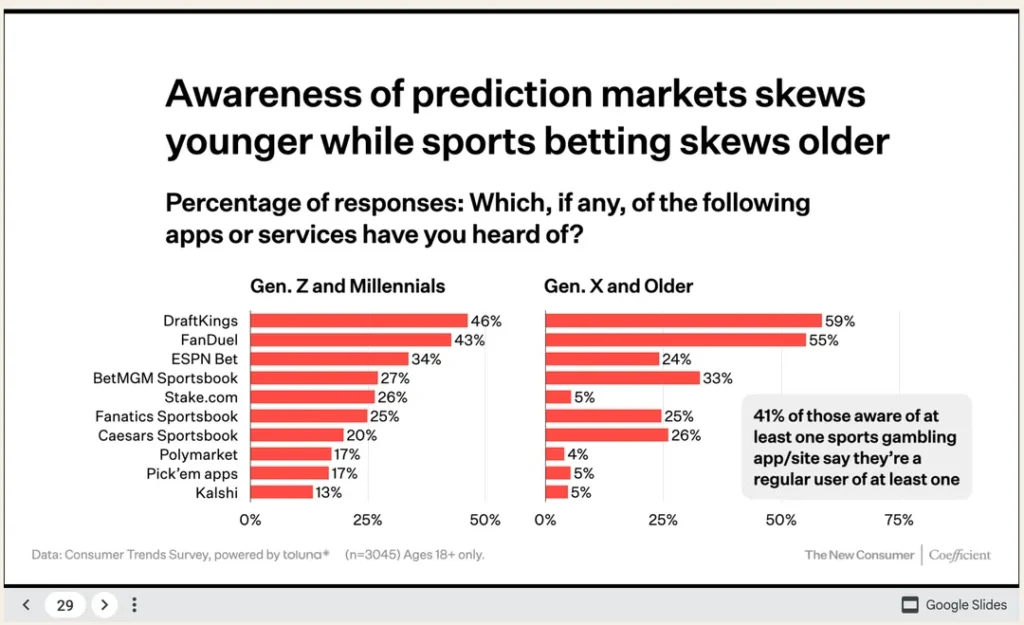
Note that Prediction Markets’ minimum age to play is 18, whereas sports betting is 21 in most states.
Campus Marketing Tactics in Prediction Markets Influencer Deals
Kalshi leads efforts to recruit student ambassadors on prestigious campuses. The platform offers incentives for promoting its services among peers. Sponsorships extend to poker clubs and hedge-fund competitions at universities such as Duke and Yale. Polymarket complements this approach through partnerships with social media stars who appeal to college audiences. Both entities allocate substantial budgets to these initiatives, recognizing the potential for rapid user acquisition. Students respond enthusiastically, drawn by the allure of quick profits from event-based bets.
Read on NY Post: Polymarket paying US-based influencers to promote election betting despite federal ban
Fraternity houses emerge as key venues for these promotional activities. Kalshi and Polymarket sponsor events that integrate betting discussions into social gatherings. Influencers share success stories on platforms like Instagram and TikTok, amplifying reach. This method leverages peer influence to normalize participation in prediction markets. Campus organizations receive funding in exchange for hosting informational sessions. The result creates a network effect where students recruit friends into the ecosystem.
Marketing materials emphasize the excitement of wagering on real-world events. Kalshi’s deleted posts about “Kalshi U” clubs highlight attempts to formalize campus presence. Polymarket focuses on crypto-integrated features to attract digitally native users. Both platforms use data analytics to target advertisements toward college demographics. Student athletes join as promoters, adding credibility within athletic circles. These tactics contribute to a reported boom in youth participation.
Kalshi Polymarket Campus Marketing Strategies Compared
Kalshi positions itself as a regulated option for U.S. users, appealing to those seeking legitimacy. The company integrates with established financial apps to ease student onboarding. Polymarket emphasizes global accessibility and crypto elements, attracting international students to its campuses. Both pursue aggressive growth through influencer networks. Kalshi sponsors academic competitions, while Polymarket partners with viral content creators. This dual approach covers a broad spectrum of student interests.
Investment in campus ambassadors yields measurable results for Kalshi. The platform’s program seeks representatives from top universities to organize events. Polymarket counters with fraternity sponsorships that include prize pools for betting contests. Social media campaigns feature student testimonials to build trust. Executives from both firms express optimism about capturing the next generation of users. The competition intensifies as each platform refines its outreach methods.
Table 1: Key Campus Sponsorships by Prediction Markets
| Platform | Sponsorship Type | University Examples | Investment Focus |
|---|---|---|---|
| Kalshi | Poker Club Prizes | Duke University | Student Ambassadors |
| Kalshi | Hedge Fund Competitions | Yale University | Academic Events |
| Polymarket | Fraternity Partnerships | Various Campuses | Influencer Deals |
| Both | Social Media Promotions | Nationwide | Youth Engagement |
The table illustrates how Kalshi and Polymarket deploy resources across different campus activities. Sponsorships vary in scope but share the goal of increasing user sign-ups. Students benefit from prizes and networking opportunities. Platforms gain visibility through word-of-mouth promotion. This structured approach enhances brand recognition among young adults. Analysts note the effectiveness of these targeted investments.
Student Betting Activity Influencers and Fraternity Partnerships
Influencers play a pivotal role in driving student engagement with prediction markets. College students follow accounts that showcase profitable bets on campus events. Fraternity partnerships provide exclusive access to promotional codes and bonuses. This integration turns social events into opportunities for wagering. Platforms like Kalshi and Polymarket track engagement metrics to refine their strategies.
Student-led initiatives amplify the reach of these deals. Ambassadors organize meetups where peers learn about market mechanics. Social media posts from influencers generate buzz around specific wagers. Fraternities host themed nights centered on live betting. This grassroots-level promotion fosters a community around the platforms. Participation rates climb as students share experiences online.
Critics point to the potential for excessive involvement among impressionable users. Platforms counter by promoting responsible practices in their materials. Influencer content often includes disclaimers about risks. Fraternity leaders negotiate deals that include educational components. The balance between promotion and caution remains a key consideration. Students report mixed experiences, with some viewing it as a learning tool.
Campus Insider Trading Concerns in Prediction Markets
Concerns arise over students using insider knowledge in campus-based bets. Rumors about university events fuel speculative wagers on platforms. Kalshi implements strict policies against such practices, including bans on trades based on non-public information. Polymarket faces similar scrutiny as students attempt to monetize local insights. Regulators monitor these activities for compliance issues.
Platforms investigate suspicious trades to maintain integrity. Students acknowledge the ethical gray areas in some wagers. Faculty members express worries about distractions from academics. Enforcement relies on self-reporting and algorithmic detection. Confirmed cases of insider activity lead to account suspensions. The ongoing debate highlights the challenges of regulating youth-dominated markets.
Legal experts analyze the implications for broader financial regulations. Platforms collaborate with authorities to refine oversight mechanisms. Students receive guidance on ethical trading through campus programs. The focus shifts toward education to prevent misuse. Incidents prompt internal reviews and policy updates. Transparency emerges as a core value in addressing these concerns.
Impact of Influencer Deals on Student Betting Activity
Student participation in prediction markets surges due to influencer endorsements. College demographics show higher engagement rates post-campaign launches. Platforms report increased volume from campus IP addresses. Fraternity members lead in adoption, influencing peers. The strategy proves effective in converting casual interest into active use. Analysts predict sustained growth from this user base.
Economic impacts include small-scale wealth transfers among students. Successful bettors reinvest winnings into further wagers. Losses prompt discussions on financial literacy. Campuses host workshops on risk management. Influencers share strategies. This resource aids students in navigating the landscape.
Social dynamics shift as betting becomes a group activity. Friendships form around shared market analyses. Competition adds excitement to campus life. Platforms capitalize on this by offering group features. The cultural integration deepens with each successful campaign. Students view it as a modern skill set for future careers.
Future Implications of Kalshi Polymarket Campus Marketing
Prediction markets evolve as campus penetration increases. Plans call for expansions into new event categories popular among students. Regulatory bodies consider guidelines specific to youth marketing. Influencer deals set precedents for other fintech sectors. Students gain exposure to financial concepts through participation. This YouTube video explores funding trends supporting this growth:
Competitive pressures drive innovation in user interfaces. Kalshi and Polymarket invest in educational content for campuses. Fraternity partnerships expand to sororities and other groups. Global campuses attract similar strategies from international platforms. Ethical discussions influence corporate policies. Long-term effects on student finances remain under observation.
Industry experts forecast a trillion-dollar opportunity in this space. Platforms like Kalshi and Polymarket lead the charge with campus-focused initiatives. Student feedback shapes product development. Risks prompt calls for balanced approaches. The integration of betting into campus culture persists.
Collaborations with universities emerge as a potential avenue. Platforms offer data for academic research in exchange for access. Influencers evolve into long-term brand ambassadors. Betting activity diversifies beyond politics and sports. The ecosystem matures with increased participation. Challenges and opportunities coexist in this dynamic landscape.
References
- ‘Is This Insider Information?’ The Prediction Market Bets Driving a Campus Frenzy (WSJ)
- How Polymarket, Kalshi Fight Over Traders at College Campuses (MSN)
- Sports Betting Site Kalshi Seeks ‘Ambassadors’ On College Campuses (Gambling Harm)
- Prediction Markets Go Full Frat Bro to Win Over College Kids (TechSnif)
- Kalshi Found Some Insider Traders (Bloomberg)
- College Students and Teens Could Be Fueling the Prediction Markets Boom (CNBC)
- Kalshi Posts Then Deletes Content Encouraging ‘Kalshi U’ Clubs On College Campuses (Next Event Horizon)
- Kalshi and Polymarket Are Each Eyeing Roughly $20 Billion Valuations (WSJ)
- Investors Are Betting Big on ‘Prediction Markets’ Kalshi and Polymarket (GMU)
- Prediction Markets May Have Inadvertently Outed Themselves as Casinos (Prospect)
- WSJ X Post on Prediction Markets Campus Frenzy
- Kylascan X Post on Insider Trading in Prediction Markets
- Kalshi and Polymarket Target Campuses Via Frats and Influencers (YouTube Short)
- VCs Throwing Money at Recent College Grads to Build Prediction Markets (YouTube)