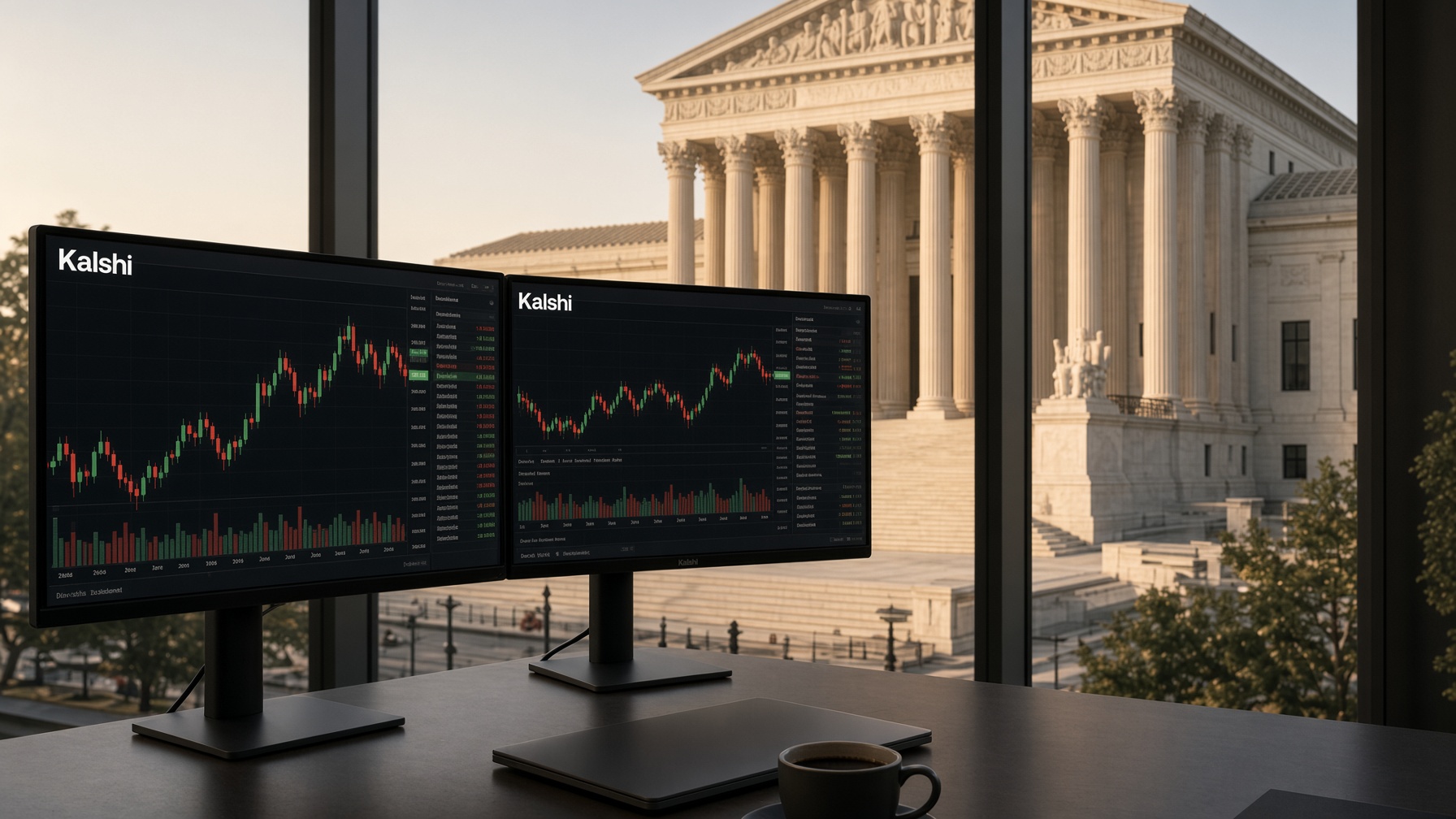

College campuses buzz with a new kind of excitement as fraternities are embracing Polymarket for prediction parties. Students gather in frat houses, placing wagers on everything from sports outcomes to campus events. This trend combines social gatherings with financial speculation, drawing in crowds eager for both fun and potential profits. Platforms reward these groups with sponsorships, fueling elaborate events that blend partying with market trading.
Beer and betting. Frat staples.
The Surge of Prediction Parties Among College Frats
Fraternities across various universities have integrated Polymarket into their social calendars. They host themed nights where members and guests bet on real-time events while enjoying games and refreshments. One fraternity raised over $30,000 in just two weeks through user sign-ups, funding what they called an epic end-of-semester bash. This influx of funds highlights how platforms compete for young users. The appeal lies in the mix of camaraderie and the thrill of accurate predictions.
Student groups form clubs dedicated to these activities, meeting weekly to discuss strategies and share tips. These clubs often receive seed funding from platforms, such as the $20,000 given to a University of Chicago group. Members learn about market dynamics through hands-on experience, turning dorm lounges into informal trading floors. The social aspect keeps engagement high, with fun debates filling the air during sessions.
Branded Fun: Beer Pong Sets and Campus Clubs Spark Engagement
Polymarket provides branded merchandise, such as beer pong sets, to enhance the party atmosphere. Frats use these items during events, turning traditional games into prediction-themed challenges. Participants might wager on the next pong shot while discussing larger market bets. Such promotions help platforms gain traction among students. The branded gear becomes a staple at campus gatherings, symbolizing the fusion of coeds and prediction markets.
Campus clubs expand beyond frats, attracting diverse students interested in economics and current events. These groups organize tournaments in which teams compete for prediction accuracy, with prizes for top performers. Social media influencers on campus promote these clubs, sharing highlights from parties and bets. The lighthearted approach makes complex concepts accessible, encouraging more participation.
Events often feature guest speakers from the platforms, who explain features and offer exclusive deals. Attendees sign up on the spot, boosting user numbers while enjoying free food and drinks. This strategy creates a viral effect, as participants share experiences online.
Lighthearted Bets on Campus Life and Dorm Drama
Students place wagers on everyday campus events, adding humorous moments to routine college life. Bets might include whether a popular professor will cancel class or if a campus event will draw a certain-sized crowd. Dorm drama becomes a favorite topic, with predictions on roommate conflicts or hall pranks. These low-stakes bets keep the mood playful, fostering bonds among residents.
One group bet on the outcome of a dorm talent show, turning it into a lively spectacle. Winners celebrated with group outings. Platforms encourage such creativity by introducing users to the system with minimal risk. Obviously, they also inculcate college students into prediction market adoption.
Examples of Popular Campus Bets
| Bet Category | Example | Typical Stakes | Outcome Resolution |
|---|---|---|---|
| Sports Events | College Basketball Game Winner | Low to Medium | Official Scores |
| Campus Events | Attendance at Frat Party | Low | Head Count |
| Dorm Drama | Resolution of Roommate Dispute | Fun Only | Group Vote |
| Academic Outcomes | Professor’s Quiz Difficulty | Low | Student Feedback |
The Probe into Insider Trades on Dorm Drama
Concerns arise as some groups face investigations into the use of insider knowledge in bets. A fraternity came under scrutiny after allegedly betting on celebrity appearances using privileged information. Reports detail how students might leverage connections for an edge. Platforms enforce rules against such practices, but enforcement challenges persist.
Dorm drama bets sometimes cross lines when participants use personal insights unfairly. One probe examined wagers on hall elections, in which insiders reportedly influenced the outcomes. Authorities emphasize fair play, warning that violations could lead to account suspensions.
Platforms respond by enhancing monitoring tools to detect suspicious patterns. They educate users on policies during campus visits. Despite issues, most activities remain harmless, focused on enjoyment rather than exploitation.
Some may call this grooming. Every reader can be their own judge.
Insights from Experts and Media Coverage
Analysts note the rapid growth of these platforms among young adults. Comparisons between platforms highlight differences in user experiences. Media outlets cover the trend, pointing to both opportunities and risks. Influencers share strategies, amplifying reach.
Regulatory bodies monitor developments, ensuring compliance with laws. Celebrity involvement in platforms raises similar ethical questions. Campuses adapt policies to address potential gambling concerns.
Future Prospects for Campus Prediction Trends
The trend shows no signs of slowing, with more clubs forming each semester. Students gain skills in analysis and risk assessment through participation. Platforms continue investments, seeing long-term value in early adopters. Challenges like probes serve as lessons, refining practices.
Community feedback shapes platform updates, improving user safety. Frats plan larger events and incorporate feedback from past parties. The blend of social and speculative elements keeps interest alive. Observers predict sustained growth, driven by youthful enthusiasm.
References
- Is This Insider Information? The Prediction Market Bets Driving a Campus Frenzy
- ‘We Know This Shouldn’t Be Allowed’: How Polymarket, Kalshi Fight Over Traders At College Campuses
- Kalshi Sent a Bizarre Message to Underage Streamer
- The wildest frat party on campus? Prediction markets.
- Concerns Grow over ‘Prediction Market’ Online Betting Platforms
- The wildest frat party on campus? Prediction markets.
- The wildest frat party on campus? Prediction markets.
- Prediction Markets Go Full Frat Bro to Win Over College Kids
- If you missed it last night, one of the best pieces…
- ‘Is This Insider Information?’ The Prediction Market Bets…
- New Trick, Same Crime? Insider Trading on Prediction Markets
- Explainer: Insider Trading and Prediction Markets
- How insider-trading fears harm prediction markets
- Prediction Markets Face Insider Trading Scrutiny After…
- Kalshi suspends users for violating its policy on “insider…
- Kalshi vs Polymarket: Key Differences, Pros, Cons…
- Giannis Antetokounmpo Joins Kalshi Amid Uproar
- Prediction markets are hitting college campuses to find gamblers
- VCs Are Throwing Money At Recent College Grads To Build Prediction Markets