By the time you read this article, this arbitrage opportunity across Kalshi and Polymarket will likely be gone. But understand these opportunities arise fairly regularly, though rarely of this magnitude.
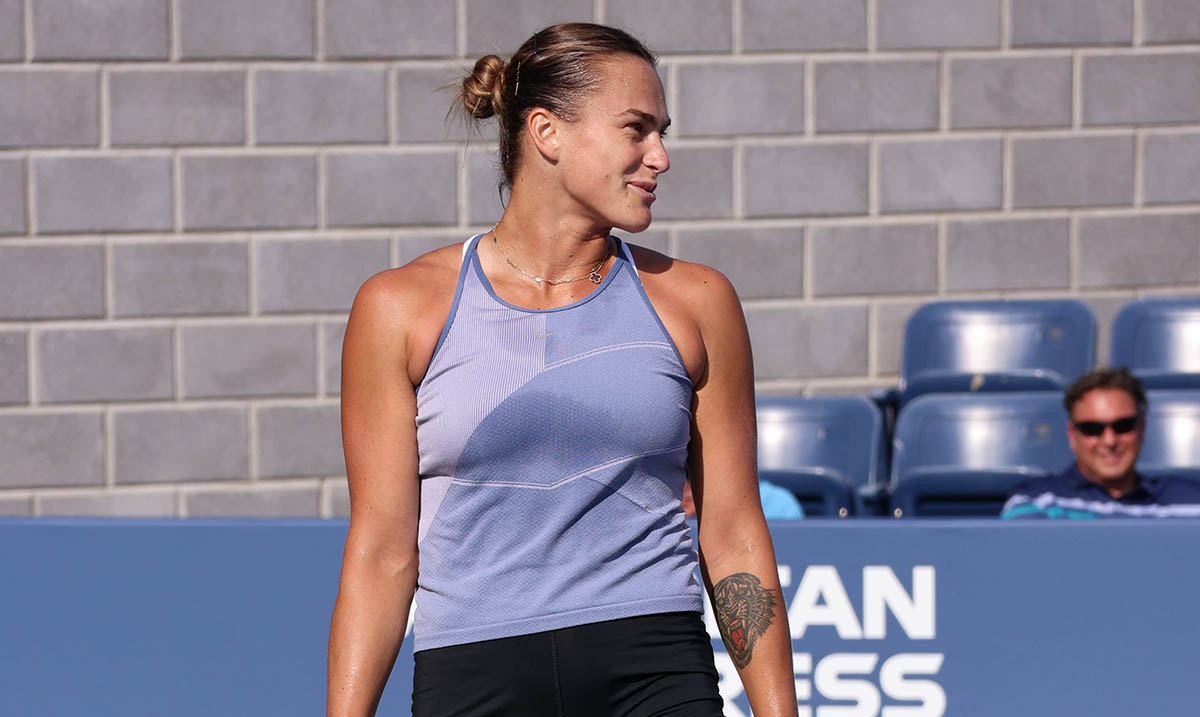
A Friday social media alert claimed Aryna Sabalenka’s price to win the 2026 women’s singles title was 28¢ on one book and 56¢ on another. The post put the fee-adjusted edge at 25.57¢, or $25,574 on a $100,000 two-sided book. Traders watching both tapes treated that screenshot as an arbitrage opportunity clock.
The tennis field had already shrunk to two. Elena Rybakina rallied past Coco Gauff, and Sabalenka beat Jessica Pegula, locking Saturday’s final. Once only two players remain in the finals, an overall tournament-winner share on one platform should track a lone finals match-winner share on the other. When those prints diverge, money starts moving toward the easy-money opportunity.
Live boards tell a messier story than one tweet. After the semifinals, Kalshi’s US Open Women’s Singles Winner contract showed Sabalenka near 58¢ and Rybakina near 42¢, with more than $6.9 million in volume. That differs from the 28¢ print in the alert, which is why desks kept asking whether the cheap ticket was stale, thin, or tied to a different listing.
Polymarket’s year-long 2026 Women’s US Open Winner market has carried more than $6.6 million in volume, with Sabalenka leading for months. A two-handle gap between venues is still not a rounding error. The trade lasts only as long as both books have liquidity to handle these maneuvers.
Why the title prices refused to match
Grand Slam weeks scramble tennis trading because the products are not twins. One venue lists a multi-event/match tournament winner. Another lists a head-to-head final. Ostensibly, we are discussing the very same match to determine the winner for both markets. But fees, settlement clocks, and each book’s access pull the same player toward different win-probability pricing.
Rybakina beat Gauff 3-6, 6-4, 6-4; Sabalenka beat Pegula 7-5, 6-2. Sabalenka is one win from a third straight title, a run last finished by Serena Williams from 2012 to 2014. Rybakina can stop that streak and already owns the incoming world No. 1 ranking after ending Sabalenka’s 99-week stay on top.
Kalshi also lists the match. The Sabalenka vs Rybakina final market sat near 56% and 44% on Friday, with set-score and totals lanes beside it. If the title contract and the match contract disagree by more than fees, the second leg of the arb is sitting in the same house, alone, what exists across trading venues.
Buy the cheap yes, sell the rich yes, and hope the second fill is still there. In slam finals, size disappears first.

How the two tapes got so far apart
Kalshi spent August telling a deeper-field story. Late-August, pre-tournament, Sabalenka was near 23% in a 128-player draw, according to Kalshi’s pre-tournament odds piece. That price was simple math, not disrespect. Seven matches and injury risk is a long journey for even the tournament favorite.
By the final four, we had Sabalenka at 38%, with Gauff and Rybakina sharing 25% and Pegula at 13% on the Kalshi women’s winner board. Two semifinal matches later, the board had to pick a side. Polymarket never needed that four-player snapshot to keep Sabalenka on top, which also means its tape can lag when the draw collapses overnight.
Covers tennis writer Phil Naessens put Saturday at 56% Sabalenka, citing a 10-7 head-to-head edge and a 40-5 hard-court mark over the last 52 weeks. That handicap lands on the same number as Kalshi’s match contract. It makes a still-live 28¢ title print look even stranger.
Some of the split is market mechanics. Kalshi is the event’s official prediction market partner under a multi-year USTA deal. Official inventory and dollar settlement do not guarantee a tighter price. They do guarantee a different trading crowd.
The harvest is smaller than the screenshot
The clean trade is ugly in practice. You need two accounts, two margin models, and the stomach to hold leftover risk if one book locks or reads a retirement rule differently. Title contracts pay the champion. Match contracts pay the winner after a ball is played. Those sentences sound identical until a stoppage rumor hits the chat.
Fee-adjusted edge sold the alert. A raw 28¢-versus-56¢ spread looks like free money. After taker fees, spread width, and a one-leg fill, the edge shrinks. PredictX still called 25.57¢ after costs, which is enormous in a slam market, and that’s why traders immediately stress-tested the print, moved in to eat the arbitrage proceeds, and closed the gap. Unlike sports betting, where you’re locked into positions from the time of the bet, sports event contracts and their always-open trading throughout the sporting event create these market opportunities throughout the entire process. You can not sleep on your positions once acquired.
Gauff and Pegula: yes shares are dead. Sabalenka and Rybakina: yes shares are now Saturday proxies. That conversion is where volume spikes, and where a lagging venue becomes a target.

Saturday settles the cents
Sabalenka’s case is pure muscle memory: four straight finals here, no loss at the event since 2023.
Rybakina’s case is the season. She beat Sabalenka in the Australian Open final, walks in as the new No. 1, and already solved Gauff from a set down.
Head-to-head history won’t decide a forecast. They have split recent slam finals. Sabalenka won Miami this year. Rybakina owns Melbourne. Hard-court dominance ratios favor Sabalenka. First-strike serving nights favor Rybakina.
The official preview desk is already walking viewers through patterns instead of prices, which will pull casual flow into the same contracts the arb desks are currently mining.
Kalshi verifies the tournament winner from Fox Sports, WTA, and ESPN listings. The match contract cites the WTA after a ball is played. Polymarket points to official tournament results first. Those sources should agree on a completed final. They are not guaranteed to agree on a messy stoppage for whatever reason.
If Sabalenka wins, the cheap yes looks brilliant. If Rybakina wins, the 58¢ favorite looks late. Until the first hold, traders will keep watching three prints at once: Sabalenka to lift the trophy, Sabalenka to win the match, and Rybakina’s mirrored no. When those lines finally meet, the arb story is over. That may be the case already if you check now.
References
- PredictX arb alert on Sabalenka title prices
- Kalshi US Open Women’s Singles Winner market
- Polymarket 2026 Women’s US Open Winner market
- Reuters: Rybakina and Sabalenka reach the final
- Kalshi Sabalenka vs Rybakina final market
- Kalshi pre-tournament women’s odds note
- Sports Illustrated Kalshi semifinal board
- Covers: Sabalenka vs Rybakina final preview
- Sports Handle on Kalshi’s official partnership
- ESPN: Rybakina ends Gauff’s run
- US Open: Sabalenka reaches the final
- US Open: Sabalenka vs Rybakina match preview