
Our last dozen stories involving America’s tribal nations have involved lawsuits trying to stop prediction markets from operating on their native lands. And now, today, a big turn: one casino-owning tribe announced it is launching its own prediction market app.
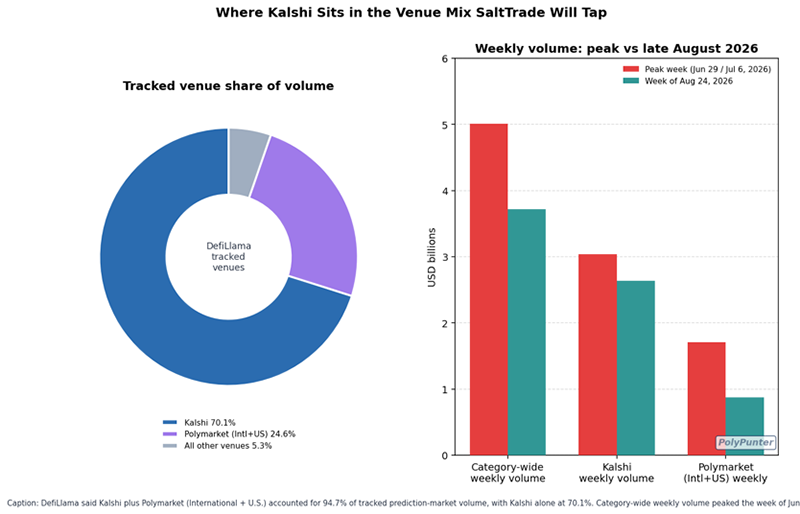
The Tunica-Biloxi Tribe of Louisiana is entering event-contract trading as an owner. On Friday, it announced SaltTrade Derivatives, a tribally owned venture that will run the first tribal nation prediction market app. The platform will send orders onto Kalshi’s designated contract market. Chairman and CEO Marshall Pierite cast the move as self-determination: build a tribal branded front end instead of watching volume accrue elsewhere. The announcement arrived one day after federal staff widened the path for software that never holds customer funds, but merely directs traders to markets.
Thursday’s CFTC staff letter made it easier to wrap a regulated exchange in a third-party app. Friday’s launch put a tribal name on that wrap. Traders will not get a new contract matching engine. They will get new access into Kalshi’s existing book, with SaltTrade sitting in the middle as owner of the interface.
What SaltTrade Derivatives Will Offer
The tribe’s Business Wire announcement on Morningstar says the app will let traders buy and sell event contracts that settle under Kalshi’s rules. SaltTrade says it is designing the product around access, transparency, and oversight drawn from other tribal commercial ventures. The Tunica-Biloxi tribe operates a casino property in Louisiana.
Pierite’s public essay, “Sovereignty Includes the Power to Build What Comes Next,” treats the app as policy, not just software. He argues for the bigger picture: sovereignty has to mean more than defending industries a nation already runs. Pierite concedes that other tribal governments and some states worry sports-linked contracts collide with gaming law. He is launching anyway to take ownership in this new sector rather than merely fighting it, and he is inviting other nations to copy the ownership model.
The company name points backward on purpose. SaltTrade Derivatives is a nod to the historic salt commerce that once funded Tunica-Biloxi prosperity.
Kalshi CEO Tarek Mansour used the launch to reject a zero-sum pitch. “Indian Country should have more paths to economic self-determination, not fewer,” he said, arguing that regulated national infrastructure and tribal entrepreneurship can grow at the same time. What do you make of this comment from a CEO who is currently battling lawsuits from other tribal nations?
The CFTC Letter That Opened the Door
The legal hinge is CFTC Press Release 9300-26. Staff said Letter 26-25 extends a March position once granted to a single wallet developer and now offers similar relief more broadly. The Market Participants Division will not recommend action against a qualifying passive software provider for failing to register as an introducing broker or associated person.
CFTC Letter No. 26-25 sets the limits. The third-party software may display market data, positions, and product information. It may take an affiliate fee as a revenue share or a transaction-based fee. It may not hold assets, generate buy or sell signals, or control how trades are filled. Orders must go to registered futures commission merchants, introducing brokers, or designated contract markets. The staff position lasts until the Commission issues a rule or guidance. Staff policy can be withdrawn.
That split is the tribal political risk. A front end can widen who within tribal casino areas sees Kalshi markets. It does not settle Native American compact law. SaltTrade is betting that owning the interface beats only litigating against it.
A Launch That Cuts Against Other Tribal Cases
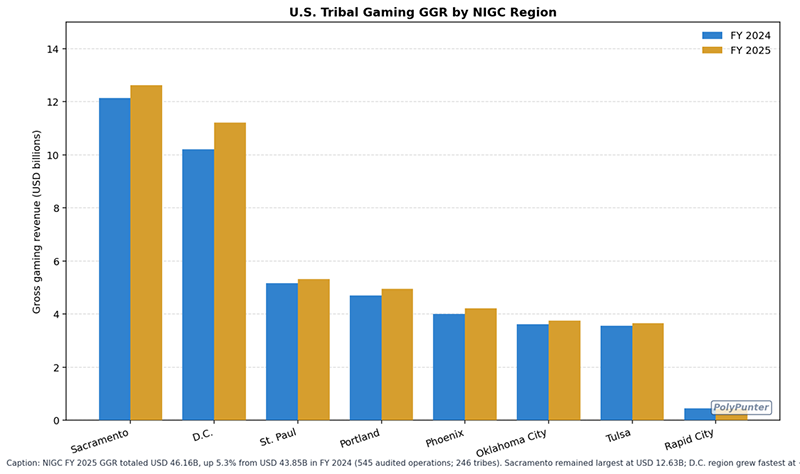
Several tribal governments have argued that sports event contracts entered into from tribal land are Class III gaming and break exclusivity in state-tribal compacts. Several ongoing lawsuits cover this argument and seek to ban Kalshi and others from operating within tribal territories.
Tunica-Biloxi is running the opposite play. If event contracts will trade under federal derivatives rules, it wants a slice of the software layer and the customer relationship. A nation of about 1,600 members will not rewrite compact law alone. It does change who sits on the distribution side of the table and creates a first-mover situation for Tunica-Biloxi. Will it be an advantage, remains to be seen.
Kalshi is treating the deal as a flagship story. Its company news index already lists “Tunica-Biloxi Launches First Tribal Prediction Market App.” That visibility will draw ire from compact counsel, state gaming boards, and rival operators who have spent months drawing lines between event contracts and sportsbooks. The battle only continues.
What Comes Next for Traders and Other Nations
Three tests will decide whether SaltTrade is a template with the rein now to offer a branded front-end to Kalshi. First, when does the app onboard traders, and which contract classes appear first? Sports, elections, weather, and macro markets all live on Kalshi; the tribal brand will have to choose what it wants attached to its name. Second, how tightly will SaltTrade stay inside the passive-software box? Fee sharing is allowed. Custody, advice, and execution control are not. Third, will other tribal enterprises ask Kalshi for similar wraps now that staff relief is general rather than one-off?
Revenue design will be watched just as closely. Event-contract venues typically take disclosed trading fees rather than a hidden house edge as with sportsbooks. If SaltTrade’s economics rest on a share of those fees, tribal upside scales with volume, not with traders losing. That is Pierite’s pitch to nations that fear the category siphons money from compact gaming: own a slice of the pipe.
Legal risk remains. Legal rulings in federal circuit courts and future changes or clarifications by the CFTC could upend this product bsinesss model. A CFTC no-action letter is not a statute. SaltTrade is launching into that uncertainty as a software owner, not as a plaintiff asking a court to shut the category down. For traders, the change may feel like another branded door. For Tunica-Biloxi, it is a claim on the distribution layer. Whether that claim spreads depends on who copies it versus who keeps fighting it.
References
1. Tunica-Biloxi Tribe Launches the First Tribal Nation Prediction Market App — Morningstar / Business Wire
2. Sovereignty Includes the Power to Build What Comes Next — Tunica-Biloxi Tribe
3. Tunica-Biloxi Tribe Launches the First Tribal Nation Prediction Market App — Yahoo Finance / Business Wire
4. CFTC Staff Issues No-Action Position to Providers of Passive Software — CFTC Release 9300-26
5. CFTC Letter No. 26-25 (Passive Software Providers)
7. Geoff Zochodne on X
8. Tunica-Biloxi Tribe of Louisiana to launch prediction-market app powered by Kalshi — CDC Gaming
9. Tribal Gaming Gains Ground in Prediction Market Fight — Gambling Insider
10. Kalshi News index