

Why Prediction Markets Are Mispricing Parlays – The Correlation Blind Spot
A simple framework for you to find an edge in prediction market parlays and why most retail traders are mis-pricing them.
A simple framework for you to find an edge in prediction market parlays and why most retail traders are mis-pricing them.

A derivative market formed about the odds of this primary market at a certain market and time: Will the Yes odds for “Jesus Christ Return Before 2027 reach 5% of higher on February 17th between 12 AM and 1 AM?” This highly specific, derivative prediction attracted $665,000 in volume.
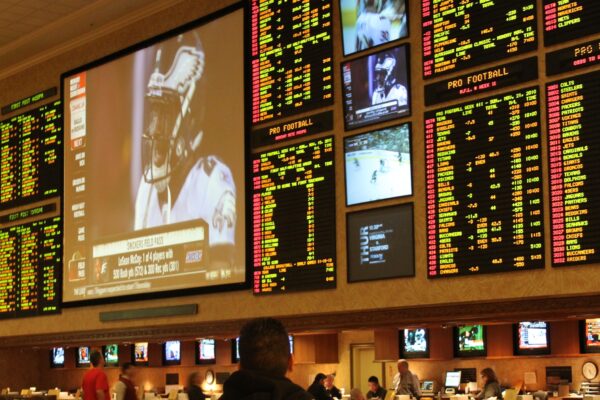
The CFTC perhaps unexpectedly filed a friends of the court brief on behalf of Crypto.com in their appeal over a Nevada case that has barred them from allowing sports event prediction market speculating in Nevada.
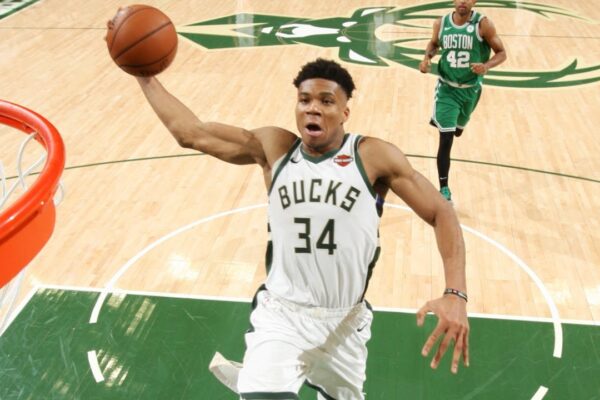
Much to the angst of many sports media commentators, one of the most recent event prediction outcomes on Kalshi was Antetokounmpo’s own fate leading up to the NBA trading deadline.
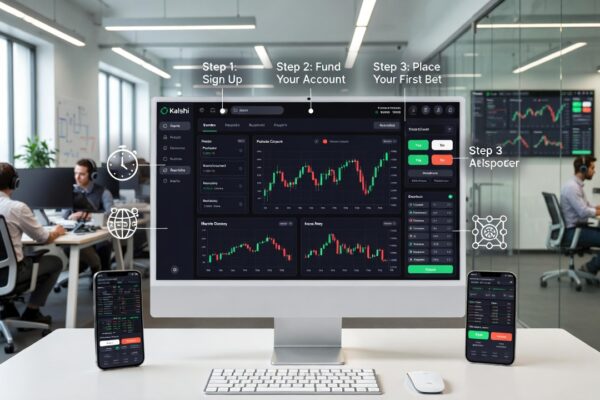
Kalshi is a federally regulated prediction market exchange where you can trade on the outcomes of real-world events, from elections and sports to weather and economic indicators. Unlike traditional betting sites, Kalshi allows you to buy and sell “event contracts” that represent probabilities, making it a unique blend of forecasting and financial trading.
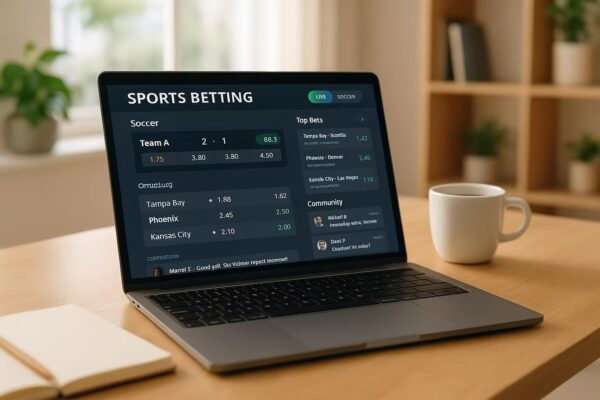
Sports betting on prediction markets like Kalshi and Polymarket involves trading event contracts on outcomes, differing from traditional fixed-odds wagers by offering dynamic, peer-driven probabilities. Amid legal controversies, they’re disrupting the $16 billion industry with nationwide access and lower fees.

Prediction markets blend finance and forecasting, allowing trades on events like elections or disasters. While they aggregate crowd wisdom for accurate predictions, ethical issues arise: profiting from tragedies, insider trading, and manipulation incentives. Case studies reveal crossed lines, urging regulated, responsible use.
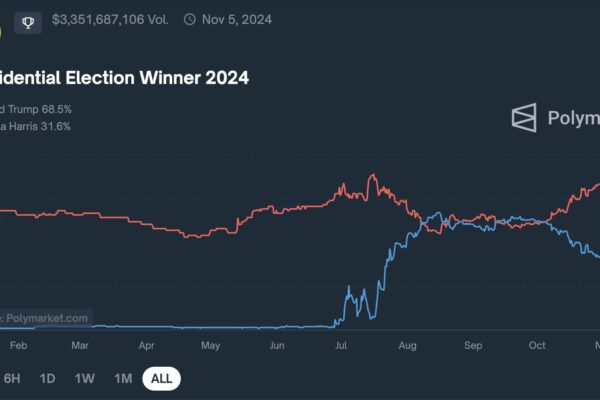
In the high-stakes world of U.S. presidential elections, accurate forecasting is paramount for voters, campaigns, and analysts alike. While traditional opinion polls have long been the go-to method for gauging public sentiment, prediction markets have emerged as a powerful alternative, often demonstrating superior accuracy.
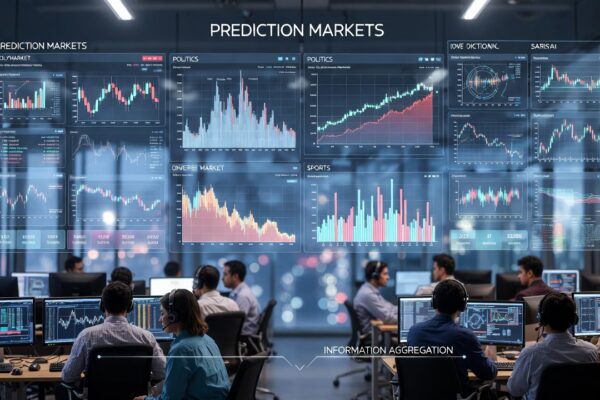
We’ll help you understand not just the “how” but also the “why” behind prediction markets’ effectiveness, backed by historical context, mathematical insights, and current examples like Polymarket and the Iowa Electronic Markets (IEM).

The rise of prediction platforms has highlighted vulnerabilities to manipulation, where bad actors attempt to distort prices for personal gain, misinformation, or influence.