Prediction markets, also known as event markets or betting platforms, allow participants to wager on the outcomes of future events, ranging from political elections to sports results and economic indicators. In the United States, platforms like PredictIt, Kalshi, and even offshore ones like Polymarket (which U.S. users sometimes access despite restrictions) have gained popularity for their ability to aggregate collective wisdom into probabilistic forecasts. These markets operate by letting users buy and sell contracts that pay out based on whether an event occurs, with prices reflecting the crowd’s perceived likelihood of the outcome. For instance, a contract trading at 60 cents implies a 60% chance of the event happening.
However, the rise of these platforms has highlighted vulnerabilities to manipulation, where bad actors attempt to distort prices for personal gain, misinformation, or influence. This article delves into the ways manipulation occurs, the methods employed, the exposed weaknesses in platforms, real-world examples, and crucially, the mechanisms for detection and prevention. By understanding these elements, stakeholders can better safeguard the integrity of prediction markets, ensuring they remain reliable tools for forecasting rather than vehicles for deceit.
Ways People Can Manipulate Prediction Market Events
Manipulation in prediction markets involves deliberately altering prices to mislead participants or achieve unfair advantages. Common tactics include large-scale betting by “whales” (high-budget traders), insider trading, wash trading, and coordinated actions. Whales can place massive bets to shift odds dramatically, creating artificial momentum that influences public perception. For example, a sudden influx of funds on an unlikely outcome can mimic genuine market sentiment, prompting others to follow suit in a herding effect.
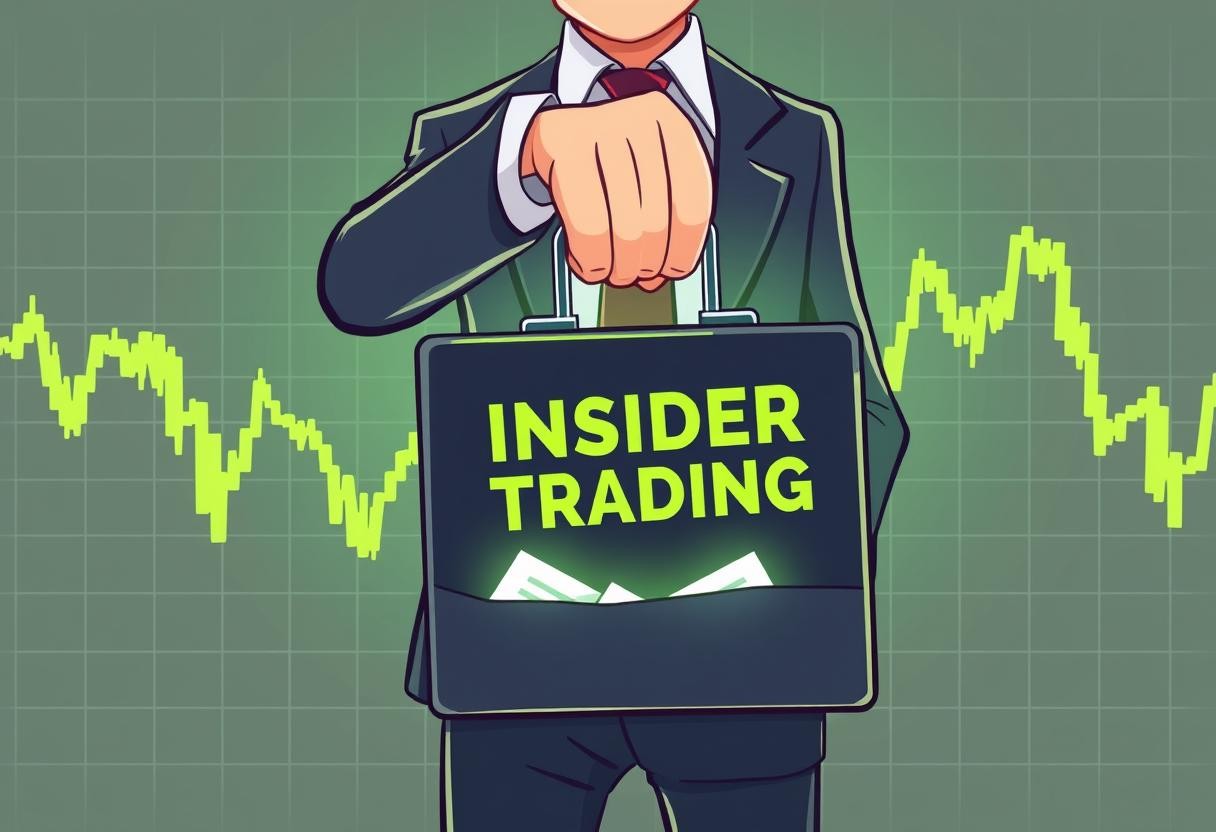
Insider trading occurs when individuals with non-public information bet accordingly, exploiting asymmetries. This is particularly risky in events with limited influencers, like political decisions or corporate announcements. Wash trading, where traders buy and sell contracts to themselves to inflate volume, creates the illusion of high activity and liquidity, attracting more participants. Coordinated actions, such as groups using multiple accounts (Sybil attacks), amplify these effects, making manipulation harder to detect.
Another method is “pump-and-dump,” where manipulators inflate prices through aggressive buying, then sell off once others join, profiting from the distortion. These tactics not only skew probabilities but can also influence real-world behaviors, such as policy decisions based on manipulated forecasts.
How Manipulators Execute These Tactics
Execution often begins with identifying low-liquidity markets, where small trades can cause big swings. Manipulators use anonymous accounts or offshore platforms to place bets without scrutiny. For insider trading, they act just before public announcements, capitalizing on timing. Tools like bots automate wash trading, simulating organic activity.
In coordinated efforts, social media amplifies signals, encouraging herd behavior. Whales might split bets across accounts to avoid detection, gradually building positions. Once prices shift, they exit, leaving others with losses. These methods exploit the platforms’ reliance on user-driven pricing, turning collective intelligence against itself.
Weaknesses in Prediction Platforms Exposed by Manipulation
Prediction platforms’ design inherently exposes weaknesses. Low liquidity is a primary issue: thinly traded markets allow single large bets to distort prices significantly. Without deep order books, prices don’t reflect a broad consensus but rather the actions of a few.
Anonymous or pseudonymous trading, especially on blockchain-based platforms like Polymarket, facilitates insider abuse and wash trading. Regulatory gaps exacerbate this; while Kalshi is CFTC-regulated, others operate in gray areas, lacking robust KYC/AML checks.
Behavioral biases, such as herding and slow learning, amplify distortions. Traders may follow manipulated prices, assuming they represent new information, prolonging inaccuracies. Oracle dependencies for outcome resolution introduce risks; if oracles are centralized, they’re vulnerable to tampering.
Platform-specific limits, like PredictIt’s $850 cap per contract, aim to mitigate but can be circumvented via multiple accounts. Overall, these weaknesses undermine the markets’ efficiency, turning them into potential tools for misinformation.
| Weakness | Description | Exposed Platforms |
|---|---|---|
| Low Liquidity | Thin trading volumes allow small bets to cause large price swings. | PredictIt, Kalshi (early markets) |
| Anonymous Trading | Lack of identity verification enables insider and wash trading. | Polymarket (offshore) |
| Behavioral Biases | Herding and overreaction to manipulated signals. | All platforms |
| Regulatory Gaps | Inconsistent oversight leads to unchecked activities. | PredictIt (academic exemption) |
| Oracle Vulnerabilities | Dependence on external data sources prone to manipulation. | Decentralized platforms |
Mechanisms for Detecting Manipulation
Detecting manipulation requires sophisticated surveillance. Platforms monitor unusual trading patterns, such as sudden volume spikes or large bets from new accounts. Aggregating data from order books, funding sources, and external indicators helps identify anomalies.
Machine learning models analyze historical data to flag manipulative behaviors, like wash trading patterns or correlated accounts. Time-series analysis detects price distortions inconsistent with fundamentals.
Regulatory bodies like the CFTC enforce rules against spoofing and wash trading, using cross-market surveillance. Blockchain transparency aids in tracing suspicious transactions. Community reporting and whistleblower programs supplement automated systems.
Advanced techniques include agent-based modeling to simulate manipulative scenarios and test detection efficacy. Integrating social media monitoring catches coordinated campaigns.
Real-World Detection Examples
In practice, Polymarket identified a $45 million Trump bet as potential manipulation, investigating the French trader. Kalshi uses IC360 for sports integrity, flagging insider risks.
Mechanisms for Preventing Manipulation
Prevention starts with design. Automated market makers like LMSR provide liquidity subsidies, making large distortions expensive. Position limits, as in Kalshi’s contract-specific caps, curb whale influence.
Regulatory compliance, including KYC/AML, deters anonymous abuse. Decentralized oracles and community voting ensure fair resolutions. Bounded trade sizes and random opening times prevent pump-and-dump.
Educating users on biases and requiring disclosures for insiders builds resilience. Platforms can implement circuit breakers to halt trading during anomalies.
| Platform | Key Prevention Features |
|---|---|
| Kalshi | CFTC regulation, position limits, KYC, surveillance partnerships. |
| PredictIt | $850 bet cap, academic oversight, limited markets. |
| Polymarket | Blockchain transparency, decentralized oracles, but U.S. restrictions. |
Real-World Examples of Potential Manipulation
Several incidents illustrate manipulation risks. In 2024, a French trader placed $45 million on Trump via Polymarket, temporarily boosting his odds, raising manipulation concerns. Investigations revealed wash trading accounting for 30-60% of volume.
Before Venezuela’s Maduro’s ousting, a trader profited $500,000 on insider info. A Nobel Peace Prize bet surged suspiciously before the announcement, prompting probes.
On Kalshi, a White House briefing ended abruptly at 64:30, avoiding a 65-minute threshold bet, suggesting timing manipulation. Sports markets faced cease-and-desist orders for resembling unregulated gambling.
These cases highlight how manipulation can distort perceptions, influence events, and erode trust, emphasizing the need for robust safeguards.
Conclusion
While prediction markets offer valuable insights, manipulation threats demand vigilant detection and prevention. Through advanced surveillance, regulatory frameworks, and innovative designs, U.S. platforms can enhance integrity. As these markets evolve, balancing innovation with security will ensure they fulfill their promise as unbiased forecasters.

The PolyPunter staff works tirelessly to bring you the latest and most insightful news, information, and tips on the fast-growing economic, financial, and social phenomenon that is prediction markets.


