The Commodities Futures Trading Commission (CFTC) has filed an amicus brief (an unofficial brief contributed by an outside, but related body with an interest in a case) on behalf of Crypto.com. Crypto.com is seeking relief from the Ninth Circuit Court of Appeals on a federal ruling in favor of Nevada regulators last year that forced it to cease sports-related prediction market activity in Nevada. While the arguments in the case basically hinged on very technical arguments over the meaning of a “swap,” basically, Nevada regulators claimed that prediction market event trading in sports was tantamount to sports betting, not commodity trading. For sports betting, you need to be licensed through the Nevada Gaming Commission, as any sportsbook would. The 9th Circuit is now hearing this matter.
This legal matter represents a growing number of legal battles between state gaming regulators and the prediction market platforms, especially as they have moved into trading contracts on sports event outcomes. These state sports betting bodies are relatively new, as sports betting only became legally available to all 50 states as of 2018, though only 30-33 states have chosen to legalize various forms of sports betting since that time. Now these states are seeing their population increasingly wagering money on prediction market platforms like Polymarket, Kalshi, and Crypto.com, and stressing that they, not the CFTC, have the right to regulate it as they do sportsbooks. For its part, the CFTC continues to lay claim to having federal regulatory control over all prediction market trading.
As a precursor to filing the amicus brief on behalf of Crypto.com, CFTC Chairman Michael Selig published an op-ed in the Wall Street Journal defending the primacy of his agency over individual state agencies in controlling prediction markets in their states.
Selig essentially makes two points. First, the CFTC was given authority by Congress to oversee prediction markets as part of its general supervision of all things commodity futures trading. And that the CFTC has done so since the early 1990’s with event prediction markets. Second, prediction markets in general provide a hedge for investors against risk and provide a beneficial channel for aggregating market information. In short, prediction markets are ours, and they serve a valuable national function.
The CFTC has this same purview interest in multiple cases pending around the country between various state authorities and all of the major prediction market platforms: Kalsihi, Polymarket, Robinhood, and more. They chose this Nevada/Crypto.com cases to begin to assert their interests, though it’s unclear why. There are numerous possibilities, including the fact that they may see this as a likely win from which to advance more confidently in the remaining cases. It could also be related to Nevada being the longest-standing and most notable gambling state in the nation, having legalized all gambling in 1931 to combat the Depression. Or it may simply be that the specific arguments in this case will form their preferred narrative for the CFTC moving forward. In either case, they obviously see this as a strong test case for their federal authority.
While the CFTC may see this case as one of federal supremacy over commodity exchanges, state regulators and others will certainly recite the refrain, “How the heck is predicting the outcome of sporting events with money on the line a commodity?” The answer to that question is often one of technical grounds versus common sense.
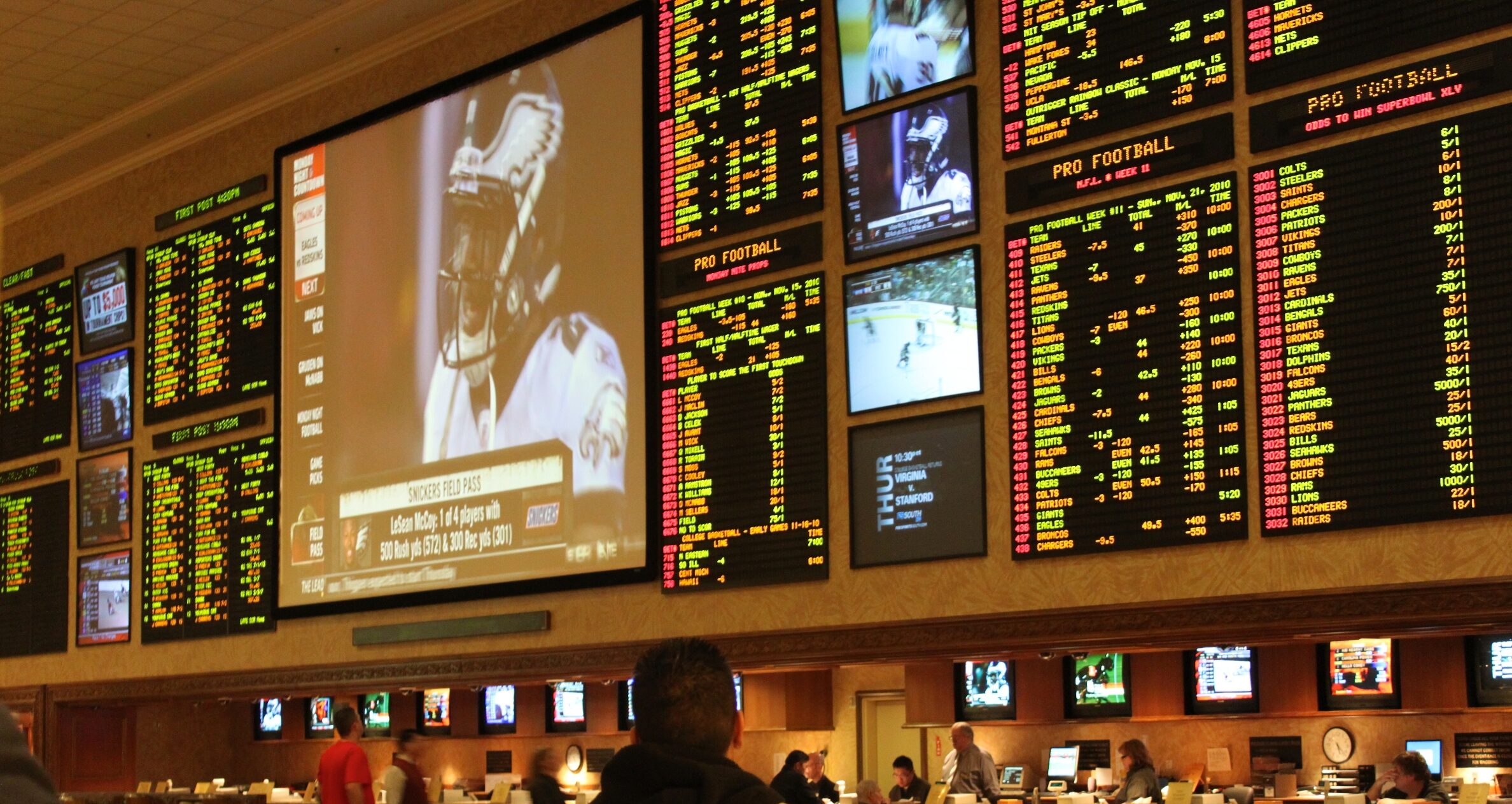
The CFTC argues on technical grounds with its rather broad definition of “commodities”. Anybody who’s seen the 1983 hit comedy, Trading Places, may think of commodities more likely as Orange Juice and Pork Bellies, and trading on the future prices of these common food products. The prediction markets have asserted that they also trade in the predicted future value of certain events. On that generic level, it’s hard to deny their technical similarity. When you get into the practical matter of investing $50 on which team will win the Super Bowl, it’s harder to see how that process isn’t sports betting in the same manner as Draft Kings, Fan Duel, or Nevada sportsbooks in their casinos.
You expect these matters to be adjudicated strictly in the legal reasoning sphere. But there’s no denying the financial implications of prediction markets stepping into and onto the arena of sports betting and gambling. Legalized sports betting platforms handled over $150 billion in wagers in 2024, from which they generated $13.6 billion in proceeds. The money Americans gamble is a somewhat fixed pie. While more legalized and online forms of wagering may increase total participation, ultimately, you are still looking at a fight between various gaming platforms for those betting dollars.
Our Super Bowl $50 is a perfect example. A person wishing to make that bet is going to pick a single platform for that bet. If it’s Polymarket, then it won’t be FanDuel. And behind the nascent sports betting apps, there are legacy sportsbooks that used to handle these bets and tribal gaming across the nation that have benefited from legal gambling in many forms for decades. Prediction markets specifically entering the sports wagering market are a massive threat to many existing parties. And those parties donate to politicians and have large legal teams themselves.
PolyPunters will keep you updated on this case and all relevant cases as they proceed through the legal system.