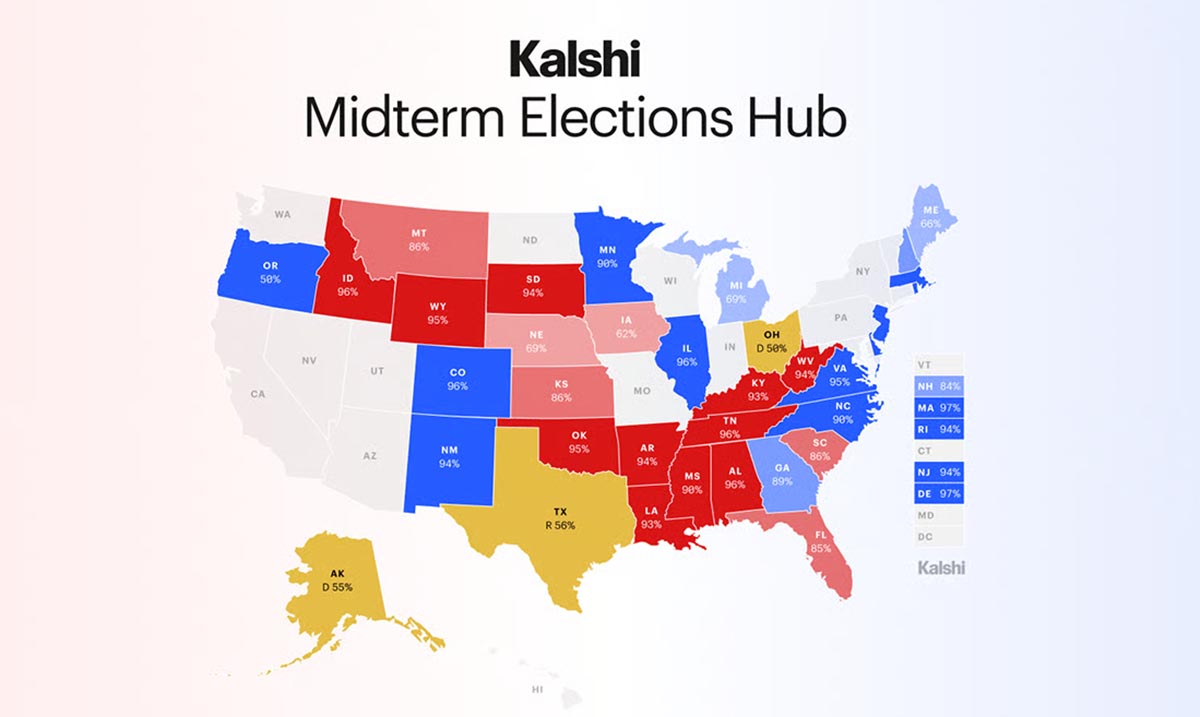

In a significant development for election data dissemination, the Associated Press (AP) has announced a partnership with Kalshi to supply comprehensive U.S. election results. This agreement aims to integrate AP’s vote count data and race calls into Kalshi’s platform, starting ahead of the upcoming primaries. The move is poised to offer users a more robust framework for tracking electoral outcomes, combining established data sources with innovative delivery methods.
The partnership underscores a growing trend where reliable election information is made available through diverse channels, ensuring broader accessibility. By providing national and major state election details, AP continues its tradition of delivering accurate results, now extending to new audiences engaged in data-driven analysis.
Key Details of the AP-Kalshi Election Data Agreement
Under the terms of the deal, AP will furnish Kalshi with live vote count data and official race calls for key elections. This includes information on poll closing times and other critical elements that facilitate informed engagement with electoral processes. The integration is designed to complement existing features on Kalshi’s platform, creating a unified view of election night activities.
David Scott, vice president for AP Elections, emphasized the importance of this collaboration:
“We’re pleased to be working with Kalshi as we work to expand the reach of AP’s trusted elections data, meeting audiences where they are with reliable information about who voters have chosen to lead their country and communities.”
Jaron Zhou, Kalshi’s Head of Politics, added: “This collaboration will further Kalshi’s goal of being the premier destination to experience elections, combining AP’s trusted vote results with our transparent, market-based forecasts, creating a more complete picture of election night.” Zhou further noted that “Kalshi’s election forecasts help campaigns and everyday citizens track market expectations for election outcomes, and integrating AP’s live vote count data enhances Kalshi’s election night experience by bringing together real-time vote tallies and market activity.”
The agreement is non-exclusive, aligning with AP’s policy of avoiding restrictive partnerships. As Scott explained, AP is eager to share its insights with any entity interested in “high-quality, trusted data about elections.” This approach ensures that the data remains widely available, fostering an environment where multiple platforms can leverage it for various applications.
Implications for Election Monitoring and Data Utilization
The integration of AP’s data into Kalshi’s system is expected to provide users with a novel way to engage with elections. By merging live vote data with other analytical tools, the partnership could offer a more comprehensive understanding of electoral dynamics. This is particularly relevant as interest in detailed election tracking continues to rise among diverse stakeholders, including political analysts and the general public.
One key implication is the potential for improved real-time insights. Users will have access to AP’s vote counts alongside other metrics, allowing for a multifaceted view of unfolding events. This could aid in better comprehending shifts in voter preferences and outcomes as they occur, without relying solely on traditional reporting methods.
Furthermore, the deal reflects a broader shift toward data-driven approaches in election coverage. As platforms seek to differentiate themselves, partnerships like this one enhance the credibility and depth of information available. However, it also raises considerations about how users interpret integrated data, particularly in understanding concepts like the percentage of votes counted, which can influence perceptions of results.
In the context of increasing betting popularity in the U.S., such collaborations help platforms stand out by incorporating authoritative data sources. This not only boosts user confidence but also positions the platforms as reliable hubs for election-related information.
The Role of Trusted Data in Modern Election Coverage
AP’s involvement in this partnership builds on its long-standing reputation for accuracy in election reporting. Since 1848, AP has set standards for counting votes and declaring winners, achieving a 99.9% accuracy rate in nearly 7,000 races during the 2024 cycle. This track record makes its data a cornerstone for informed decision-making across various sectors.
The establishment of AP Elections as a standalone business unit in 2025 further demonstrates the organization’s focus on expanding its data services. Following a record year in 2024 with a 30% increase in customers compared to the previous presidential cycle, this unit aims to capitalize on growing demand for reliable election information.
Beyond news organizations, interest from technology companies, political data firms, and advocacy groups is on the rise. As Scott noted, “There’s just so much more interest from folks about what’s happening in democracy and what decisions voters are making.” This expanding customer base illustrates the versatile applications of AP’s data in today’s information landscape.
Comparative Analysis of Media and Platform Partnerships
The Kalshi partnership is part of a wider array of agreements AP has forged to distribute its election data. Recently, AP announced deals with major networks including ABC News, CBS News, CNN, and NBC News, alongside longstanding customer FOX News Media. Additions like CNBC and MS NOW further broaden this network.
To illustrate the scope of AP’s election data reach, consider the following table of select customers:
| Customer Type | Examples | Partnership Focus |
|---|---|---|
| Broadcast Networks | ABC News, CBS News, CNN, NBC News, FOX News Media | Real-time vote counts and race calls for election night coverage |
| Financial and Data Platforms | Kalshi, CNBC | Integration for enhanced user engagement and analysis |
| Other Media Outlets | MS NOW, thousands of global news organizations | Comprehensive election data licensing |
| Technology and Advocacy Groups | Various tech companies and political firms | Data for research and strategic planning |
This table highlights how AP’s data supports a diverse ecosystem, from traditional broadcasting to innovative platforms. Each partnership tailors the data to specific needs, whether for live televised updates or interactive user experiences.
Broadening Access to Election Information Through Strategic Alliances
By partnering with Kalshi, AP is extending its reach to audiences that may not engage with traditional news sources. Kalshi reported over 500 million site visits during the 2024 presidential election, indicating a substantial user base interested in election dynamics. This collaboration allows AP to tap into this demographic, providing them with authoritative data in a familiar environment.
The non-exclusive nature of the deal encourages further innovation, as other platforms can also access AP’s data. This openness promotes a competitive landscape where multiple entities can develop unique ways to present election information, ultimately benefiting end-users with varied options.
Additional resources from industry observers, such as those on PolyPunter.com discussing monthly prediction market volumes exceeding $13 billion amid election bets, provide context on the scale of engagement in election-related activities. Similarly, insights into the evolving landscape can be found in articles exploring sports betting on prediction markets involving Kalshi.
Navigating Challenges in Data Integration and User Education
While the partnership offers numerous benefits, it also presents challenges. Integrating official data with other analytical tools requires careful handling to avoid misinterpretations. For instance, users new to election data may need guidance on understanding preliminary vote counts versus final results.
Critics have noted that such integrations could blur lines between factual reporting and speculative analysis. As one analysis points out, prediction platforms are increasingly intertwining with news sources, potentially leading users to conflate verified data with user-generated content. Addressing these concerns through clear delineations and educational resources will be crucial for maintaining trust.
Regulatory considerations also come into play, as the partnership operates within a framework overseen by relevant authorities. Ensuring compliance while innovating remains a priority for both parties.
Future Outlook for Election Data Partnerships and Innovations
Looking ahead, the AP-Kalshi agreement may pave the way for similar collaborations. As demand for real-time, accurate election data grows, more platforms could seek partnerships with established providers like AP. This could lead to advancements in how election information is consumed and analyzed.
The 2026 midterms will serve as a testing ground for this integration, potentially setting precedents for future cycles. Success here could encourage expansions into other data types or international elections, broadening the scope of accessible information.