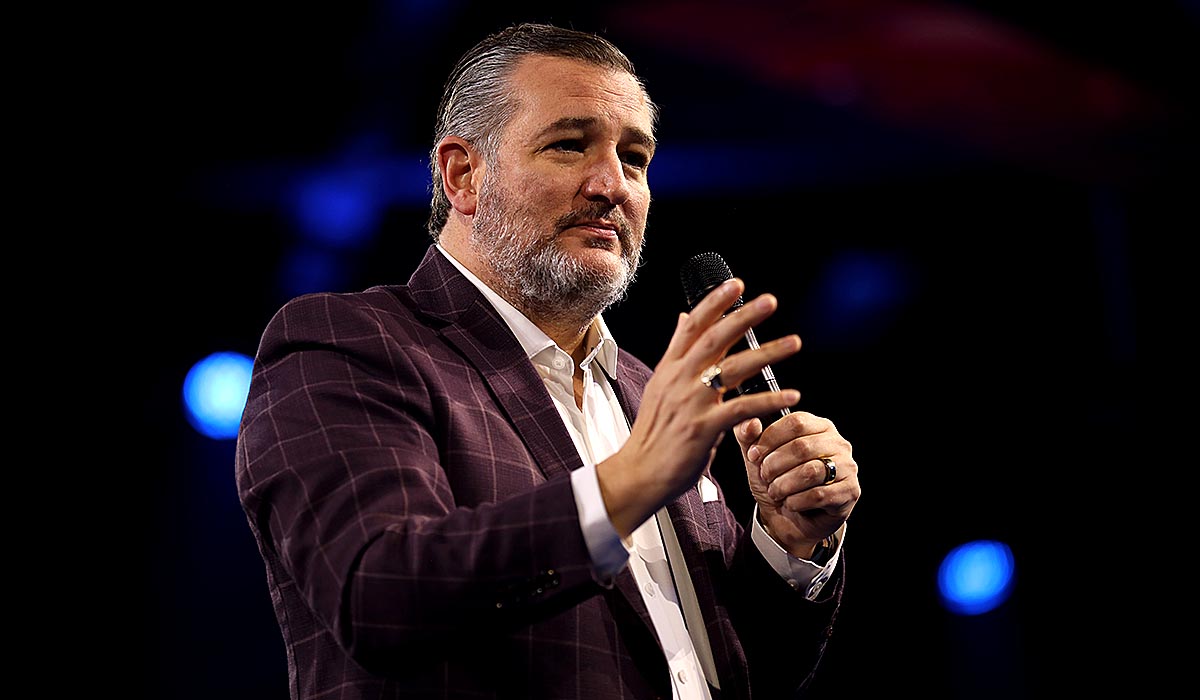
Senator Ted Cruz is preparing a post-midterm bill that would bar federally regulated prediction markets from offering event contracts tied to gambling activities, including sports, unless a state or tribal government first approves. The measure hasn’t been introduced yet, so no bill number or co-sponsors are on the record. Cruz, who chairs the Senate Commerce, Science and Transportation Committee, has been asking for months whether these platforms are actually following the law or just working around state rules.
The idea comes as courts are split and several states already push back. Platforms list sports contracts under their Commodity Futures Trading Commission registration and claim federal law overrides state gambling statutes. Cruz’s plan would flip that starting point and require clear permission before platforms could offer sports-linked contracts. In Texas, where sports betting remains illegal, Lieutenant Governor Dan Patrick has already told a Senate committee to examine what he calls prediction-market gambling loopholes before the 2027 session.
Sports contracts, including combos, make up roughly 80% of the volume on the biggest exchanges. Moving to state-by-state approval would force operators to get sign-offs in the places where they have grown the fastest or cut those products back. The early reporting has not included any public reaction from the platforms or the American Gaming Association.
Cruz flagged the same issues at a May Commerce Committee hearing on sports integrity. He asked whether prediction markets were “operating within the law, or are they defying the law and improperly infringing on state sovereignty.” In the clips, he keeps coming back to the idea that athletes should compete on merit and points to recent integrity cases.
Cruz Targets Federal Preemption for Gambling-Linked Contracts
As described, the bill would block prediction markets from listing contracts tied to gambling activities without state or tribal approval. It differs from the Prediction Markets Are Gambling Act, which would ban sports and casino-style contracts on registered exchanges altogether. Cruz’s version leaves the call to states and tribes. Because the text isn’t out yet, exact definitions and timing remain unclear.
Cruz has focused more on state authority and sports integrity than on shutting down prediction markets. At the May hearing, he said event contracts on sporting events basically work like sports bets. He cited cases involving NBA personnel, MLB pitchers, MLS players, and UFC match cancellations, while other senators pressed the industry on advertising and integrity checks.
That approach runs against the Trump administration’s preference for keeping oversight with the CFTC. The agency has been moving on rules that would treat certain event contracts as swaps. A law requiring state or tribal approval would undercut the platforms’ preemption arguments in court. Both parties are expected to keep a closer eye on the fast-growing and controversial sector after the midterms.
Texas adds a clear political layer. Patrick directed the State Affairs Committee to study prediction-market activity and figure out how to protect elections and sports under state law. The committee heard from platform representatives and gaming groups in September, but it didn’t vote on anything. The Texas Legislature meets only in odd-numbered years, so any bills that come out of that work would likely appear in 2027.
Under the reported outline, operators would keep their federal registrations but could only offer sports contracts where they have explicit state and tribal permission. That would create a patchwork even in states that currently let the platforms operate without active limits. The biggest shifts would likely hit markets that have drawn many users in states that still ban traditional sports betting. Additionally, these permissions will come with a high financial cost, as sports betting state tax revenue can exceed 50% in states such as New York.
Court Split and State Challenges Frame the Debate
Appeals courts have already split on whether sports event contracts fall under the CFTC’s exclusive jurisdiction. The Third Circuit treated them as swaps covered by federal rules in a New Jersey case. The Sixth Circuit said the opposite in Ohio and Tennessee cases, deciding the contracts were not swaps and stayed under state gambling laws. The Ninth Circuit reached a similar result in a Nevada matter. Those conflicting rulings led New Jersey to ask the Supreme Court to step in, with support from dozens of other states and the NFL.
State attorneys general and gaming regulators have not waited for the courts. Ohio has sent cease-and-desist orders to operators listing sports contracts and warned its own licensees not to help. Utah has sued a platform and a market maker. Missouri is facing suits from some operators trying to block enforcement, and tribal groups have argued that certain contracts cut into their authority under the Indian Gaming Regulatory Act.
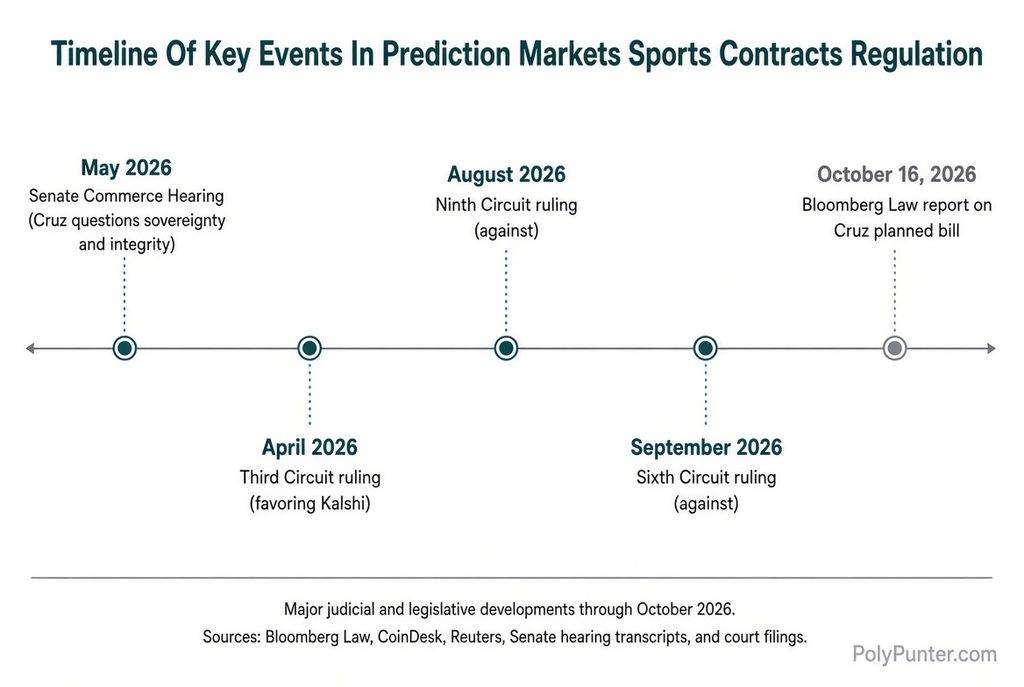
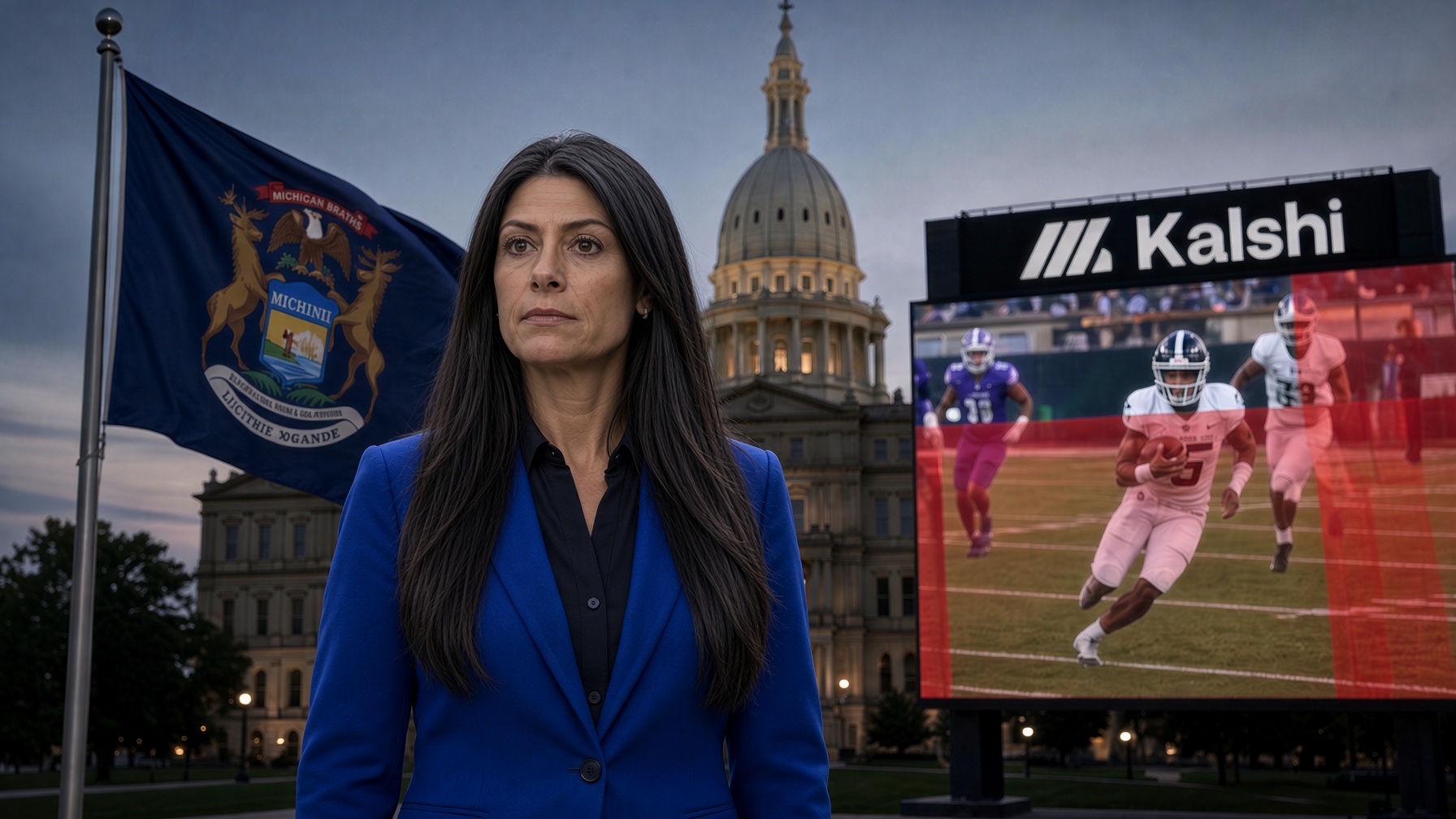
Kalshi has asked the full Sixth Circuit to rehear the case and keeps arguing that federal commodities law overrides state gaming rules for contracts traded on designated exchanges. The company says letting states apply gambling laws would bring back the fragmented setup Congress tried to avoid when it gave the CFTC its role over derivatives. State officials say Congress never meant to wipe out traditional gaming regulation just because sports outcomes get packaged as exchange-traded contracts.
New Jersey’s petition is still pending, and the platform’s response is due in early November. Even if the Court takes the case, a final ruling would not arrive until 2027 at the earliest. Until then, the circuit split leaves operators, traders, and state officials working with uncertainty. A new statute could settle the question or make it messier, depending on how it is written.
Cruz’s bill would add a legislative option alongside the court fights and state actions. By tying sports contracts to state or tribal approval, it would codify a permission-based rule instead of leaving the preemption question to judges or the CFTC. That aligns with arguments state gaming authorities and some sports leagues have made about integrity and enforcement gaps.
Implications for Platforms and Traders
Sports contracts drive most of the recent volume, so a state or tribal-approval requirement would hit the main product line. Platforms would have to determine where they already have permission, pursue new approvals, or geofence certain contracts while still using their federal exchange status for everything else. Traders in states that do not allow sports betting have used the platforms to trade game outcomes and related contracts as a sports betting workaround
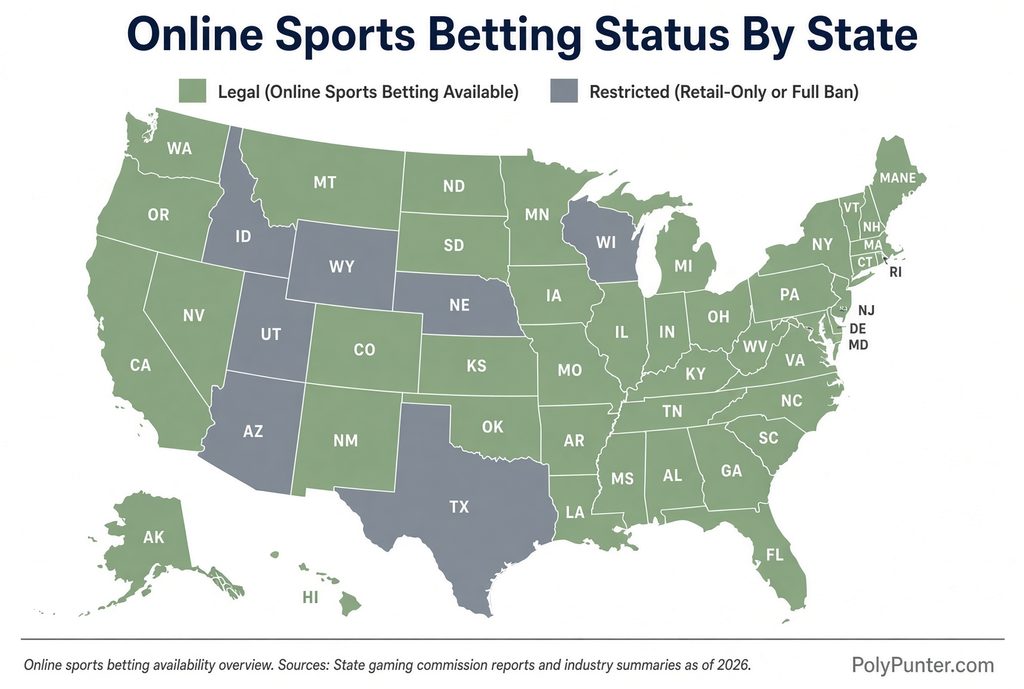
In Texas, users can currently access the full menu under federal rules, even as state leaders consider tighter controls. If the Cruz bill passes and Texas does not authorize sports contracts, those traders would lose that part of the market unless they travel. VPN workarounds are much tougher when online businesses require IDs to open accounts. The same pattern would show up in other places that currently allow the activity only through the federal channel.
The legislation could also change how platforms build new products and how market makers put capital to work. Contracts on politics, economics, weather, and culture would likely remain available under the existing federal registration, but the fastest-growing sports category would face new limits. Operators might lean more into non-sports markets or pursue state licenses where that makes sense. States currently offering legal sports betting and collecting revenue have no reason to reject the same taxable licensing deal for Kalshi or Polymarket.
Timing in Congress is another open question. The current session ends in early January 2027, so a bill introduced after the November elections would have only a short window before it expires. Cruz’s position as Commerce Committee chair gives him a way to move it, but the lack of public co-sponsors and the usual lame-duck scramble leave the odds uncertain.
References
- Bloomberg Law: Cruz Bill Would Allow State Jurisdiction Over Prediction Markets
- SBC Americas: Cruz bill could shut sports contracts out of Texas
- iGaming Times: Cruz Plans Bill for State Control of Sports Prediction Markets
- RG.org: Cruz Plans Bill Requiring State OK for Sports Event Contracts
- YouTube: Ted Cruz Stresses Importance Of Ensuring Sports Betting Does Not Threaten The ‘Integrity’ Of Sports
- CoinDesk: Prediction markets firms take heat in Senate Commerce hearing
- NPR: Senators grill officials from the sports betting and prediction markets industry
- Dallas Morning News: Texas stays silent on federal rules over prediction market oversight
- CoinDesk: Another appeals court rules against Kalshi on sports contracts
- Benzinga: Kalshi Legal Fight Likely to Reach Supreme Court