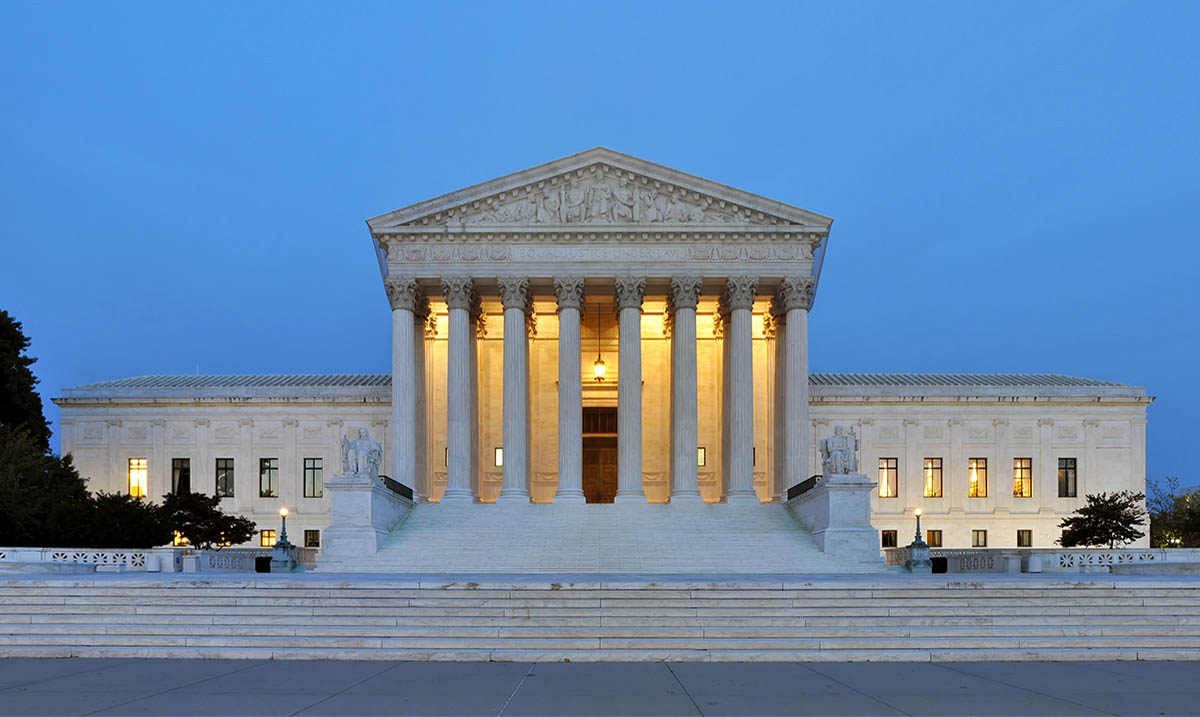
A federal judge in Ohio denied KalshiEX LLC’s request for a preliminary injunction against state regulators. The decision affirmed that event contracts tied to sports outcomes fall under state gambling oversight. Kalshi had sought to block enforcement by the Ohio Casino Control Commission and Attorney General. The ruling highlighted the absence of federal preemption in this context.
Experts view this as a significant development in ongoing disputes over regulatory authority.
Key Details of the Ohio Federal Court Decision on Kalshi Regulation
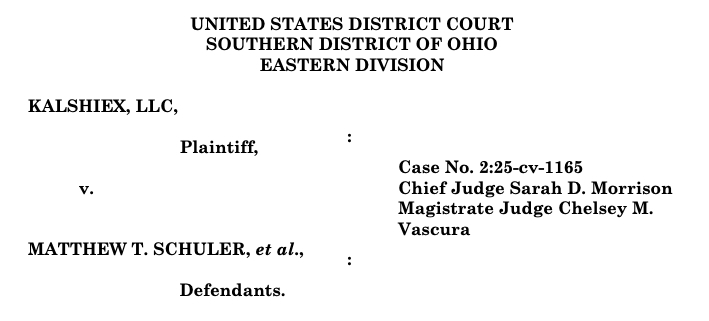
U.S. District Chief Judge Sarah D. Morrison issued the opinion in the case KalshiEX, LLC v. Matthew T. Schuler et al. The court examined whether the Commodity Exchange Act preempts Ohio’s sports gambling statutes. Morrison concluded that treating sports-event contracts as federally regulated swaps would produce absurd results. She emphasized that swaps involve financial instruments linked to commodity prices, such as currency rates or energy costs. Sports outcomes, like points in a basketball game, do not fit this definition.
The judge cited historical context, noting that Congress added swaps to the CEA in 2010 through the Dodd-Frank Act to address risks associated with the financial crisis. No evidence suggested intent to override state gambling laws.
The opinion cited the CEA’s exclusive jurisdiction over swaps but found no conflict with state authority here. Kalshi’s contracts allow users to take positions on events such as NCAA basketball tournament outcomes. The court obligated itself to avoid interpretations that would lead to absurdity, such as dismantling traditional sportsbooks.
Timeline of the Kalshi, Ohio Gambling Laws Case
| Date | Event | Description |
|---|---|---|
| January 22, 2025 | Kalshi Lists First Sports Contracts | Kalshi self-certifies and offers event contracts on sporting outcomes. |
| March 2025 | Ohio Commission Warning | Kalshi seeks an injunction in the U.S. District Court, Southern District of Ohio. |
| November 2025 | Kalshi Files Suit | The company files a notice of appeal to the Sixth Circuit. |
| March 10, 2026 | Court Ruling Issued | Judge Morrison denies preliminary injunction. |
| March 12, 2026 | Kalshi Appeals | Company files notice of appeal to the Sixth Circuit. |
Kalshi’s Arguments in Federal Preemption Bid Against State Gambling Laws
Kalshi asserted that its platform operates as a designated contract market under CFTC approval. The company described event contracts as derivatives, allowing trades on real-world outcomes. It argued that the CEA grants exclusive jurisdiction over such instruments. Kalshi self-certified its sports contracts in compliance with federal rules. The firm contended that state enforcement would create regulatory conflicts.
Representatives from Kalshi emphasized differences from traditional gambling. Users trade against each other, not the house. The platform requires positions on binary outcomes with defined payouts. Kalshi highlighted CFTC’s public-interest review for event contracts. It claimed preemption to ensure uniform national regulation.
The company pointed to the CEA’s special rule for contracts involving gaming or unlawful activities. CFTC has the authority to prohibit those that are against the public interest. Kalshi noted its compliance with core principles for designated markets. It argued that Ohio’s actions threaten operational integrity. The firm sought to maintain access for users aged 18 and older.
In summary, Kalshi is sticking to its fundamental assertion it’s a commodities futures marketplace, beholden only to the CFTC and federal regulators.
Ohio’s Stance on Enforcing Gambling Laws Against Kalshi Event Contracts
Ohio regulators classified Kalshi’s offerings as unlicensed sports betting. The Casino Control Commission cited violations of state codes on bookmaking. Attorney General Dave Yost supported the position in legal filings. He described the markets as resembling gambling despite federal labels.
The state legalized sports gambling in 2023, with an age restriction of 21. Kalshi’s lower age threshold conflicted with this. Regulators demanded compliance or cessation of operations. They argued that there was no congressional intent to preempt state laws. The commission threatened civil and criminal actions.
Ohio joined other states in amicus briefs defending local oversight. The ruling aligned with state interests in protecting consumers. Regulators viewed event contracts as facilitating wagers on games. They emphasized taxation and licensing requirements for operators. The decision reinforced state control over gambling activities.
Implications of Kalshi Ruling for Prediction Market Regulation 2026
The decision intensifies debates over state versus federal authority in this sector. Kalshi plans to appeal, citing conflicting rulings elsewhere. Industry observers note potential for prolonged litigation. The outcome could influence platforms like Polymarket facing similar challenges. Regulators in multiple states have initiated enforcement actions.
CFTC Chair Michael Selig has advocated for federal exclusivity. He argued that such markets hedge risks and check media accuracy. States counter that sports outcomes constitute gambling under local laws. The ruling may encourage more state interventions. Platforms risk operational disruptions during appeals.
Legal experts highlight the CEA’s focus on financial stability following the 2008 crisis. Swaps regulation aimed at commodity-linked instruments. Extending it to sports could undermine state frameworks. The case underscores jurisdictional tensions. Future congressional action might clarify boundaries. Barring that, it’s possible this could move to the Supreme Court for final federal vs. state regulatory control decisions.
Platforms must navigate varying state rules amid uncertainty. Some may limit offerings to avoid conflicts. The decision affects user access and market volumes. Investors monitor impacts on valuations. Regulatory clarity remains a key demand from the industry.
Comparison of Kalshi Rulings Across States on Event Contracts
| State | Ruling Outcome | Key Reasoning |
|---|---|---|
| Ohio | Denied Injunction | No federal preemption; absurd to classify sports contracts as swaps. |
| Tennessee | Granted Injunction | Federal law overrides state gambling regulations. |
| Nevada | Remanded to State Court | Lack of federal jurisdiction; state gaming laws apply. |
| Massachusetts | Favored State | Contracts subject to local gaming statutes. |
| New Jersey | Granted Injunction | CEA preempts state enforcement. |
Similar Legal Battles in Other States Over Prediction Market Oversight
Nevada regulators pursued enforcement against Polymarket for unlicensed operations. The platform filed an emergency motion for a stay after remand to the state court. Legal filings emphasized potential irreparable harm. Nevada’s actions mirror Ohio’s focus on state sovereignty. Polymarket argued for federal uniformity under the CEA.
In Tennessee, a federal judge blocked the state’s application of gambling laws to Kalshi. The ruling, in contrast to Ohio’s, found preemption. Kalshi cited this in its appeal plans. Massachusetts courts sided with regulators preliminarily. Maryland followed a similar path against prediction platforms.
States like Utah expressed strong opposition to these markets. Governors highlighted consumer protection concerns. Bipartisan alarms have risen over the lack of oversight. Platforms claim distinction from traditional betting. Disputes could be taken to higher courts for resolution.
Industry analyses, such as those on PolyPunter.com, detail parallel cases. They note procedural similarities in removals and remands. Experts predict appeals will shape national standards. Conflicting decisions create operational challenges. Platforms adjust strategies amid evolving landscapes.
Potential Appeal and Future Outlook for Kalshi Event Contracts Regulation
Kalshi filed a notice of appeal to the Sixth Circuit Court of Appeals. The company disagrees with the district court’s interpretation. It references splits from Tennessee and New Jersey rulings. Appeals may address the scope of preemption under the CEA. Outcomes could set precedents for nationwide operations.
Federal agencies like the CFTC continue to assert jurisdiction. Chair Selig views these markets as risk-hedging tools. States push for local control to enforce age and tax rules. Congressional intervention remains possible to resolve tensions. Lawmakers from both parties scrutinize the sector.
Platforms face risks of fragmented regulation. Some may seek legislative clarity. Users in affected states encounter access limitations. Market volumes fluctuate with legal developments. Observers anticipate multi-year resolutions.
For visual context on the ruling, view this YouTube video summarizing the Ohio decision.
References
- KalshiEX, LLC v. Schuler et al. Court Opinion
- NBC News: Ohio Judge Rules Kalshi Must Adhere to State Law
- Cleveland.com: Ohio Judge Blocks Kalshi Bid
- The Hill: Ohio Judge Orders Kalshi to Follow State Betting Laws
- PolyPunter.com: Polymarket Facing Legal Blow in Nevada
- PolyPunter.com: Ultimate Glossary of Prediction Markets Terms
- Ohio AG Dave Yost X Post
- Money Magazine X Post on Kalshi Ruling
- Kegler Brown: Sorry, Kalshi – Ohio Court Ruling
- Columbus Dispatch: Judge Rules Ohio Can Enforce Laws Against Kalshi
- CDC Gaming: Ohio Judge Rules on Kalshi
- Ground News Instagram on Kalshi Ruling
- YouTube: Federal Judge Rules on Prediction Markets
- YouTube: Nevada Court Bans Kalshi
- WSJ: Kalshi Dealt Setback in Nevada
- Nevada Current: Protracted Fight in Nevada v. Kalshi
- Gaming America: Kalshi Wins in Tennessee
- ESPN: Future Unpredictable for Prediction Markets
- Commercial Litigation Update: Prediction Markets v. State Gaming Laws
- Yahoo Finance: Nevada Battle Against Prediction Markets
“`