
Michael Burry, famous for shorting the mortgage market prior to the 2008 housing market collapse, as featured in the film The Big Short, is now turning rather positive on gambling and sports betting stocks relative to their prediction-market competitors.
Burry has allocated substantial resources to shares in established online gambling operators. Reports from Investing.com indicate this allocation marks a clear preference for traditional gambling equities over other higher-risk trading venues. Market followers tracking his disclosures note the timing aligns with broader sector momentum in regulated betting businesses.
Burry, having executed high-conviction shorts in prior cycles, is now channeling funds toward companies delivering consistent operational scale. This pivot captures attention because it contrasts with his historical pattern of targeting perceived overvaluations elsewhere. It also seems to fly in the face of prevailing views that prediction markets will substantially eat into wagering market share. Not to mention these sports betting companies themselves investing heavily in their own prediction-market-integrated platforms.
Michael Burry Online Gambling Bets Highlight Portfolio Reallocation
Burry’s recent activity shows concentrated exposure to names such as DraftKings and Flutter Entertainment. These holdings reflect calculated exposure to firms operating in mature regulatory environments. Data from filings and market tracking reveal upward price action in several of these positions during recent sessions. DKNG registered a modest rise, while FLTR moved in the opposite direction on the same day. Such positioning suggests Burry identifies durable cash-flow characteristics in these operators rather than chasing shorter-duration event-driven vehicles.
These movements occurred as broader equity indices showed mixed performance. Burry’s team appears to favor businesses with established user bases and recurring revenue streams. Portfolio adjustments of this magnitude often prompt renewed scrutiny of capital allocation algorithms across hedge fund circles.
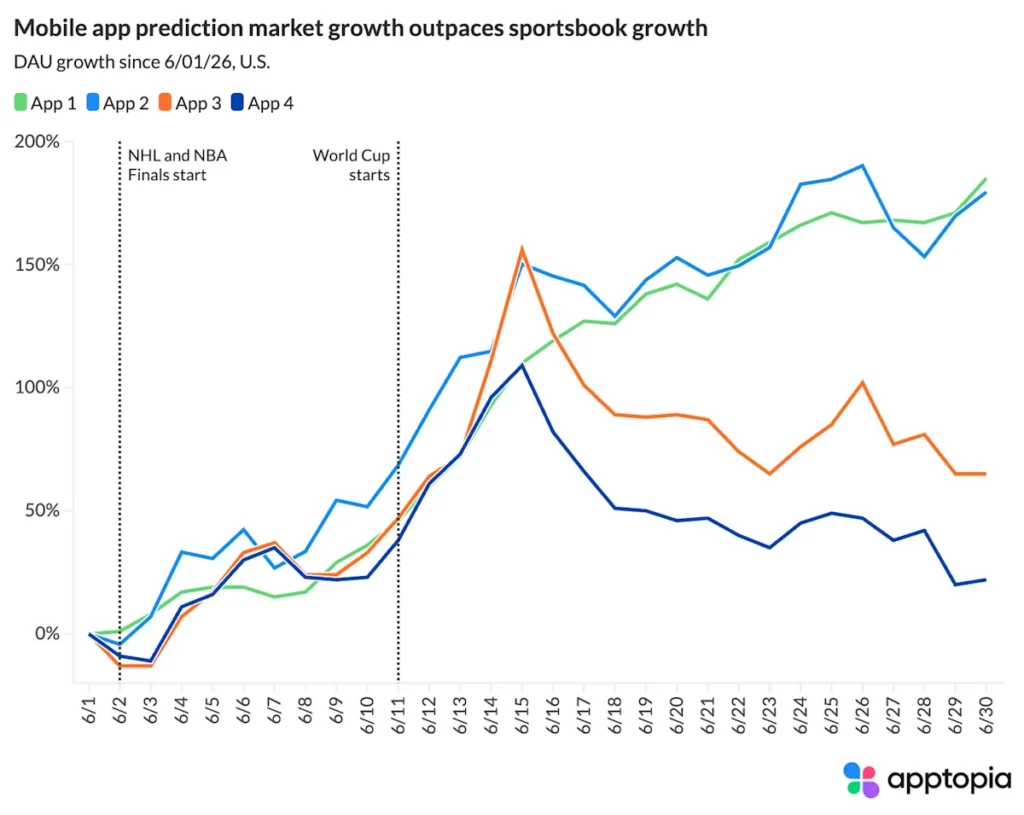
Burry has shown no corresponding interest in platforms centered on event contracts. This absence stands in contrast to the rapid capital inflows those platforms have attracted from other sources. Kalshi, for one, appears to be doubling its investment valuations at a rather accelerated timeline. Instead, his focus remains on operators with physical infrastructure and longstanding licensing structures. Having navigated multiple market regimes before, Burry appears to prioritize vehicles offering clearer operational visibility.
The distinction matters because it illustrates differing risk appetites among prominent investors. Burry’s track record includes outsized calls that rewarded personal conviction over broader market consensus. By directing resources away from event-driven trading venues, he signals a preference for models tied to consumer spending patterns rather than outcome probabilities alone.
Market Implications of Burry’s Gambling Sector Focus
Some equities in the gambling group experienced renewed interest from momentum-driven accounts. Burry’s high-profile involvement adds a layer of visibility that extends beyond daily trading ranges. Companies benefiting from his capital deployment often see sustained discussion in investment communities, as other traders begin to question what he sees that they perhaps did not. This Burry-dynamic can amplify liquidity in specific tickers during subsequent sessions.
The move coincides with ongoing consolidation trends among large gambling groups. Operators continue pursuing scale through acquisitions and geographic expansion. Burry’s capital supports the narrative of pursuing selective strength within the category. As a result, traders monitoring institutional flows have incorporated these holdings into rotation strategies. The net effect reinforces separation between traditional gambling equities and newer contract-based alternatives.
As detailed in reports from Yahoo Finance, Burry has repeatedly demonstrated willingness to take positions that diverge from prevailing public sentiment. Earlier cycles featured large short exposures to technology names he viewed as extended. Those calls drew widespread attention because of their size and timing relative to valuation peaks. The current emphasis on gambling operators follows a similar willingness to act independently. Having executed multi-year option structures before, Burry now applies comparable sizing to long positions in consumer-facing services. He’s not a one-trick pony by any means, merely a prognosticator who finds the optimal avenues for his forecasts.
This continuity in approach reveals a consistent philosophy around asymmetric opportunities. Burry evaluates businesses on fundamentals such as cash generation and competitive positioning. By applying that lens to gambling operators, he bypasses venues (prediction markets) that rely on the rapid resolution of discrete events. Market followers reviewing his history see parallels in the scale of commitment across different asset classes.
Always something for investors to consider when Michael Burry makes a big move.
References
1. Michael Burry bets big on online gambling, snubs prediction markets – Investing.com
2. Big Short investor Michael Burry says the market has jumped the shark – Yahoo Finance
3. Michael Burry says the market today feels like the last months of the 1999-2000 bubble – CNBC
4. Kalshi loses bid to stop New York from regulating prediction markets – Courthouse News Service
5. Why is the US Stock Market Down Today? – BeInCrypto
6. A New Bombshell Has Entered Prediction Markets: Love Island – Barrons