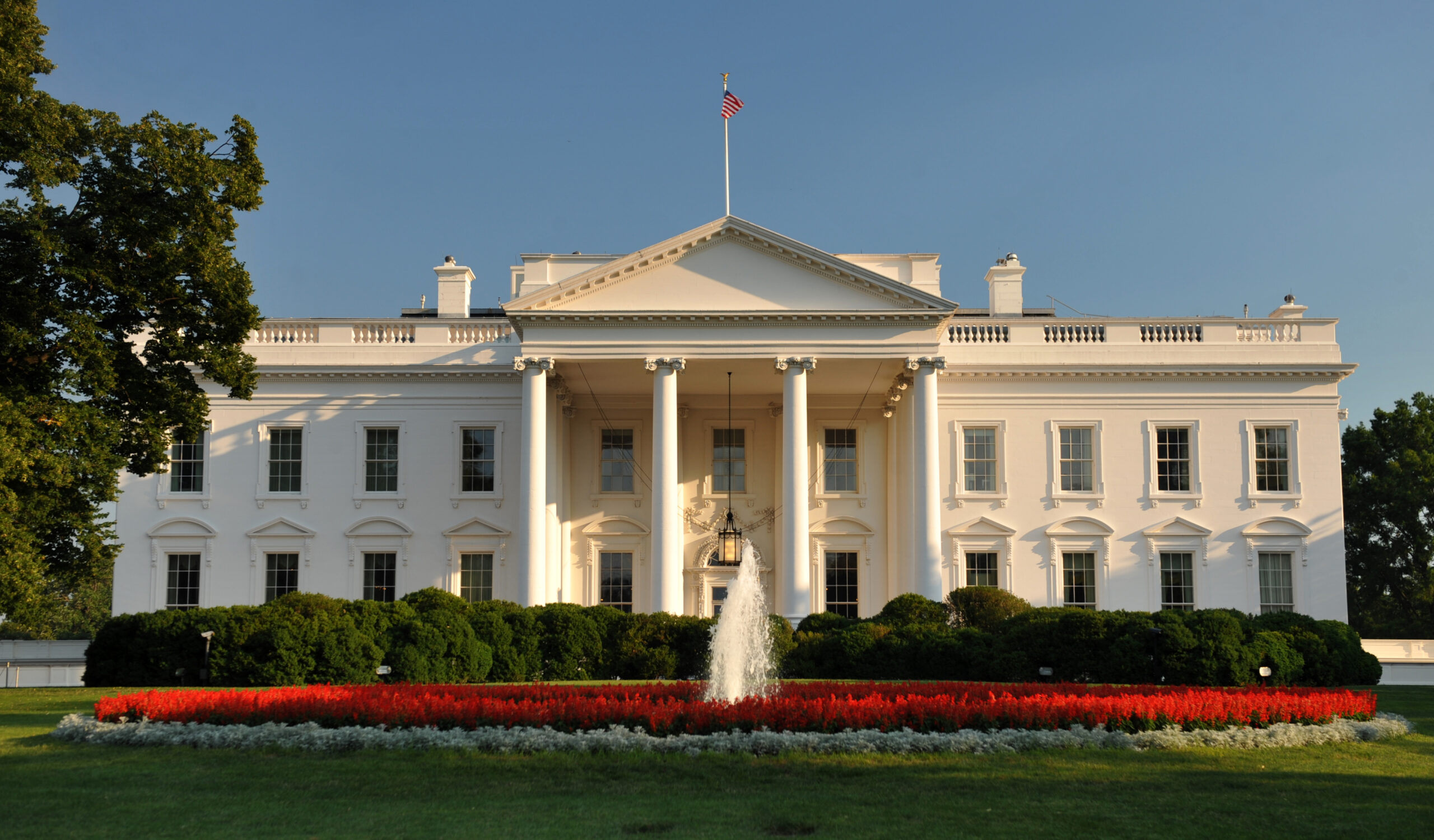
The White House Management Office sent a direct email to all staff members on March 24, delivering a stern reminder about the risks of insider trading. Employees must avoid using any nonpublic government information to place bets on prediction market contracts. The memo highlighted criminal penalties and federal ethics violations for anyone who misuses confidential details for financial gain.
This White House staff prediction-market betting warning arrives amid surging scrutiny of suspiciously timed trades. Lawmakers from both parties now demand stronger safeguards as trading volumes spike on platforms handling geopolitical events. Officials describe the message as a necessary refresher on long-standing rules rather than a response to proven misconduct.
White House Email Details Expose Concerns Over Nonpublic Information in Prediction Markets
The March 24 email explicitly referenced recent press reports that raised alarms about government officials leveraging inside knowledge for wagers. It declared that such actions amount to a criminal offense under existing law when applied to event contracts. Federal ethics regulations further prohibit employees from benefiting themselves or others by using confidential information.
Staff members encountered a blunt closing statement: misuse of nonpublic information for personal profit constitutes a very serious offense that the administration refuses to tolerate. The communication directed questions to the White House Counsel’s Office for clarification. This internal alert underscores the executive branch’s commitment to maintaining ethical standards during heightened market activity.
White House spokesman Davis Ingle addressed media inquiries about the memo with a firm defense of the administration’s position. He stressed that President Trump holds zero tolerance for officials exploiting confidential details while supporting vibrant markets. Ingle dismissed suggestions of administration complicity as baseless and irresponsible.
Suspicious Trades Trigger White House Staff Prediction Market Betting Warnings
Well-timed bets multiplied in the hours before President Trump’s March 23 announcement pausing strikes on Iran’s power plants. Oil futures and related contracts shifted dramatically just minutes prior to the public statement. Similar patterns surfaced around earlier Iran policy developments and other sensitive national security updates.
These coincidences prompted bipartisan lawmakers to question whether government insiders might profit unfairly from advance knowledge. The rapid pace fuels demands for deeper investigations that span federal agencies. No concrete evidence directly links White House personnel to the trades, yet the optics alone intensify the current focus.
Senator Elizabeth Warren collaborated with colleagues to urge the Commodity Futures Trading Commission and Office of Government Ethics to provide immediate enforcement guidance. Her March 29 letter sought clear steps to prevent and address potential violations among federal workers. Warren emphasized that explosive growth in these markets requires explicit reminders for every government employee.
Timeline of Events Fueling White House Staff Prediction Market Betting Scrutiny
| Date | Key Event | Consequences for Insider Trading Discussions |
|---|---|---|
| March 23, 2026 | Trump announces pause in Iran strikes | Immediate surge in related trading activity sparks initial red flags |
| March 24, 2026 | White House issues staff-wide email warning | Senators Warren and Merkley send a formal inquiry |
| March 25, 2026 | Administration spokesman reinforces ethics rules | Public statements deny wrongdoing while upholding existing prohibitions |
| March 29, 2026 | Senators Warren and Merkley send formal inquiry | Calls for comprehensive federal employee guidance on prediction market rules |
Bipartisan Lawmakers Advance Bills to Strengthen Insider Trading Protections on Prediction Markets
Rep. Ritchie Torres called on the CFTC and the SEC to investigate trades that preceded the announcement of the Iran ceasefire. His letter stressed the importance of applying the same level of scrutiny to event contracts as to traditional securities. Torres joins the growing number of legislators who argue that current monitoring mechanisms prove insufficient.
Senator Andy Kim delivered an impassioned Senate floor speech that described the environment as ripe for corruption. He highlighted loopholes that enable a privileged few to reap substantial rewards while ordinary citizens bear the fallout from distorted outcomes. Kim’s comments reflect the mounting ethical outrage spreading through Congress.
Several bills introduced in recent weeks seek to bar elected officials, executive staff, and their immediate families from participating in contracts linked to political or military developments. One proposal from Sens. Adam Schiff and John Curtis targets contracts resembling sports or casino-style wagers. A separate House measure sponsored by Reps. Adrian Smith and Nikki Budzinski zero in on real-time exploitation vulnerabilities.
Key Legislative Proposals Addressing White House Staff Prediction Market Betting Risks
| Bill Name | Primary Sponsors | Main Provisions |
|---|---|---|
| Prediction Markets Are Gambling Act | Sens. Adam Schiff (D-CA) and John Curtis (R-UT) | Bans contracts that mirror sports bets or casino games on regulated platforms |
| Public Integrity in Financial Prediction Markets Act | Rep. Ritchie Torres (D-NY) | Prohibits federal elected officials, political appointees, and executive branch employees from trading on political event contracts using nonpublic information |
These initiatives showcase an unusual cross-aisle effort to protect the integrity of public decision-making. Proponents contend the measures defend national security interests alongside market fairness. Industry voices counter that excessively broad bans risk pushing activity into unregulated offshore venues where transparency disappears.
This video examines the regulatory clashes emerging as authorities balance innovation against necessary accountability in fast-evolving markets.
Administration Defends White House Staff Prediction Market Betting Directive
Spokesman Davis Ingle reiterated the White House stance in subsequent public comments reported by The Wall Street Journal. He noted that all federal employees already operate under established ethics guidelines that prohibit such conduct. Ingle characterized the email as routine reinforcement instead of an acknowledgment of any internal breach.
The administration’s reply aims to convey resolve and principled leadership despite external criticism. White House team members continue focusing on core responsibilities without disruption, according to sources familiar with operations. Officials cite the lack of verified evidence as confirmation that safeguards perform effectively.
Meanwhile, the CFTC advances its own rulemaking and enforcement initiatives targeting similar vulnerabilities. Chairman Michael Selig publicly affirmed the agency’s robust surveillance tools and dedication to eliminating deceptive practices. These concurrent efforts indicate that regulators treat the matter with utmost seriousness.
National Security Implications Amplify Calls for Tighter Controls on Prediction Market Trading
Senator Todd Young praised the White House directive while advocating for additional structural protections to prevent recurrence. His statement emphasized the value of comprehensive legislation that covers all levels of government service. Young’s position reveals that supportive figures still acknowledge the limits of internal memos alone.
Risks now extend beyond financial equity to potential threats to sensitive policy formulation. When insiders stand to gain from foreknowledge of military or diplomatic actions, incentives may distort objective judgment. Legislators increasingly frame the issue as essential to upholding democratic accountability and operational security.
The CFTC refines its approach to close exactly these exposure points through targeted rules. Recent platform enforcement actions prove authorities wield effective tools when evidence materializes. Federal employees now function with elevated awareness that violations invite both legal penalties and career consequences.
This segment details how event contracts integrate into derivatives oversight and explains why vigorous enforcement ranks high among federal priorities.
The White House staff prediction market betting warnings have sparked an essential dialogue about accountability at the pinnacle of government. With trading activity accelerating amid geopolitical developments, the push to update regulations is gaining momentum. Policymakers and executives now work urgently to achieve an optimal equilibrium between transparency and security.
Each fresh revelation heightens efforts to shield government functions from potential abuse. The administration’s unambiguous communication serves as both a caution and a catalyst for systemic improvement. Citizens observing these developments rightly insist on steadfast adherence to ethical norms that prioritize the broader public good.
References
- White House staff received an email warning them not to place bets on prediction markets – CBS News
- White House warns staff against insider trading on prediction markets – CNN
- White House Warns Staff Not to Place Bets on Prediction Markets – The Wall Street Journal
- Letter from Sen. Elizabeth Warren on Prediction Markets
- Rep. Ritchie Torres on Legislation to Crack Down on Insider Trading
- Curtis, Schiff Introduce Bipartisan Legislation to Ban Sports Prediction Market Contracts
- Government gambles on unregulated prediction markets – YouTube
- Discussion on derivatives and prediction market regulation – YouTube