Lawmakers in Washington have introduced several bills to address growing worries over prediction markets. These platforms have faced scrutiny after suspicious trades linked to major geopolitical events. The push for regulation stems from trades that profited from the timing of U.S. military actions against Iran. Officials argue that such activities undermine public trust in government. The legislation aims to close loopholes that allow insiders to benefit from nonpublic information.
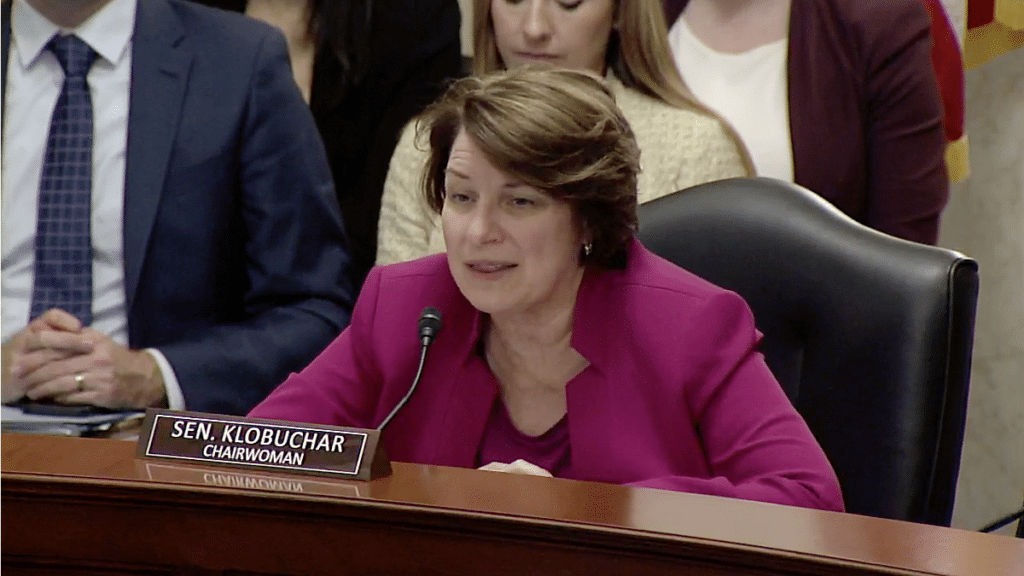
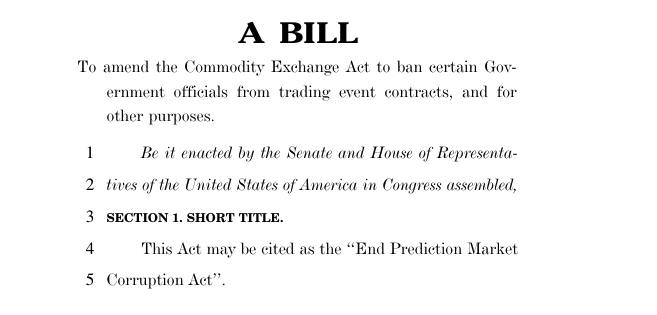
Senators Jeff Merkley and Amy Klobuchar lead the effort with their bill. They introduced the End Prediction Market Corruption Act to prevent high-level officials from engaging in these trades. The measure responds to reports of bets placed just before key events in the Iran conflict. Public reports highlighted profits made on the ouster of Iran’s Supreme Leader Ayatollah Ali Khamenei. Lawmakers view these incidents as evidence of potential corruption.
The End Prediction Market Corruption Act: Key Provisions and Sponsors
The End Prediction Market Corruption Act prohibits the President, Vice President, and members of Congress from trading event contracts. It extends restrictions to senior executive branch officials on matters related to their duties. Violators face fines starting at $10,000. The bill ensures officials serve public interests without personal financial gain from insider knowledge. Cosponsors include Senators Chris Van Hollen, Adam Schiff, and Kirsten Gillibrand.
Proponents emphasize the need to maintain integrity in government operations. They point to instances where trades aligned closely with confidential decisions. The act bans trades on platforms that allow wagers on real-world outcomes. It covers contracts tied to government policy or actions. This approach aims to eliminate conflicts of interest.
Table 1 illustrates the main elements of the bill.
| Provision | Description | Affected Parties |
|---|---|---|
| Trading Ban | Prohibits buying or selling event contracts | President, Vice President, Members of Congress |
| Restrictions for Officials | Limits senior executive staff on work-related contracts | Executive Branch Officials |
| Penalties | Fines of at least $10,000 per violation | All Covered Individuals |
| Scope | Applies to platforms in interstate commerce | Federal Elected and Appointed Officials |
The bill’s introduction follows a surge in activity on prediction markets. Trades on the Iran strikes reached millions in volume. Officials argue that unrestricted access creates opportunities for abuse. The legislation seeks to enforce ethical standards across federal branches. It represents a bipartisan recognition of the risks involved.
Other Congressional Efforts to Regulate Prediction Markets
Representatives Blake Moore and Salud Carbajal have proposed the Event Contract Enforcement Act. This bill empowers the Commodity Futures Trading Commission to prohibit contracts on terrorism, assassination, and war. It strengthens existing laws to address national security risks. The measure targets contracts that could incentivize harmful activities. It reflects concerns over bets that profit from violence.
Representative Ritchie Torres introduced the Public Integrity in Financial Prediction Markets Act of 2026. This legislation bars federal officials from transactions involving prediction markets when they hold material nonpublic information. It applies to elected officials, appointees, and executive employees. The bill extends principles from the STOCK Act to these platforms. It prohibits trades tied to government policy or political outcomes.
Senator Chris Murphy plans legislation to outlaw certain prediction market bets. His proposal focuses on markets related to government actions. It responds to bets on the U.S. attack on Iran. Murphy described potential insider trading as a form of corruption. The bill aims to prevent profits from military decisions.
These bills share common goals but differ in scope. Table 2 compares them.
| Bill Name | Sponsors | Key Focus | Status |
|---|---|---|---|
| End Prediction Market Corruption Act | Sens. Merkley, Klobuchar | Ban on official trading | Introduced March 2026 |
| Event Contract Enforcement Act | Reps. Moore, Carbajal | Prohibit war-related contracts | Introduced March 2026 |
| Public Integrity in Financial Prediction Markets Act | Rep. Torres | Insider trading restrictions | Introduced January 2026 |
| Untitled Bill on Government Actions | Sen. Murphy | Ban bets on military actions | Planned for March 2026 |
Lawmakers from both parties support these measures. They cite the need for oversight in a growing industry. The bills address gaps in current regulations. They aim to protect national security and public confidence. The passage would mark a significant shift in how these markets operate.
Ethical Concerns Arising from the Iran Conflict
The Iran war has amplified ethical debates surrounding prediction markets. Bets placed hours before U.S. strikes raised suspicions of insider trading. Anonymous users profited over $500,000 on predictions of attacks on Iran. Lawmakers questioned how traders obtained advance knowledge. Such activities suggest possible leaks of sensitive information.
Trades on the death of Ayatollah Ali Khamenei drew particular outrage. Platforms archived some markets amid backlash. Academics highlighted moral issues with wagering on human lives. Government watchdogs warned of corruption risks. The trades sparked calls for congressional inquiries.
As reported by PolyPunter, a suspected military insider earned $60,000 by making accurate predictions about strike timelines. This case underscores integrity concerns in geopolitical betting. Platforms face accusations of enabling national security threats. Bettors could influence or disrupt military operations. The incentives created by these markets worry experts.
Democratic lawmakers condemned the profiteering. Senator Chris Murphy, never missing a chance to comment on a trending issue, called it insane and a disgusting form of corruption.
Representative Mike Levin demanded transparency about the sources of information. These statements reflect broader unease with death markets. The conflict has exposed vulnerabilities in unregulated platforms.
Ethical dilemmas extend to potential manipulation. Sophisticated actors could sway markets, creating panic. Low-paid officials might alter actions for personal gain. Anonymity on platforms complicates investigations. The Iranian events have galvanized support for bans.
Industry Reactions and Public Responses to Proposed Bans
Industry leaders have mixed views on the legislation. Some platforms consulted lawmakers during drafting. Kalshi provided input to senators before the bill’s introduction. Others argue that bans limit legitimate hedging tools. They claim markets provide valuable forecasts.
Public sentiment varies based on recent events. Social media shows outrage over Iran’s bets. Polls indicate support for restrictions on officials. Concerns about fairness drive the debate.
Advocates for regulation highlight national security. They cite bets that accurately predicted strikes. Opponents warn of overreach stifling innovation. Trade volumes exceeded $44 billion in 2025. The industry fears reduced participation if bans pass.
A class action lawsuit against Kalshi, as detailed by PolyPunter, disputes resolutions on Khamenei markets. This legal action adds pressure on platforms. It questions fairness in outcome determinations. Industry groups lobby for self-regulation. Public pressure mounts for federal intervention.
Senator Amy Klobuchar posted on X about the bill, emphasizing that no confidential information should be used for gain.
Her statement garnered significant engagement. Reactions included support from ethics watchdogs. Critics argue the bills do not go far enough. The discourse reflects divided opinions.
Potential Impacts of the Legislation on Markets and Governance
Passage of these bills would reshape prediction markets. Platforms might implement stricter user verifications. Trading volumes on sensitive topics could decline. Officials would face new compliance requirements. The changes aim to restore trust in institutions.
Economists debate the bills’ effects on market efficiency. Some view restrictions as necessary safeguards. Others see them as barriers to accurate forecasting. The Iran war trades illustrate the stakes involved. Legislation could set precedents for global regulation.
Federal agencies like the CFTC would gain enforcement powers. They could prohibit harmful contracts more effectively. Officials predict smoother operations in sensitive areas. The bills address gaps exposed by recent conflicts. They prioritize ethics over unrestricted trading.
Challenges and Future Outlook for Prediction Market Regulation
Enacting these bills faces hurdles in Congress. Partisan divides could delay progress. Lobbying from industry groups adds complexity. Lawmakers must balance innovation with oversight. The process requires careful negotiation.
Future developments depend on ongoing investigations. Probes into Iran trade could reveal more abuses. Findings might strengthen support for bans. Platforms may adopt voluntary measures to preempt laws. The outlook remains uncertain amid evolving debates.
Experts recommend comprehensive reforms. They suggest extending bans to family members. Monitoring tools could detect suspicious patterns. International cooperation might address offshore platforms. These steps aim for robust protections.
The legislation signals a turning point. It responds to public demands for accountability. Success would deter future corruption. Failure could lead to escalated risks. The coming months will determine the path forward.
References
- Merkley, Klobuchar Launch New Effort to Ban Federal Elected Officials Profiting from Prediction Markets
- Representatives Moore and Carbajal Introduce Bipartisan Bill to Regulate Prediction Markets
- Sen. Merkley proposes prediction market ban for government officials after Maduro, Iran bets
- Senators propose a ban on U.S. government officials from doing prediction market trading
- Text – H.R.7004 – 119th Congress (2025-2026): Public Integrity in Financial Prediction Markets Act of 2026
- New Prediction Markets Insider Trading Bill Surfaces In Congress
- Senators move to ban prediction market bets by elected officials
- The Senate bill would ban federal officials from all prediction market trades
- Press Release: Merkley and Klobuchar Introduce Legislation to Ban Federal Officials from Trading in Prediction Markets
- Senators Introduce Bill Banning Public Officials From Trading on Prediction Platforms
- Iran-related bets on prediction sites scrutinized over ‘death markets’ and possible insider trades
- Insider Trading Is Going to Get People Killed
- Prediction markets are a national security threat
- Prediction market bets on Iran strikes stoke insider trading, ethics scrutiny
- How Anonymous Bettors Cashed In on the Iran Strike, Just Hours Before It Happened
- Moral Questions Around Prediction Markets and Betting on Wars
- Prediction market bets on Iran conflict, Guthrie raises ethics concerns
- Iran war prediction market bets draw heat: ‘Insane this is legal.’
- New ‘prediction markets’ in the spotlight after people profit from war in Iran
- ‘Uncanny Valley’: Iran War in the AI Era, Prediction Market Ethics, and Paramount Beats Netflix
- U.S. Concerns Over Prediction Markets and Ethical …
- Iran-related bets on prediction sites scrutinized over ‘death …
- Prediction markets are facing backlash over bets on…
- Lawmakers push to ban officials from prediction markets …
- Iran war prediction market bets draw heat: ‘Insane this is …
- Suspected Military Insider Profits on Polymarket – PolyPunter
- Class Action Lawsuit Against Kalshi – PolyPunter
- Senator Amy Klobuchar on X
- Senator Chris Murphy on X