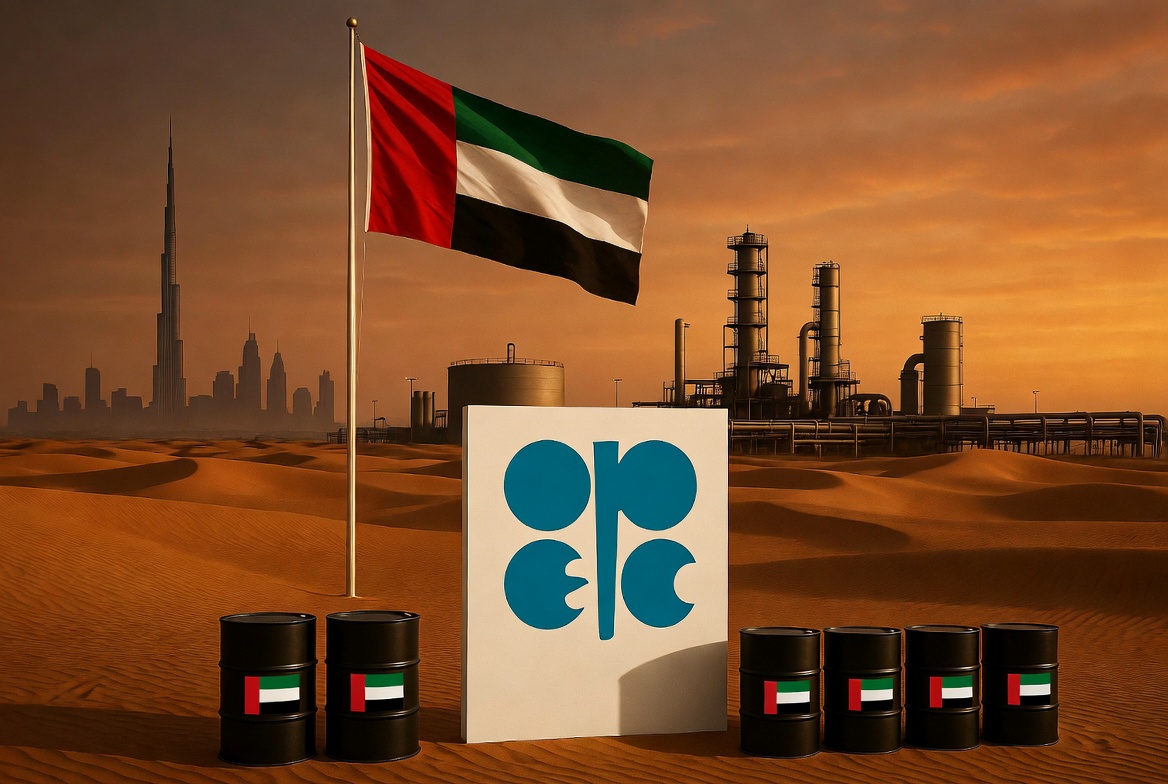
The United Arab Emirates stunned the energy world on Tuesday by announcing its exit from OPEC and OPEC+ effective May 1. This bold departure immediately drove oil prices higher as markets priced in reduced cartel coordination. Consequently, prediction markets experienced explosive activity centered on crude oil price trajectories through June and beyond. Traders now aggressively bet on whether benchmarks will hit $90 or higher amid shifting supply dynamics.
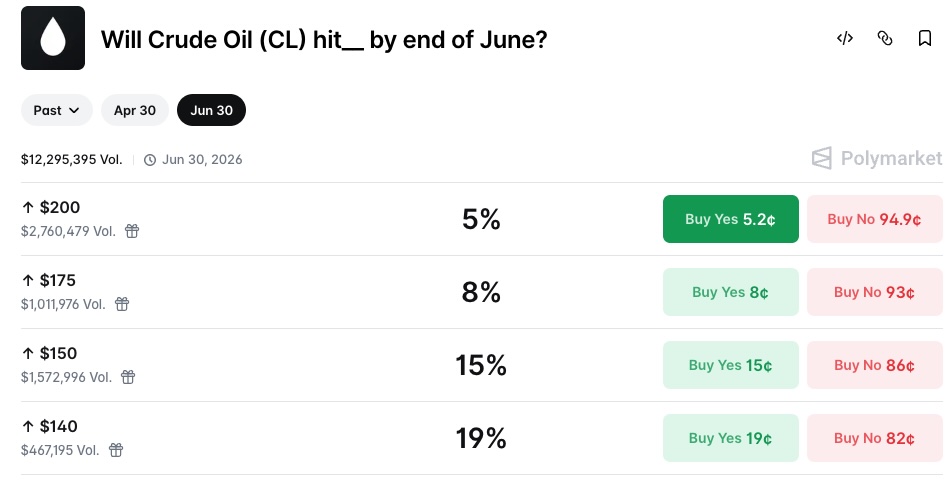
State media outlets carried the official confirmation via WAM, highlighting the country’s desire for production flexibility. Energy Minister Suhail Mohamed al-Mazrouei framed the move as a strategic realignment that prioritizes national priorities over quota restrictions. Therefore, the announcement created instant volatility that spilled directly into both physical oil markets and digital contracts tracking future prices.
UAE OPEC Exit Weakens Cartel Coordination Amid Ongoing Supply Challenges
UAE Energy Minister Suhail Mohamed al-Mazrouei described the decision as essential for adapting to evolving global energy demands. He stressed that the nation will maintain stable output while pursuing independent policies. As a result, the cartel loses a key producer that represents a significant number of barrels per day, thereby altering the balance of power within the group.
Officials timed the withdrawal to minimize immediate disruption yet still send a clear signal about future independence. Moreover, this step follows years of internal debates over capacity expansions and quota compliance. Prediction market participants quickly incorporated the news into their models, driving sharp movements in probability odds on platforms like Polymarket.
The exit compounds existing pressures from regional tensions that already constrain tanker flows through critical passages. Hence, the combined factors create fertile ground for sustained price exploration to the higher side. Traders monitoring these developments adjust positions continuously as new details emerge from sources such as Al Jazeera.
Key Timeline Following the UAE OPEC Exit Announcement
| Date | Event | Impact on Oil Markets |
|---|---|---|
| April 28 2026 | UAE Announces Exit | Oil prices surge over 3% |
| May 1 2026 | Exit Effective | Full Production Flexibility Begins |
| End of June 2026 | Key Price Threshold Date | High Volume in $90+ Contracts |
Oil Prices Surge as Traders React to Reduced Cartel Influence
Benchmark crude futures climbed sharply in the hours after the announcement reached trading floors. WTI crude moved toward the $90 range while Brent followed similar upward momentum, with prices recently hovering near $106. Nevertheless, some participants booked profits as prices approached resistance levels established earlier in the month.
The price action reflects concerns that cartel unity will weaken further without unified production caps. Consequently, buyers stepped in aggressively to secure supplies ahead of potential output increases. This dynamic pushed intraday volatility to levels not seen in recent weeks, as detailed in the New York Times.
Market data shows sustained buying interest even as the session progressed. Therefore, the initial surge established a new tone for energy trading heading into May. Prediction markets captured this sentiment through rapidly adjusting odds on near-term price targets.
Prediction Markets Explode With Activity on Crude Oil Reaching $90 by June
Contracts asking whether crude oil will reach $90 by the end of June attracted tens of millions in trading volume within the first day on Polymarket. Leading probabilities settled around 65 percent for the affirmative outcome as traders digested the cartel implications. Moreover, related markets on monthly highs and quarterly averages also saw record participation.
Bettors who anticipated shifts in supply flexibility entered positions early and continue to refine them based on live price feeds. As a result, these oil trajectory contracts now rank among the most active categories across platforms. The intensity underscores how policy announcements translate into immediate trading opportunities.
Geopolitical overlays tied to shipping routes add another layer of complexity that participants actively price. Hence, combined volumes in energy-related contracts have climbed dramatically since the news broke. This engagement demonstrates the speed at which markets incorporate fresh developments from outlets like The Guardian.
Top Oil Price Trajectory Contracts Post-UAE Exit
| Contract Question | Current Probability | Trading Volume | Resolution Date |
|---|---|---|---|
| Will WTI Crude Reach $90 by End of June? | 65% | $28 million | June 30 2026 |
| Will Brent Crude Average Above $95 in May? | 52% | $14 million | May 31 2026 |
| Highest Monthly Close Above $100 by July? | 41% | $9 million | July 31 2026 |
Supply Flexibility Becomes Central Focus After Cartel Departure
With formal quota obligations removed after May 1, the UAE can ramp production according to its own assessments of demand. Energy ministry statements reaffirm commitment to overall market balance. Still, the shift allows quicker responses to price signals that previously required group consensus, as explained in the Washington Post reporting.
Traders betting on higher near-term prices cite the potential for additional barrels to be delayed entering the market. Therefore, contracts extending into the second quarter reflect this cautious optimism mixed with volatility. The resulting environment rewards those who track developments closely.
Broader industry participants watch for any follow-on reactions from remaining OPEC members. Moreover, this independence could encourage similar moves that further erode coordinated policy. Prediction markets already price various scenarios around these possibilities.
This video breaks down the immediate consequences and ties them to current price action. Viewers gain a clearer perspective on why the announcement resonated so strongly with traders worldwide.
Geopolitical Factors Amplify Effects of the UAE OPEC Exit
Ongoing constraints in key maritime passages keep supply risks elevated even as the UAE prepares for independent operations. Prediction markets linking the exit to resolution timelines for these routes show correlated movements. Consequently, participants treat the issues as interconnected rather than isolated events.
Traders who combine energy fundamentals with geopolitical analysis find particular value in current contracts. As such, activity remains elevated around the clock. The interplay keeps odds fluid and creates continuous opportunities for repositioning.
Social media channels spread the news rapidly, as evidenced by this ABC News post detailing the cartel implications. Such updates influence sentiment and contribute to trading momentum across platforms.
Market Participants Position for Volatility Through Summer Months
Contracts extending beyond June continue to draw interest as the full effects of the exit materialize. Bettors assess scenarios ranging from quick supply additions to prolonged tightness. Therefore, the diversity of views sustains healthy two-way volume in longer-dated instruments.
Price action in traditional futures provides constant reference points that digital contracts mirror with remarkable speed. Moreover, this alignment enhances overall market transparency. Participants appreciate the ability to express nuanced opinions through granular outcome shares.
Industry sources monitoring cross-border flows note early signs of adjusted export schedules. Hence, the coming weeks promise additional data points that will shape probability curves. Prediction markets stand ready to incorporate each development in real time.
This segment explores trader strategies and potential price paths following the historic decision. It captures the passion surrounding these fast-moving events.
Trader Sentiment Remains Bullish on Near-Term Crude Oil Trajectories
Despite occasional pullbacks, the dominant view favors higher valuations driven by the cartel changes. Participants continue entering contracts that capture upside potential through June. Therefore, open interest builds steadily across the most liquid oil price markets.
Every official statement and production update now carries extra weight in shaping collective odds. Moreover, the speed of incorporation highlights the responsiveness of these trading venues. This environment creates an engaging experience for those following energy developments closely.
The UAE decision has injected fresh momentum into discussions about production independence and its effect on global balances. Prediction markets respond with impressive depth and precision. As May 1 approaches, trading intensity shows no signs of slowing.
References
- Reuters: UAE Leaves OPEC and OPEC+
- Al Jazeera: UAE Leaves OPEC in Blow to Oil Cartel
- Yahoo Finance: United Arab Emirates to Leave OPEC+ in May
- Polymarket Oil Predictions
- Gulf News: UAE to Exit OPEC
- Washington Post: UAE Says It Will Leave OPEC
- The Guardian Live Updates
- YouTube: UAE Quits OPEC and OPEC+
- ABC News Facebook Post
- YouTube: UAE Exits OPEC; Gas Prices Spike