Escalating tensions in the Middle East have triggered unprecedented activity in prediction markets. Traders place bets on outcomes ranging from oil supply disruptions to regime changes. Volumes have surged as investors seek to hedge against uncertainty. Platforms report record trading in contracts tied to the Iran conflict. This trend reflects broader economic anxieties stemming from the crisis.
Markets have reacted swiftly to military developments. Oil contracts show sharp price movements following strikes on Iranian targets. Currency-related bets gain traction amid fears of global financial realignments. Prediction markets aggregate collective wisdom on these events. Participants include institutional investors and individual traders alike.
Impact of Middle East Conflict on Oil Prices Bets in Prediction Markets
Oil prices have become a focal point for prediction market activity. Bets on Brent crude surpassing $100 per barrel have multiplied since the conflict intensified. Traders anticipate prolonged disruptions in the Strait of Hormuz. This chokepoint handles a significant portion of the global oil trade. Platforms that track energy futures see daily volumes in the millions.
Historical patterns suggest short-term spikes followed by stabilizations. Current bets factor in potential Iranian retaliations. Analysts note that each escalation drives contract prices higher. Investors use these markets to gauge real-time sentiment on supply risks. The surge indicates widespread concern over energy security.
Prediction markets offer insights beyond traditional exchanges. Contracts on oil price thresholds provide granular probabilities. Traders bet on scenarios like partial or full closures of shipping lanes. This activity highlights the conflict’s direct tie to commodity volatility. Economic models incorporate these odds for forecasting.
Global economies brace for inflationary pressures from higher oil costs. Bets reflect expectations of GDP impacts from sustained price increases. China, as a major importer, features prominently in related wagers. Market participants monitor U.S. production responses to offset shortages. The overall sentiment leans toward prolonged elevated prices.
Recent data shows oil-related contracts dominating trading volumes. Bets on prices hitting $140 per barrel gain traction in worst-case scenarios. Traders consider factors like Saudi output adjustments. Prediction markets serve as early warning systems for energy disruptions. This functionality attracts a diverse range of users seeking an edge in uncertain times.
Key Oil Price Threshold Bets in Prediction Markets
| Threshold | Current Probability (%) | Volume Traded ($M) | Shift Since Conflict Start |
|---|---|---|---|
| Brent > $100/bbl by April 2026 | 78 | 45 | +35% |
| Brent > $120/bbl by June 2026 | 52 | 28 | +42% |
| Strait of Hormuz Full Closure | 31 | 19 | +60% |
| U.S. Crude Surge to $90/bbl | 65 | 33 | +28% |
How Geopolitical Risks Fuel Wagers on Iran Regime Survival in Prediction Markets
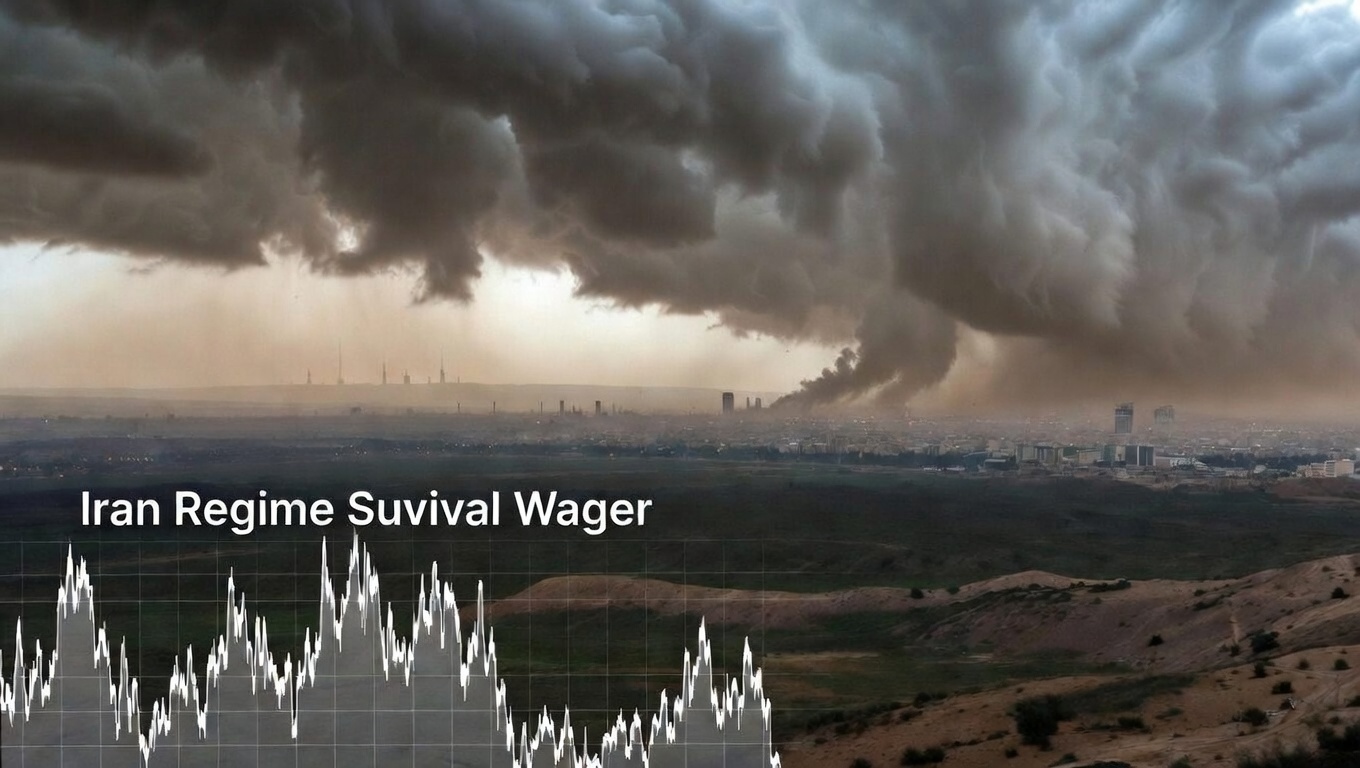
Contracts on the survival of Iran’s current regime have seen explosive growth. The best focus is on whether key leaders remain in power amid military actions. Traders assess probabilities based on strike outcomes and retaliatory capabilities. Platforms report multimillion-dollar positions in these markets. This reflects intense speculation on political stability.
Historical precedents inform current wagering patterns. Bets incorporate intelligence reports and media analyses. Participants weigh the likelihood of regime change versus resilience. Prediction markets aggregate diverse viewpoints on internal Iranian dynamics. The conflict’s progression directly influences contract pricing.
Ethical concerns arise from betting on human conflicts. Debates rage over the implications of such wagers. Some argue these markets provide valuable forecasting tools. Others worry about insider trading risks in sensitive areas. Regulatory scrutiny increases as volumes grow.
Traders monitor indicators like protest levels and military defections. Bets on specific timelines for leadership changes dominate. Platforms enforce rules to prevent manipulation. The surge in activity underscores the conflict’s high stakes. Investors use these odds to inform broader strategies.
According to a recent article on PolyPunter.com, fears of insider trading have emerged in Iran war-related bets. This highlights potential vulnerabilities in geopolitical wagering. Market operators respond with enhanced monitoring. Participants remain undeterred by controversies. The debate continues as trading persists.
Probability Shifts in Iran Regime Survival Bets
| Event | Initial Probability (%) | Current Probability (%) | Volume ($M) |
|---|---|---|---|
| Khamenei Out by End of 2026 | 15 | 48 | 55 |
| Regime Change Post-Strikes | 22 | 61 | 37 |
| No Change in Leadership | 70 | 32 | 42 |
| Internal Coup Probability | 10 | 29 | 21 |
Currency Shifts and Bets on China Overtaking USD Amid Geopolitical Volatility
Currency markets face upheaval from Middle East tensions. Bets on the Chinese yuan challenging USD dominance have intensified. Traders anticipate shifts in global reserve status due to the impacts of conflict. Prediction contracts on exchange rates reflect these expectations. Volumes in forex-related wagers have doubled recently.
China’s oil import dependency ties it closely to the crisis. Bets consider potential yuan strengthening against a volatile dollar. Analysts point to safe-haven flows influencing currencies. Prediction markets price in scenarios of accelerated de-dollarization. This trend gains momentum amid geopolitical risks.
Historical currency shifts during conflicts inform current bets. Traders evaluate China’s strategic reserve expansions. Wagers on the yuan overtaking the USD in trade settlements surge. Platforms track probabilities of milestone achievements. The conflict acts as a catalyst for these discussions.
Economic models incorporate oil price effects on currencies. Bets reflect expectations of inflation differentials between nations. China markets show resilience compared to peers. Prediction odds suggest gradual shifts in global financial power. Investors hedge portfolios based on these insights.
Broader Economic Implications of Prediction Market Shifts in Geopolitical Contexts
Global equities experience volatility tied to developments in the Middle East. Prediction markets signal potential recession risks from energy shocks. Traders bet on interest rate adjustments in response to inflation. Platforms provide forward-looking data on economic resilience. This information guides policy and investment decisions.
Safe-haven assets like gold and Treasuries see increased wagering. Bets on dollar strength amid uncertainty dominate. Emerging markets face outflow risks in these scenarios. Prediction contracts help quantify broader impacts. The conflict reshapes economic outlooks worldwide.
Inflation fears drive bets on central bank actions. Traders anticipate fewer rate cuts due to energy prices. U.S. markets weigh the benefits of domestic production. Prediction odds reflect mixed economic signals. Participants adjust strategies based on evolving data.
Chinese assets demonstrate relative stability in turbulent times. Bets on AI and diversification bolster confidence. Prediction markets highlight opportunities amid risks. Global investors seek shelter in resilient sectors. The overall narrative points to cautious optimism.
Ethical and Regulatory Debates Surrounding Geopolitical Bets in Prediction Markets
Controversies surround wagering on conflicts and regimes. Debates focus on the moral implications of profiting from crises. Platforms face calls for stricter oversight on sensitive topics. Traders argue for the informational value of these markets. Regulators balance innovation with ethical boundaries.
A PolyPunter.com article details Reddit discussions on military conflict bets. Users express divided opinions on acceptability. Some view it as akin to insurance markets. Others decry potential desensitization to human suffering. The conversation influences platform policies.
Insider trading risks prompt enhanced verification measures. Bets on Iran outcomes draw particular scrutiny. Market integrity remains a priority for operators. Participants demand transparency in resolutions. Regulatory frameworks evolve to address these challenges.
Prediction markets continue to expand despite debates. Geopolitical events fuel innovation in contract designs. Traders navigate ethical landscapes carefully. Platforms emphasize educational resources on risks. The sector adapts to maintain credibility.
Future regulations may shape the scope of allowable bets. Stakeholders advocate for responsible growth. Prediction markets offer unique insights into complex events. Balancing utility with ethics defines the path forward. Ongoing dialogues ensure sustainable development.
References
- What Geopolitical Risk In The Middle East Means For Investors – Forbes
- The Impact of the Iran Conflict on Equity and Oil Markets – LPL Financial
- Chinese Markets Weather Iran War Turmoil Better Than Asian Peers – Yahoo Finance
- How war in the Middle East is reshaping energy markets, stoking inflation fears, and testing the resilience of the global economy – HBKS Wealth Advisors
- Lingering geopolitical uncertainty requires a crude rethink | articles – ING Think
- Weekly: Geopolitical Tensions and Oil Shock Weigh on Markets – Bethesda Wealth Planning Group
- Markets shift into defense mode as Iran conflict jolts oil, equities, and trading oversight debate – Investment News
- Iran War EXPLODES Oil Prices — How Will the War Inflation Impact China? – YouTube
- Oil Surge Spooks Markets as Iran War Escalates | The China Show 3/9/2026 – YouTube
- Iran War Bets Spark Insider Trading Fears on Polymarket – PolyPunter.com
- Redditors Debate Ethical Implications of Wagering on Military Conflicts in Prediction Markets – PolyPunter.com
- Prediction market bets on Iran conflict, Guthrie raises ethics concerns – YouTube