
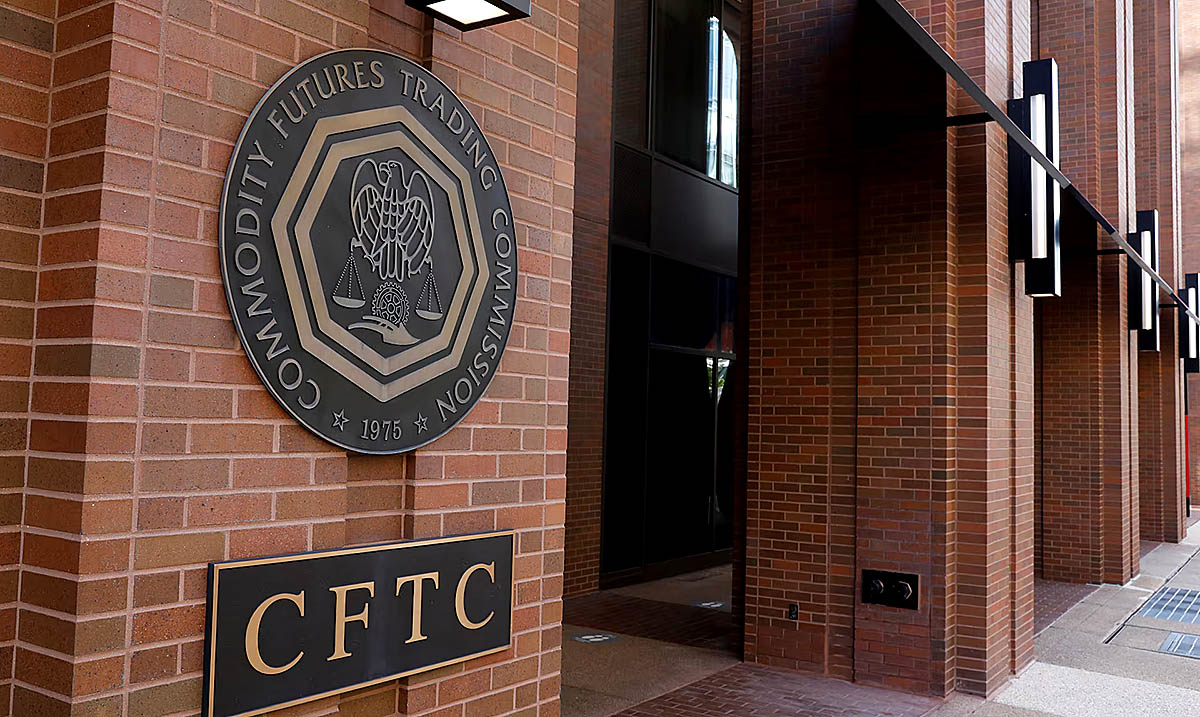
The recent close of the comment period on the Commodity Futures Trading Commission’s notice of proposed rulemaking for event contracts has unleashed more than 1,400 filings that expose a deep division. Prediction market operators and individual traders press for clearer guidance to allow markets to expand under federal rules, while state attorneys general, sports league officials, tribal representatives, and a principal architect of the underlying statute push back against what they view as overreach. The conversations primarily focus on the settlement-based test for determining when a contract “involves” gaming or other restricted activities. They repeatedly return to sports outcomes and the boundary with traditional wagering.
Kalshi, the leading regulated prediction market and source of more than 85% of certified event contracts in the U.S., filed multiple letters largely endorsing the proposal. The firm argues the settlement-focused approach ends earlier uncertainty by examining the underlying event rather than trading activity. Kalshi defends player-performance contracts tied to league-published statistics as tools that create real hedging value for businesses ranging from broadcasters to local hospitality operators.
Polymarket US shares this enthusiasm, describing its markets as information engines that deliver price discovery and risk management. The U.S. offshoot of Polymarket exchange urges the Commission to keep reviews focused on manipulation risks and settlement integrity rather than on open-ended social-desirability judgments. Voices from Underdog, Sporttrade, ProphetX, Rothera, DraftKings, and FanDuel reinforce the call for clear distinctions between aggregate sports outcomes grounded in objective data and higher-risk, lower-objective-analysis offerings, such as injuries or discrete in-game actions. They accept tighter integrity measures and improved information sharing as long as the core path for sports event prediction markets stays open.
In short, the response comments align with the expected incentives of the parties participating in the process.
Industry Support for Settlement Tests and Contract-by-Contract Reviews
Operator letters consistently praise the proposal’s three-step inquiry: confirming an event contract, testing whether settlement turns on an enumerated activity, and applying public-interest factors. Kalshi stresses that an intent- or design-based filter would wrongly sweep in contracts settling on commercial measurements or official statistics. Polymarket US notes that designated contract markets already act as the first line of defense under existing core principles, making broad categorical bans unnecessary.
The Coalition for Prediction Markets, whose members include Kalshi, Robinhood, and Underdog, backs the contract-by-contract public-interest review as consistent with the Commodity Exchange Act. The group recommends revising the proposed definition of “gaming” to apply only to traditional casino-style games, leaving room for prize contests and similar events. Individual traders, many following templates aligned with Kalshi’s advocacy tools, fill a large share of the comments docket and repeatedly ask the agency to preserve access to mainstream sports contracts based on final scores, point spreads, and season results while recognizing the dangers of unregulated offshore alternatives. A clever but not unexpected ploy by Kalshi to make supportive public comments easy.
Established derivatives houses strike a more measured tone. CME Group warns that a purely settlement-focused test could blur the line between regulated derivatives and sports wagers that resolve on identical game results. CME Group seeks explicit confirmation that self-certification procedures remain unchanged for contracts falling outside the special rule. Intercontinental Exchange (ICE) supports responsible innovation yet asks the Commission to clarify that public-interest reviews will not duplicate obligations already imposed by core principles on manipulation and settlement integrity.
By highlighting objective league data and commercial hedging needs, operators position sports event contracts as instruments that serve genuine economic purposes. At the same time, they accept heightened scrutiny of markets vulnerable to insider influence, signaling a willingness to live with targeted restrictions if the overall sports-event contract market remains open. Several also requested clearer milestones in the 90-day review, consolidated handling of related contracts, and optional informal staff guidance before formal certification.
Strong Opposition from Lawmakers, States, and Sports Organizations
Former U.S. Senator Christopher Dodd, a principal architect of the Dodd-Frank Act, delivers one of the sharpest critiques. In his July 26 letter, he asserts that the proposal contradicts both the language and the intent of the statute. Congress added the special rule, Dodd writes, precisely to stop swaps from enabling sports wagering and similar activity. The definition of “gaming,” Dodd contends, was meant to capture gambling, not to open a federal channel that overrides state laws or the Indian Gaming Regulatory Act. He urges the Commission to rescind the rule entirely and prohibit illegal gaming on regulated exchanges.
A bipartisan coalition of now 44 state attorneys general joins the call for withdrawal. Led by Ohio’s attorney general, the group argues the proposal exceeds statutory authority, conflicts with constitutional principles, and would prove arbitrary and capricious. Sports bets and gambling, they insist, remain subject to state law; federal preemption would erode consumer protections, licensing regimes, and carefully built tax revenues. Pennsylvania’s Gaming Control Board and Arizona’s Department of Gaming individually echoed the same state-sovereignty concerns.
Sports league officials raised integrity alarms that go beyond legal technicalities. The National Football League states that the rules “fall significantly short” of needed protections. Major League Baseball’s Quest Meeks noted that contracts on an athlete’s personal affairs, personnel decisions, press-conference remarks, or celebrity sightings can still threaten league interests even if they fall outside the proposed gaming definition. The National Basketball Association, Major League Soccer, and the NCAA demand stronger information-sharing protocols, robust know-your-customer (KYC) requirements, and league control over markets linked to their competitions. Player associations highlighted athlete welfare, urging bans or heavy scrutiny on injury-related contracts that could invite harassment.
Tribal organizations from multiple nations reinforced the theme of sovereignty. They argue that sports event contracts constitute gaming under the Indian Gaming Regulatory Act and tribal-state compacts. Allowing them on federal exchanges, they say, would undercut revenues that fund essential services and invite competition free of IGRA compliance.
Ongoing litigation in several jurisdictions underscores the stakes these groups see. Former CFTC Chairman Timothy Massad adds that the agency has “lost its way” by stepping into sports-betting regulation, a role Congress never assigned and for which the Commission is poorly suited. Consumer advocacy organizations, including Better Markets and Public Citizen, warn that the gaming definition could open doors to election-related contracts they believe should be barred as contrary to the public interest.
Integrity Concerns and Jurisdictional Boundaries
Nearly every major submission returned to the practical question of how markets will settle and stay clean. Live sports data providers such as Sportradar stress the need for reliable official sources, continuous monitoring, and formal information-sharing arrangements among exchanges, leagues, and the Commission. Operators who support sports contracts generally accept restrictions on player injuries, officiating decisions, and youth sports, recognizing that these areas pose elevated risks of manipulation and social harm.
Jurisdictional friction surfaced repeatedly in the comments. Industry voices celebrate the Commodity Exchange Act’s exclusive federal reach and urged the Commission to defend it vigorously against state and tribal challenges. Opponents counter that the statute never contemplated a nationwide sports-wagering market operating outside existing licensing systems. The resulting dialogue highlights a genuine policy collision rather than mere technical disagreement.
Non-sports contracts also drew targeted input. Music-market operators argue that charts and stream counts are consumption statistics, not games, and therefore serve the public interest when well designed. Aviation, vehicle-market, and litigation-outcome platforms similarly seek recognition that objective, officially determined events fall outside restricted categories. These specialized voices illustrate how the proposal’s settlement test could enable innovation beyond sports while still guarding against the enumerated activities.
Taken together, the comments paint a picture of an industry eager for predictable rules that allow growth under federal supervision, set against a states-led, determined coalition intent on keeping sports-related activity within state gaming and tribal systems. The Commission will now weigh these competing claims as it moves toward a final rule. The volume and intensity of the 1,400+ comments in the record leave little doubt that event-contract regulation will remain a political and legal flashpoint.
References
- Kalshi, Polymarket and Other Exchanges Push CFTC for Clearer Event Contract Rules – DeFi Rate
- Dodd, NFL and 44 AGs Weigh In on CFTC Prediction Market Rule – Gambling Insider
- Sport Leagues, States Urge CFTC to Modify Prediction Market Rule – Bloomberg Law
- CFTC Gets Eyeful of Feedback on Sports Prediction Market Rules – Covers
- Prediction Market Rule Comments Put Sports Event Contract Debate Back Before CFTC – DeFi Rate
- Christopher Dodd Comment Letter – Regulations.gov
- Coalition for Prediction Markets Comment Letter – Regulations.gov
- Prediction Markets; Public Interest Determinations Docket – Regulations.gov
- 44 States Say CFTC Has No Authority Over Sports Prediction Markets – CNBC
- CFTC Prediction Market Proposal Gains Support From Industry Coalition – Crypto Times
- Dodd-Frank Architect Says CFTC’s Prediction Market Rule Misreads The Law – Next Event Horizon
- Coalition For Prediction Markets Makes Case To CFTC – Legal Sports Report
- Game Plan or Game Changer? The CFTC Proposes New Rules – Katten
- CFTC Proposes Comprehensive Framework for Public-Interest Review – Holland & Knight
- 10 Takeaways from the CFTC Event Contracts Proposed Rulemaking – WilmerHale