In a move that has captured widespread attention, Polymarket has quietly archived one of its darker market areas that allowed users to wager on the potential detonation of nuclear weapons. This decision comes on the heels of mounting criticism from various quarters, highlighting the delicate balance between innovative wagering mechanisms and ethical boundaries amid global tensions. The removal of these contracts, which had attracted significant trading activity, underscores the growing scrutiny on platforms that facilitate bets on sensitive geopolitical events.
Understanding the Nuclear Detonation Markets and Their Sudden Removal
The markets in question enabled participants to place yes-or-no wagers on whether a nuclear weapon would be detonated by specific dates, such as March 31, June 30, or before the end of 2027. These contracts had been active for an extended period, drawing in substantial volumes that reflected heightened interest amid ongoing international conflicts. For instance, one prominent market titled “Nuclear weapon detonation by…?” amassed over $838,000 in trading volume before its archiving, while another related to U.S. nuclear tests by March 31, 2026, saw $406,536 in activity.
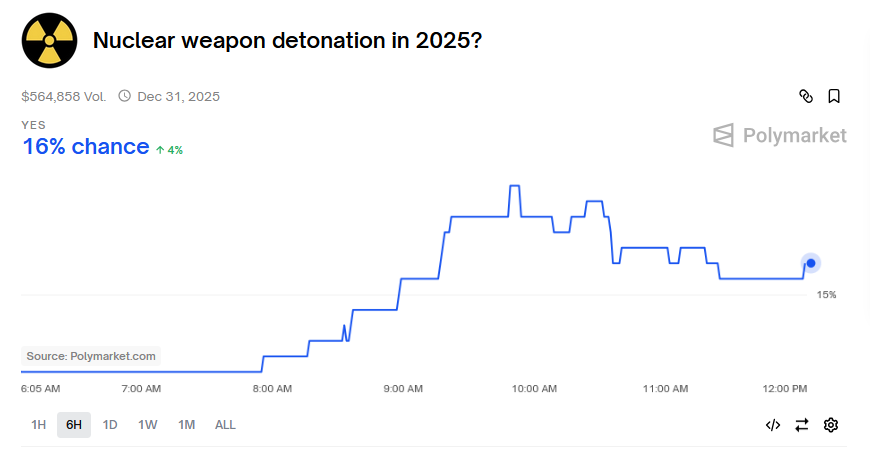
Prior to their removal, these markets displayed probabilities that fluctuated in response to real-time events. Just hours before the archiving, Polymarket shared on social media a 22% probability of a nuclear detonation occurring by the end of the year, a figure that ignited immediate backlash. This post served as a catalyst, amplifying concerns about the implications of such wagers amid heightened geopolitical risks, particularly regarding Middle East conflicts.
The platform’s decision to pull these markets was made without a formal announcement, prompting speculation about the internal deliberations that prompted the action. Observers noted that the URLs previously hosting these events now redirect to pages stating, “This event has been archived,” effectively halting all further trading and resolutions. This swift response suggests a recognition of the potential reputational damage and regulatory pressures building against such controversial offerings.
Public Outcry and Political Criticism Fuel the Fire
The backlash against these nuclear-related wagers was swift and multifaceted, encompassing social media users, analysts, and lawmakers. Critics argued that allowing bets on catastrophic events like nuclear detonations not only trivializes potential human tragedies but also risks incentivizing harmful behaviors or exploiting sensitive information.
One lawmaker described the practice as “worse than insider trading,” emphasizing how such markets could enable individuals with privileged knowledge to profit from military or geopolitical developments. This sentiment echoed across platforms, with social media posts decrying the moral implications of monetizing scenarios tied to war and destruction. For example, discussions highlighted fears that these wagers could indirectly influence real-world decisions or provide a venue for unethical gains.
Amid the current tensions involving strikes on Iran, the timing of the markets’ removal added another layer of complexity. Recent events, including suspicions of insider trading on related bets—where anonymous accounts netted significant profits shortly before key military actions—intensified the debate. Platforms like PolyPunter have detailed how these incidents have sparked fears of classified information misuse, further eroding public trust in such wagering systems.
The outcry was not limited to ethical concerns; it also touched on legal ramifications. With regulatory bodies already proposing bans on certain types of event contracts, including those related to war, the nuclear markets became a focal point for broader discussions on oversight and accountability.
Key Market Metrics and Trading Volumes: A Summary Table
| Market Title | Trading Volume | Probability Before Removal | Resolution Dates |
|---|---|---|---|
| Nuclear Weapon Detonation by…? | $838,000 – $1.7M | Up to 22% | March 31, June 30, End of 2026, Before 2027 |
| U.S. Nuclear Test by March 31, 2026 | $406,536 | N/A | March 31, 2026 |
| Overall Nuclear Category Markets | Over $1.2M Combined | Varied (e.g., 19% peak) | Various Ongoing |
This table encapsulates the scale of engagement with these markets, illustrating the financial stakes involved and the rapid accumulation of interest that preceded their archiving. Such data points reveal how quickly these wagers can gain traction, especially when aligned with real-time global events.
Platform’s Strategic Response and Immediate Aftermath
In response to the escalating criticism, Polymarket opted for a low-profile archiving of the contentious markets, a tactic that allowed the platform to mitigate further controversy while maintaining operational continuity in other areas. This approach contrasts with more public resolutions in the past, suggesting a calculated effort to de-escalate the situation.
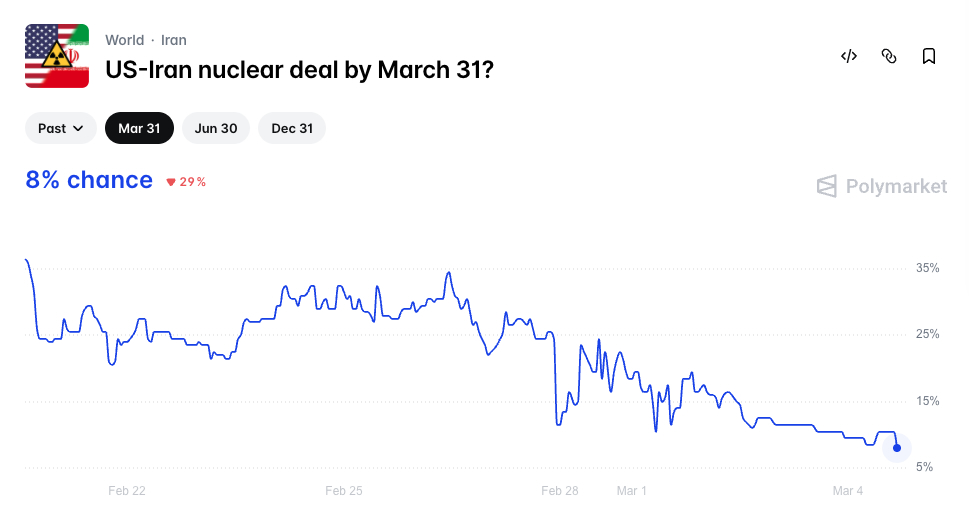
Following the removal, attention shifted to remaining nuclear-themed contracts on the platform, such as those concerning Iran’s nuclear program or potential U.S.-Iran deals. For instance, markets like “Iran agrees to end enrichment of uranium by March 31?” and “US-Iran nuclear deal by March 31?” continue to operate, with probabilities hovering around 11% and monthly volumes exceeding $1 million. These ongoing offerings indicate that while specific detonation bets were deemed too provocative, broader geopolitical wagers remain viable.
The aftermath has seen a mixed reaction: some users lamented the loss of these markets as a blow to open forecasting, while others praised the decision as a step toward responsible platform management.
Reports from PolyPunter highlight how similar resolutions in the wake of U.S. strikes on Iran have ignited fresh trading in ceasefire and diplomacy contracts, demonstrating the adaptive nature of these ecosystems.
Broader Implications for Geopolitical Wagering and Ethical Boundaries
The incident raises profound questions about the role of wagering platforms in sensitive arenas like international conflicts. By enabling bets on nuclear events, these systems inadvertently enter the realm of moral hazard, where financial incentives could intersect with real-world risks in unpredictable ways.
Experts have pointed out that while historical nuclear markets often resolved to “No,” the current climate—marked by heightened tensions—amplifies the potential for misuse. The fear of insider trading, as evidenced by recent profitable bets on regime changes and strikes, underscores the need for enhanced transparency and safeguards. According to analyses on PolyPunter.com, monthly volumes surpassing $13 billion amid such concerns signal a booming sector grappling with its own growth pains.
Furthermore, this event may influence regulatory landscapes. With bodies like the CFTC proposing bans on war-related contracts, the archiving could preempt stricter interventions, preserving space for less controversial wagers. The balance between innovation and ethics remains a pivotal challenge, as platforms navigate public sentiment and legal frameworks.
Voices from Stakeholders: Diverse Perspectives on the Debate
Stakeholders across the spectrum have weighed in, offering insights that enrich the discourse. Market analysts argue that these wagers provide valuable probabilistic data on global risks, potentially aiding in better-informed decisions. Conversely, critics contend that the monetization of catastrophe crosses an unacceptable line, risking desensitization to grave threats.
Social media reactions, as captured in recent posts, reflect this divide. One user noted the shock of seeing markets that could “monetize a nuclear attack,” while others defended the practice as a form of aggregated wisdom. Lawmakers’ involvement adds a political dimension, with calls for investigations into how such platforms handle sensitive topics.
Industry observers suggest that this backlash could lead to self-regulatory measures, such as community guidelines or automated filters for high-risk events, to sustain user trust.
Historical Parallels and Lessons Learned
This is not the first time wagering platforms have faced scrutiny over controversial markets. Past instances, such as bets on leadership ousters or military operations, have similarly drawn ire, leading to resolutions that reshape offerings. For example, a trader’s $553,000 profit on a regime-change bet echoed current insider-trading fears, prompting similar debates.
Learning from these parallels, platforms may increasingly prioritize ethical reviews before launching markets, balancing user demand with societal impacts. The evolution seen in sports and election wagers—now integrated with mainstream betting—could serve as a model, though geopolitical topics present unique challenges.
Looking Ahead: The Future of Sensitive Event Wagering
As the dust settles, the future of wagering on nuclear and similar events hangs in the balance. Will platforms like Polymarket reinstate modified versions, or will this mark a permanent shift away from such high-stakes topics? The ongoing presence of related markets, such as those on nuclear deals, suggests a nuanced approach rather than a blanket retreat.
Regulatory developments will play a crucial role, potentially fostering environments where innovation thrives without compromising ethics. For participants, this episode serves as a reminder of the interconnectedness between digital wagers and real-world consequences, urging more mindful engagement.
Polymarket’s decision to pull nuclear detonation bets amid backlash represents a pivotal moment in the intersection of technology, finance, and global affairs. It invites reflection on the boundaries of permissible wagering, ensuring that progress does not come at the expense of humanity’s shared values. As discussions continue, the sector’s adaptability will determine its long-term viability and acceptance.