One of the oldest business axioms is that every threat is also an opportunity. It’s judo. How do you turn what is coming at you as an attack and leverage it to your benefit?
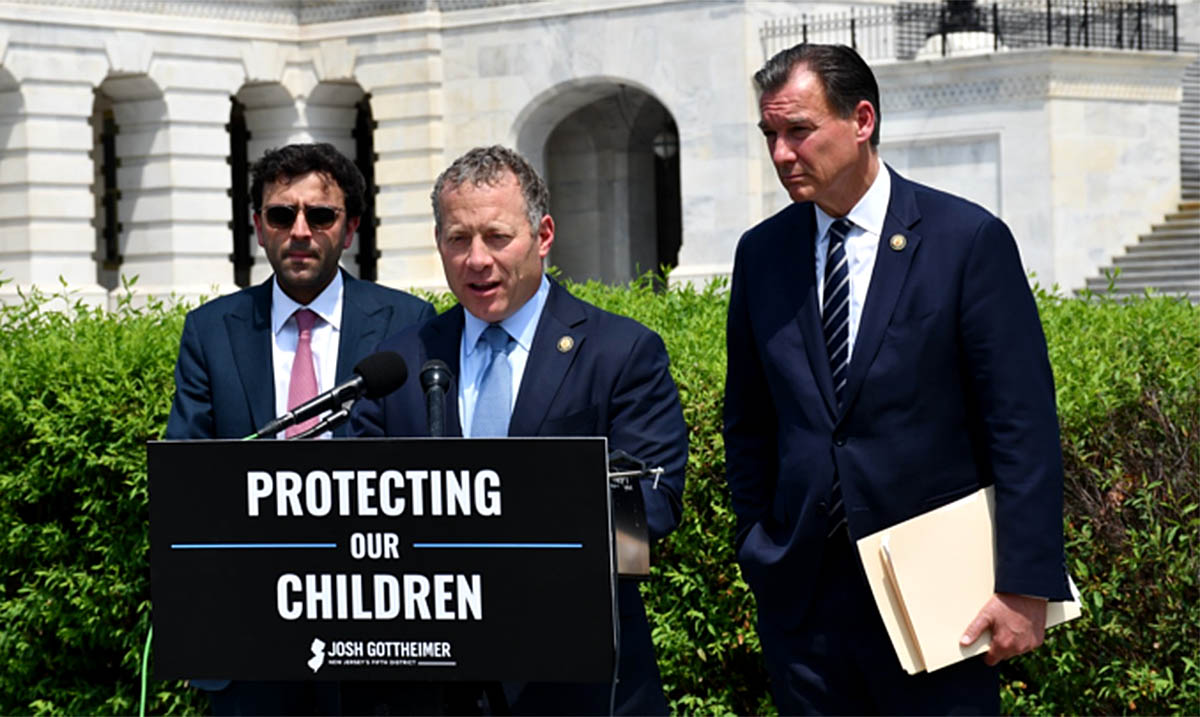
Lawmakers rolled out a bipartisan measure last week promising stronger shields for young people against online trading platforms, yet gaming lawyer Daniel Wallach is sounding the alarm over what he calls a clever regulatory maneuver. Standing next to Congressman Josh Gottheimer at the introduction, Kalshi CEO Tarek Mansour hailed the effort as essential for setting an industry-wide standard. However, Wallach contends that buried language in the 27-page text could clear a smoother path for the CFTC to green-light sports-event contracts and casino-style gaming contracts.
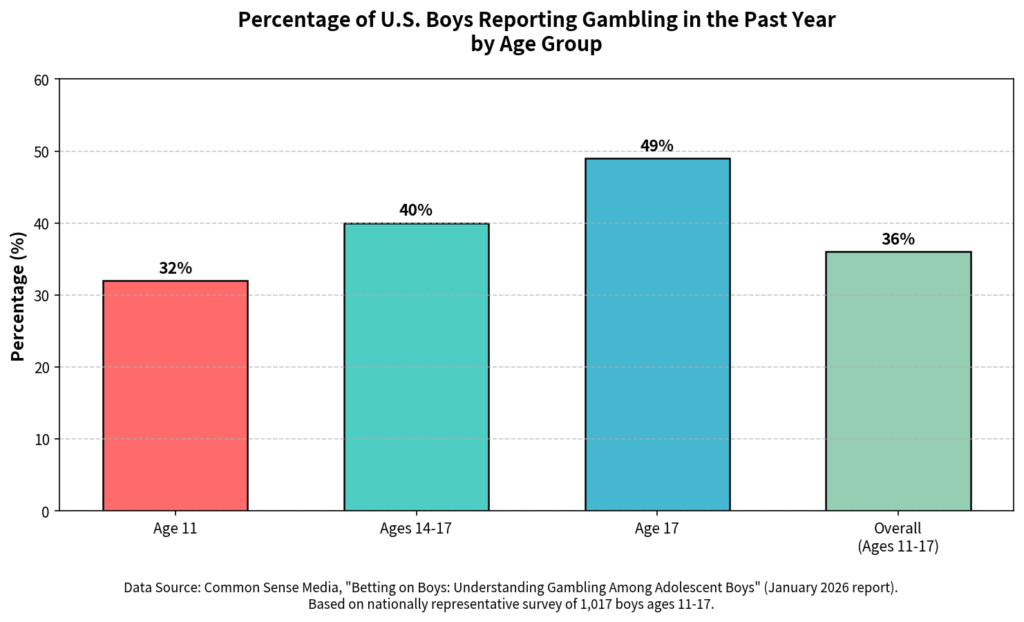
The announcement arrives amid rising concern over youth exposure. Common Sense Media research reveals that 36% of boys aged 11 to 17 gambled in the past year, with the figure climbing to 40% for those aged 14 to 17. Gottheimer described the current setup as an honor system that lets minors easily access accounts belonging to parents or older siblings. Meanwhile, ParentsRISE welcomed the focus on concrete safeguards, pointing to the fast growth of real-money trading tools that reach young audiences.
Wallach first detailed his concerns in a post on X, zeroing in on wording shifts he believes create an opening around long-standing limits. Kalshi has stayed silent on those specific claims when asked for comment.
Age Verification Rules at the Heart of the Facial Recognition to Protect Children Act
Congressman Josh Gottheimer introduced the Facial Recognition to Protect Children Act on July 15, 2026, joined by co-sponsors Jeff Van Drew, Ritchie Torres, Kristen McDonald Rivet, Jimmy Panetta, Thomas Suozzi, and Darren Soto. The central mandate requires operators of wagering platforms and prediction market platforms to use commercially available facial recognition technology that estimates age from facial structure and patterns. Traders must pass this check at login or before completing any trade; the bill forbids the system from retaining identity or biometric information beyond the verification moment.
Gottheimer underscored the existing gaps during the rollout. “We’re asking our kids to self-police their way past a system built entirely on the honor code,” he said, stressing how simply a minor can borrow an account. Kalshi CEO Tarek Mansour reinforced the message, calling child protection a top priority and noting that Kalshi already goes beyond minimum requirements with its own tools. He insisted the duty must become standard across the entire industry rather than falling on any single company.
ParentsRISE, working to shield children from technology-related harms, expressed support and flagged partnerships that pull real-money markets into social platforms. Co-sponsors including Van Drew and Torres framed the bill as sealing loopholes that leave minors vulnerable. The legislation also weaves age verification into anti-money laundering steps for event contracts offered to retail traders.
Although the age-check provisions dominate public discussion, the bill extends deep into the Commodity Exchange Act. That expansion is precisely what triggered Wallach’s critique and the current accusations.
Subtle Wording Changes Opening Pathways for Sports and Gaming Event Contracts
Wallach focused on amendments to the Commodity Exchange Act that alter how the CFTC judges event contracts. Existing rules let the commission restrict markets involving terrorism, assassination, war, violence, unlawful activity, and gaming. The new text allows the CFTC to decide case by case that an event contract runs contrary to the public interest if it is based on those categories.
He singled out the move from “involving” to “based on” as critical. Wallach explains that the revised phrasing limits automatic barriers mainly to contracts whose foundation is gaming itself, such as a World Series of Poker result. Sports-event contracts and wider casino-style products could then pass review with greater ease. In follow-up comments, he observed that the change would effectively set aside the current CFTC Rule 40.11(a) prohibition and replace it with discretionary authority.
Wallach also flagged language that ties “contrary to the public interest” to contracts materially encouraging violence or similar unlawful activity. He called this an easy backdoor for approving both sports-event contracts and casino gambling event contracts:
“For a bill that’s titled ‘Facial Recognition to Protect Children Act,’ it seems odd that the word ‘facial’ appears only one time in the body of the 27-page bill. The ‘for other purposes’ language in the bill’s preamble is doing an awful lot of heavy lifting. Burying the lede.”
The complete bill text confirms the overhaul, adding provisions for public-interest reviews, stronger certification, financial penalties, risk disclosures, and a new advisory council on consumer protection. As a result, the child-safety framing sits atop a substantial rewrite of event-contract oversight.
These adjustments surface while Kalshi faces ongoing state-level disputes over its offerings, specifically its sports prediction market contracts, giving the federal language extra weight for future contract listings.
Campaign Contributions and Lobbying Activity Raising Additional Questions
Wallach noted that several sponsors have received donations linked to Kalshi. Records indicate Tarek Mansour donated $7,000 to Gottheimer, Rivet, Panetta, and Suozzi, while co-founder Luana Lopes Lara donated $7,000 to Soto. The pattern has sharpened scrutiny of possible influence, especially given the company’s expanding political footprint.
Kalshi devoted over $1 million to lobbying last year, trailing only the American Gaming Association and the Gila River Indian Community among gaming-related organizations. Significant payments included $430,000 to one firm working on a CFTC rule proposal. Consequently, the platform’s growing Washington presence has drawn attention from those tracking the overlap between prediction markets and traditional gaming interests.
Gottheimer’s office issued a detailed statement outlining the bill’s child-safety aims and featuring quotes from multiple co-sponsors. Mansour’s appearance at the introduction highlighted Kalshi’s public backing of the age-verification rules. Yet the company’s lack of reply to Wallach’s specific allegations leaves the backdoor concerns unanswered..
What the Changes Could Mean for Traders and Future Oversight
If the bill becomes law, platforms would apply uniform facial-recognition checks while the CFTC gains clearer case-by-case power over event contracts. Traders would encounter new verification steps at login or trade time, yet Wallach believes the revised public-interest test favors Kalshi’s desire for broader listings.
Supporters keep stressing the youth-protection statistics and the need for shared standards. Gottheimer has urged every sportsbook and prediction market platform to adopt the approach without exception. Meanwhile, the detailed amendments stay open for public review.
The measure is still advancing through Congress. Interested readers can compare the original reporting that raised the accusations against the official press materials and legislative language. Ultimately, the balance between protecting minors and enabling new contract types will influence how lawmakers, regulators, and platforms move forward in the coming months.
References
- Kalshi Accused of Using Child Protection Bill to Push Gaming Contracts – CasinoBeats
- RELEASE: To Protect Children, Gottheimer Introduces New Bipartisan Bill
- Daniel Wallach post on X highlighting bill language
- H.R.9706 – Facial Recognition to Protect Children Act full text
- Casino & Prediction Market Lobbying Ramps Up
- Betting on Boys: Understanding Gambling Among Adolescent Boys – Common Sense Media
- Gottheimer introduces bill requiring facial ID for prediction markets – The Hill

The PolyPunter staff works tirelessly to bring you the latest and most insightful news, information, and tips on the fast-growing economic, financial, and social phenomenon that is prediction markets.