
Prediction markets have evolved into a dynamic sector in which platforms facilitate trading across diverse outcomes, fostering a new ecosystem of financial activity. Platforms such as Polymarket and Kalshi are leading this transformation, with substantial valuations that reflect their rapid expansion. Investors pour billions into these entities, drawn by the promise of high returns amid fluctuating event probabilities. Entrepreneurs from younger generations flock to this space, launching ventures that capitalize on market inefficiencies. Regulatory bodies scrutinize these developments, weighing innovation against potential risks. The industry continues to mature, blending technology with speculative trading in unprecedented ways.
The Surge in Platform Valuations and Market Volumes
Polymarket and Kalshi have achieved valuations exceeding tens of billions, underscoring investor confidence in their business models. Polymarket secured significant funding, propelling its worth to around $9 billion following major investments. Kalshi follows closely, with a valuation of nearly $11 billion following recent capital infusions. These figures stem from explosive growth in trading volumes, where weekly bets often surpass $2 billion across both platforms. The Super Bowl event alone generated over $1 billion in daily volumes, highlighting the scale of engagement. Such metrics indicate a shift toward mainstream adoption, as traditional financial players take notice. The combined market activity now rivals established derivatives exchanges in certain periods.
Gen Z entrepreneurs drive much of this momentum, founding startups that integrate blockchain and real-time data analytics. These innovators view prediction markets as opportunities to democratize forecasting through decentralized systems. Platforms attract talent by offering tools for creating custom markets at niche events. Venture capital flows support this trend, with firms like Jump Trading acquiring stakes in leading platforms. The sector’s appeal lies in its blend of technology and speculation, appealing to a demographic comfortable with digital assets. As volumes climb, these entrepreneurs position their ventures for long-term dominance.
Polymarket and Kalshi have combined valuations hitting $20 billion and volumes reflecting exponential growth. These numbers stem from increased user participation, particularly during high-profile events. Investors anticipate further expansion as platforms diversify offerings beyond traditional categories. The data underscores how prediction markets spawn ancillary services, from liquidity provision to analytics tools. Entrepreneurs leverage these metrics to attract funding, fueling innovation cycles.
Gen Z Entrepreneurs Fueling Innovation in the Prediction Markets Trading Industry
Young billionaires helm Polymarket and Kalshi, embodying the Gen Z entrepreneurial spirit that propels the sector forward. Shayne Coplan, Polymarket’s CEO at 27, and Tarek Mansour, Kalshi’s leader at 29, represent this wave of talent. Their rivalry drives competition, with each platform vying for market share through unique features. Coplan’s offshore approach contrasts with Mansour’s regulatory compliance strategy, creating diverse paths for growth. This dynamic attracts more young founders, who launch complementary tools like trading bots and analytics dashboards. The sector’s low barriers to entry encourage experimentation, leading to novel applications. For instance, platforms now integrate social media feeds to create real-time markets.
Gen Z’s affinity for gamified finance accelerates adoption, as seen in partnerships with influencers and sports leagues. Entrepreneurs capitalize on this by developing mobile-first interfaces that simplify trading.
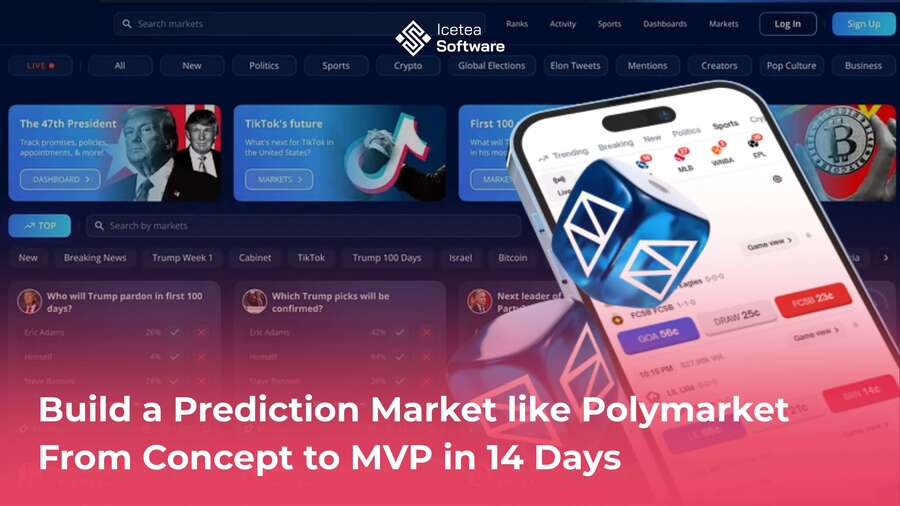
The result is a burgeoning ecosystem where startups provide liquidity, resolution oracles, and risk management services. These ventures often secure funding from established players, blending traditional capital with crypto-native investments. The influx of talent ensures continuous evolution, addressing user pain points like liquidity and discovery. As the industry matures, these entrepreneurs shape its trajectory toward greater integration with mainstream finance.
One notable example involves platforms like Noise, where users bet on cultural trends, expanding the scope beyond politics and sports. Gen Z founders prioritize user engagement by incorporating features such as copy-trading and social sharing. This approach transforms prediction markets into social networks with financial stakes. Entrepreneurs also explore DeFi integrations to enable leveraged positions on outcomes. The innovation pipeline remains robust, with new entrants challenging incumbents through superior technology. Regulatory navigation becomes a key skill, as young leaders advocate for frameworks that support growth.
Expansion into Betting on Life’s Uncertainties and Gen Z Prediction Market Entrepreneurs
Platforms extend their reach by enabling trades on geopolitical events, entertainment awards, and economic indicators. Polymarket users wagered millions on Iran-related outcomes, demonstrating the market’s capacity for sensitive topics. Kalshi complements this with regulated contracts on weather patterns and pop culture milestones. The diversification attracts a broader user base, including institutional traders seeking hedging tools. Entrepreneurs spot opportunities in niche markets, creating specialized platforms for sectors like crypto prices and celebrity news. This expansion spawns a trading industry where uncertainty becomes a tradable asset. Volumes in non-traditional categories now rival core offerings, signaling sustained interest.
The ability to bet on life’s uncertainties draws Gen Z, who view it as a way to monetize knowledge across domains. Platforms facilitate this through intuitive interfaces and low minimums, lowering entry barriers. Entrepreneurs enhance accessibility with AI-driven market suggestions and automated trading. The result is a vibrant marketplace where users trade on everything from album releases to scientific discoveries. This breadth fosters cross-pollination, as insights from one category inform others. As platforms scale, they invest in data infrastructure to support more complex contracts.
The video above explores the rapid ascent of Polymarket and Kalshi, highlighting their impact on the trading landscape. It discusses how these platforms create new asset classes that appeal to Gen Z’s preference for dynamic investments. Entrepreneurs leverage such content to promote their ventures and build communities around shared interests. The expansion also invites scrutiny, as platforms balance innovation with ethical considerations. Despite challenges, the trend toward broader uncertainty betting persists, driven by user demand.
Regulatory Challenges Prediction Markets Face Amid Growth
State regulators challenge platforms, arguing they bypass gambling laws by framing activities as trading. Nevada’s ongoing lawsuits exemplify this tension, with commissions seeking to classify operations under local jurisdiction. Federal oversight from the CFTC provides some protection, but conflicts arise over sports and political contracts. Platforms defend their status as commodity exchanges, emphasizing information aggregation over wagering. Entrepreneurs navigate these hurdles by lobbying for clearer rules, aiming to future-proof the industry. The regulatory landscape evolves, with new proposals seeking to define event contracts more precisely.
Insider trading concerns emerge as markets grow, with investigations into suspicious bets on high-stakes events. Platforms implement safeguards, but debates persist over whether such trading enhances or undermines market integrity. Gen Z entrepreneurs advocate for permissive frameworks, viewing insider information as a mechanism for accurate pricing. States push back, citing addiction risks and lack of consumer protections. The CFTC’s role becomes pivotal, as it crafts rules to balance innovation and oversight. Legal battles shape the industry’s future, influencing operational models and expansion strategies.
| Development | Date | Impact |
|---|---|---|
| CFTC Withdraws Ban Proposal | February 2026 | Allows political and sports contracts |
| State Lawsuits Against Platforms | Ongoing 2026 | Challenges federal jurisdiction |
| Insider Trading Fines Issued | January 2026 | Enhances compliance requirements |
Entrepreneurs adapt by prioritizing compliance in U.S. operations while exploring offshore alternatives. The scrutiny intensifies as volumes rise, prompting platforms to invest in robust monitoring systems. Despite obstacles, the sector’s resilience suggests potential for harmonious regulation.
Future Outlook for the Prediction Markets Trading Industry
Analysts project the sector could reach $95.5 billion by 2035, driven by technological advancements and user adoption. Gen Z entrepreneurs will likely lead this charge by integrating AI to improve market creation and resolution. Platforms plan expansions into new categories, such as climate events and technological breakthroughs. Partnerships with media and financial institutions bolster credibility, embedding prediction data into everyday decision-making. Regulatory resolutions could unlock further growth and attract institutional capital. The industry’s trajectory points toward becoming a staple in global finance.
Challenges remain, including resolution disputes and market manipulation risks. Entrepreneurs address these through decentralized oracles and transparent governance. The focus shifts to user education, ensuring participants understand probabilities over guarantees. As Gen Z matures into key economic players, their influence will shape platform evolution. Integration with DeFi and social media enhances accessibility, potentially multiplying volumes. The spawning of this trading industry signals a paradigm shift in how society prices uncertainty.
This podcast examines whether platforms like Kalshi and Polymarket have grown too rapidly and discusses their regulatory implications. It provides insights into the balance between innovation and control. Entrepreneurs monitor such discussions to refine strategies. The future holds promise for those who navigate complexities adeptly.
For more on platform strategies, see this analysis from PolyPunter.com on real-time odds. Additional perspectives appear in their overview of global prediction trading.
References
- NBC News: How prediction markets are spawning an entire trading industry
- WVTF: 2 young billionaires are behind the prediction market boom
- LinkedIn: Gambling rebranded as prediction markets
- Decrypt: Gen Z Is Betting Big on Prediction Markets
- Forbes: Why Prediction Markets Need Insider Trading
- Yahoo Finance: The CEOs of Polymarket and Kalshi Are Locked in a Bitter Feud
- District0x Blog: The Rise of Prediction Markets
- The Verge: Prediction markets in the news are a dangerous gamble
- SI: Beyond Kalshi and Polymarket
- Stateline: Kalshi and Polymarket are skirting laws on sports betting
- NYT: All Bets Are On: The Rise of Prediction Markets
- Bloomberg: Kalshi and Polymarket Prediction Markets Turn Truth Into Bets
- YouTube: Polymarket, Kalshi & Dizzying Rise of Prediction Market Influence
- Heitner Legal: Prediction Market Regulation Guide
- CBS News: Wall Street or Vegas? Prediction market in New York under scrutiny
- Inc. Magazine: With Prediction Markets Attracting Billions
- Axios: Prediction markets have a fake news problem
- Forbes: The Polymarket Effect
- The Conversation: Everything can be a bet now
- CNN: Iran-related bets on prediction sites scrutinized
- YouTube: Are prediction markets like Kalshi and Polymarket out of control?