In a landscape where financial innovation intersects with regulatory tensions, the Commodity Futures Trading Commission (CFTC) is forging ahead with proposals to reshape the regulatory framework for platforms handling event contracts. This move comes as platforms face heightened scrutiny following substantial wagers tied to military actions, underscoring the urgent need for clearer guidelines to address ethical and legal challenges.
The Catalyst: Backlash from Geopolitical Wagers
Recent events have thrust prediction markets into the spotlight, particularly after bets on U.S. military strikes against Iran drew sharp criticism. Platforms have seen millions in trades on contracts related to the timing of attacks and leadership changes in adversarial nations, prompting concerns about the potential misuse of sensitive information. Lawmakers from both parties have voiced alarm, arguing that such markets could inadvertently reward those with access to nonpublic information, thereby undermining national security protocols.
The surge in activity, with volumes reaching hundreds of millions on specific contracts, has amplified calls for intervention. Democratic senators, in particular, have urged the CFTC to prohibit contracts involving war, terrorism, or assassinations, emphasizing the moral implications of profiting from human conflict. This bipartisan push reflects a broader unease about the blending of speculation and real-world crises, where market efficiency might clash with public policy imperatives.
CFTC’s Response: Proposing a Federal Framework
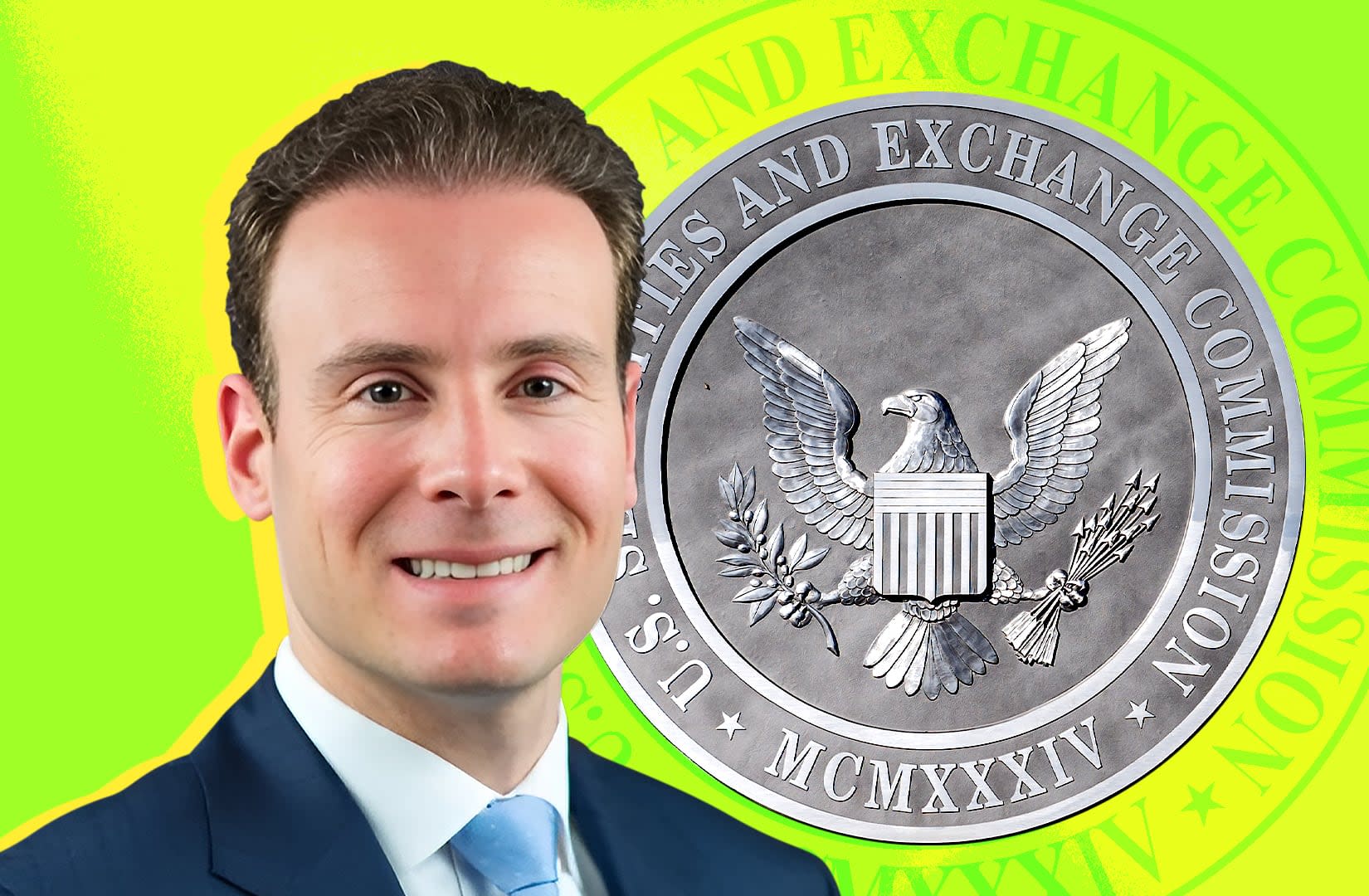
Responding to this mounting pressure, CFTC Chairman Michael Selig has signaled imminent rulemaking to establish a comprehensive federal oversight structure. This initiative aims to clarify jurisdictional boundaries, especially in light of ongoing disputes with state regulators who view these platforms as encroaching on gambling territories. By withdrawing previous proposals that sought outright bans on certain event types, the CFTC is pivoting toward a more permissive yet controlled environment, potentially fostering innovation while mitigating risks.
The proposed rules could define insider trading more explicitly within this context, drawing parallels to traditional financial markets but tailored to the unique nature of event-based contracts. This includes enhanced surveillance requirements and penalties for violations, as demonstrated by recent enforcement actions against individuals exploiting nonpublic information on platforms like Kalshi. Such measures are intended to bolster market integrity without stifling the predictive power of these platforms.
Legal Battles and Jurisdictional Tensions
The path to new regulations is fraught with legal hurdles, as evidenced by multiple lawsuits challenging the CFTC’s authority. States like Nevada have initiated enforcement actions against platforms, asserting that event contracts constitute unlicensed gambling. In a notable case, a federal judge granted a preliminary injunction in favor of Kalshi, affirming federal preemption over state laws in certain instances. This ruling underscores the ongoing tug-of-war, with the CFTC filing amicus briefs to defend its exclusive jurisdiction.
Amid these conflicts, platforms continue to operate under varying interpretations, leading to inconsistencies in contract resolution and user experiences. For instance, divergent outcomes in high-profile events have fueled debates about standardization, in which one platform might resolve a contract affirmatively while another refunds bets due to ambiguity. These discrepancies highlight the necessity for unified rules to ensure fairness and transparency across the board.
Timeline of Key Regulatory Developments
| Date | Event | Impact |
|---|---|---|
| February 2026 | CFTC withdraws proposal banning political and sports contracts | Opens door for expanded market offerings under federal oversight |
| February 17, 2026 | Nevada files enforcement action against Kalshi | Escalates state-federal jurisdiction dispute |
| February 19, 2026 | Federal court grants injunction for Kalshi in Tennessee | Strengthens CFTC’s preemption argument |
| February 25, 2026 | CFTC issues enforcement advisory on prediction markets | Imposes penalties for misuse of nonpublic information |
| March 2026 | Anticipated rulemaking announcement | Potential for new insider trading definitions and surveillance rules |
This timeline illustrates the rapid evolution of the regulatory environment, with each development building toward a more structured approach to managing these innovative financial instruments.
Insider Trading Fears and Ethical Dilemmas
Central to the scrutiny are allegations of insider trading, exemplified by profits made from bets on the ouster of Iran’s Supreme Leader, Ayatollah Khamenei. Analytics reveal that select accounts amassed significant gains shortly before public announcements, raising questions about the sources of their foresight. While platforms maintain robust monitoring, the anonymous nature of some trades complicates enforcement, fueling demands for stricter verification processes.
Ethical considerations further complicate the narrative, as markets allowing wagers on deaths or military outcomes are criticized for commodifying tragedy. Proponents argue that these markets provide valuable probabilistic insights, potentially aiding decision-making in uncertain times. However, critics contend that the financial incentives could distort behaviors or encourage leaks, necessitating rules that balance utility with moral boundaries.
Platform Comparisons and Market Dynamics
Different platforms navigate this regulatory maze in distinct ways, influencing their operational models and user bases. For example, one operates under full CFTC regulation with USD trades, while another leverages blockchain for global accessibility. These variations affect everything from contract design to resolution mechanisms, creating arbitrage opportunities but also risks of fragmentation. For more on platform differences, see Kalshi vs Polymarket: Key Differences.
| Platform | Regulation | Key Features | Challenges |
|---|---|---|---|
| Polymarket | CFTC-regulated U.S. entity; international blockchain platform | Crypto-native, high liquidity on geopolitical events | Scrutiny over insider trades, resolution disputes |
| Kalshi | Fully CFTC-regulated | USD trades, broad event coverage including sports | State-level lawsuits, enforcement actions |
This comparison underscores how regulatory approaches shape platform strategies, with implications for trader participation and market efficiency.
Implications for Innovation and Oversight
As the CFTC advances these rules, the potential for growth in prediction markets remains enticing. Clearer guidelines could attract institutional investors, thereby enhancing liquidity and improving forecasting accuracy. Yet, the challenge lies in crafting regulations that deter malfeasance without curtailing the innovative spirit that defines these platforms. Stakeholders await detailed proposals, which could set precedents for how emerging financial technologies are governed in an increasingly interconnected world.
In parallel, ongoing dialogues with lawmakers suggest a collaborative path forward, where input from industry experts informs balanced policies. This could include provisions on ethical trading standards, as explored in resources such as Ethical Considerations in Trading on Real-World Events.
Future Outlook: Balancing Risk and Reward
Looking ahead, the CFTC’s rulemaking process represents a pivotal moment for prediction markets. By addressing scrutiny head-on, the agency aims to foster a secure ecosystem that harnesses collective intelligence for informed speculation. However, the interplay between federal authority and state interests will likely continue to evolve, influenced by court decisions and legislative actions.
Traders and observers alike are drawn to the intrigue of these developments, where the stakes extend beyond financial gains to the very framework of market governance. As proposals unfold, the sector stands on the cusp of transformation, promising enhanced protections amid the allure of predicting tomorrow’s headlines today.