Published: November 23, 2026
New York is moving on two tracks at once. You might say, hedging their bets.
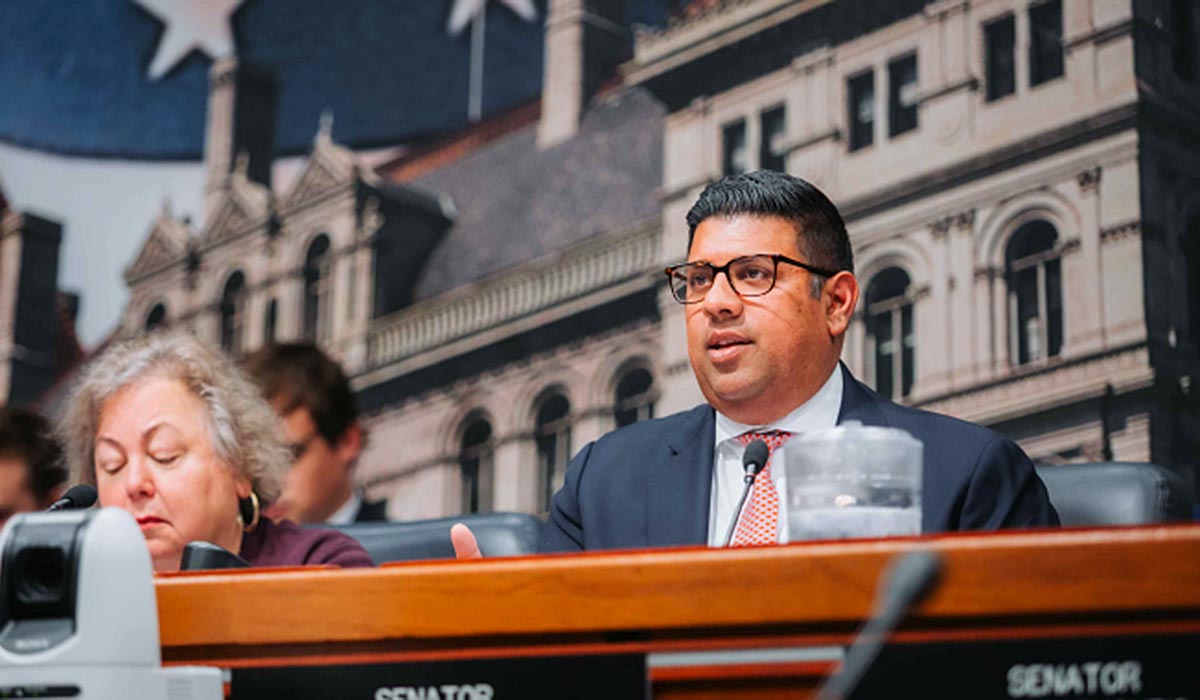
While Attorney General Letitia James continues lawsuits against Kalshi and Polymarket, alleging they are merely unlicensed gaming, state Sen. Jeremy Cooney has introduced a bill to license prediction market operators and tax their activity. The Rochester Democrat’s proposal would impose a 10% surcharge on the net trading fee revenue companies collect from New York-based transactions, with every dollar directed to a dedicated fund for statewide universal pre-kindergarten.
Cooney has been clear about his thinking. He told Politico that while others float vague ideas about taxing the rich, money is already sitting on the table from companies that currently pay nothing to the state. The measure, discussed in recent coverage as the Fairness, User Transparency, Universal Pre-Kindergarten, and Responsible Exchange Safeguards (FUTURES) Act, also bars elected officials and policy advisers from trading on the platforms, requires age verification, and adds tools for people who want to limit or stop their activity.
No formal bill text is public yet, so the details come from what Cooney shared with reporters. Those details include requirements for platforms to protect customer funds, ban deceptive advertising, and submit to stronger reporting and auditing. The outline also adds penalties for election-related crimes that use the platforms and tries to avoid direct conflict with the Commodity Futures Trading Commission’s existing oversight.
What the FUTURES Act Would Require From Operators and Traders
The core of the proposal is the 10% surcharge on operators’ net trading fee revenue from transactions that occur in New York. Platforms would also have to verify ages when people sign up and allow traders to set their own spending limits or exclude themselves completely. Those same companies would need to safeguard customer money and avoid advertising that misleads users.
Elected officials and their policymaking staff would be blocked from trading event contracts, a step meant to keep nonpublic information from being used for personal gain. The bill would further create penalties for election-related crimes carried out through the platforms. At the same time, it acknowledges the CFTC’s role and includes language intended to prevent the state rules from colliding with federal law.
Cooney has previously compared the idea to how New York already handles other financial companies through the Department of Financial Services. His point is straightforward: if a firm wants to do business with New Yorkers, it should meet basic state standards. Age checks and self-exclusion options have appeared in other recent bills, and this version continues that pattern while keeping the tax focused on operator fees rather than every individual trade.
How much of this survives the legislative process is still unknown. By combining a targeted surcharge with consumer protections and a clear ban on official trading, Cooney is trying to raise money for early education while addressing the same concerns that have driven both lawsuits and ethics debates in Albany.
Court Battles With Leading Platforms Continue
Attorney General Letitia James has sued both Kalshi and Polymarket, arguing that the companies are running unlicensed gambling operations in New York. The complaints say the platforms let people trade on sports and other events without a state gaming license, allow users under 21 to participate when state law sets a higher gambling age, and avoid the taxes licensed operators pay. Kalshi has warned that a broad order against it could shut the company down nationwide because it is headquartered in New York.
Earlier this month, a federal judge sent the Kalshi case back to state court. On Monday, a state judge declined to grant the temporary restraining order James’s office requested. Reports from the hearing indicate the judge pointed to complex questions about derivatives and federal preemption and asked both sides to discuss extra protections for 18- to 20-year-olds, with another hearing scheduled for mid-January. The CFTC has argued that federal law blocks state gambling rules from applying to these contracts, yet recent rulings have still allowed New York to keep pressing its case.
James’s office also sued Polymarket US in September, with Governor Kathy Hochul joining the announcement. That complaint describes the platform as an illegal gambling business that never obtained a Gaming Commission license and seeks to stop its operations while recovering what the state calls illegal gains.
How the Proposal Could Change Trading in New York
If the legislation moves forward, companies would pay the 10% surcharge on fee revenue from New York transactions and would have to protect customer funds, avoid misleading ads, and meet stronger reporting and audit requirements.
Traders interested in sports, elections, or economic outcomes would still be able to use the platforms, just under the new rules, as long as the companies get the required state approvals and follow the safeguards. The dedicated pre-kindergarten fund gives the proposal a clear public purpose that backers hope will attract support. Operators might still pass some of the cost along through higher fees or fewer promotions, something that has happened in other states that have taxed comparable activity.
The measure joins other New York efforts, including ethics rules on official trading and earlier bills that tried to restrict certain types of contracts. How this version fits with those ideas will be clearer once the formal text is filed and hearings start. For the moment, the combination of a surcharge, consumer protections, and a ban on official trading offers a legislative path that runs parallel to the ongoing lawsuits against Kalshi and Polymarket.
Cooney has talked about the need for state oversight before, including in a video interview where he compared the idea to the licensing process other financial firms already follow in New York.
References
- New York lawmaker proposes bill to regulate and tax prediction markets – POLITICO
- Cooney Proposes NY Prediction Market Surcharge for Pre-K
- Attorney General James and Governor Hochul Announce Lawsuit Against Polymarket
- NYS Senator Jeremy Cooney discusses prediction markets – YouTube
- New York judge rebuffs Kalshi shutdown — for now
- US judge rejects CFTC emergency bid to block New York from policing Kalshi