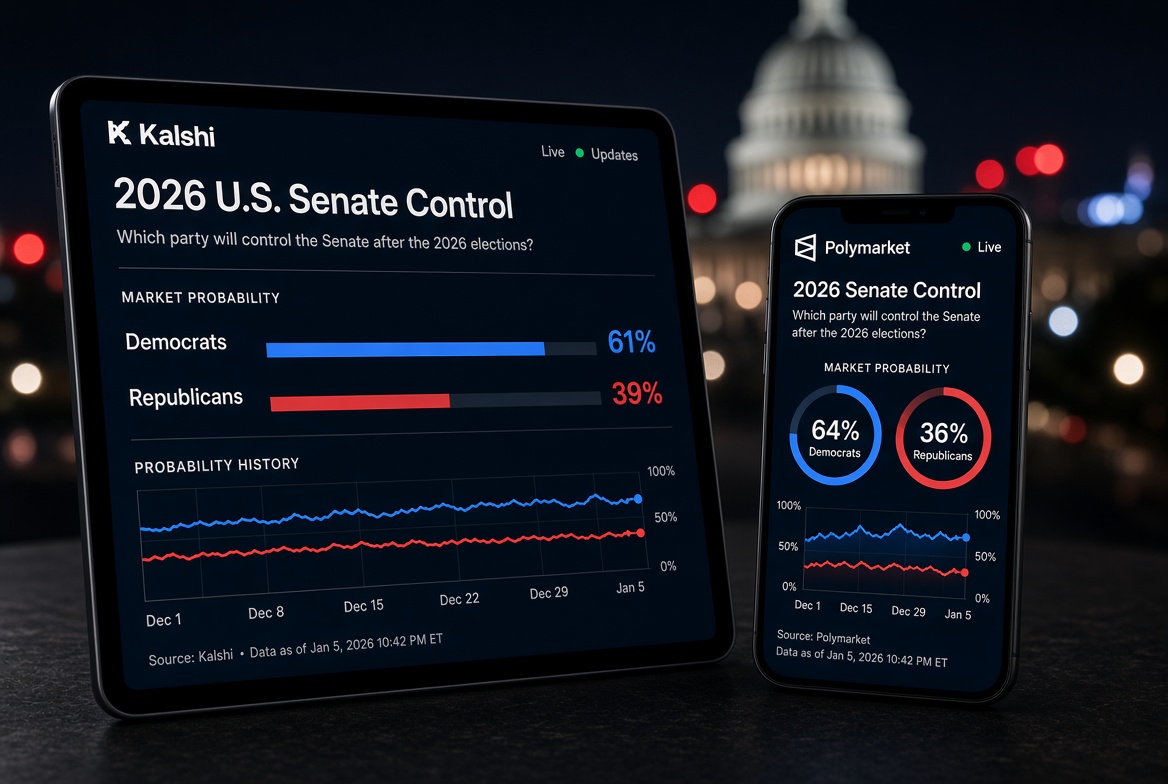
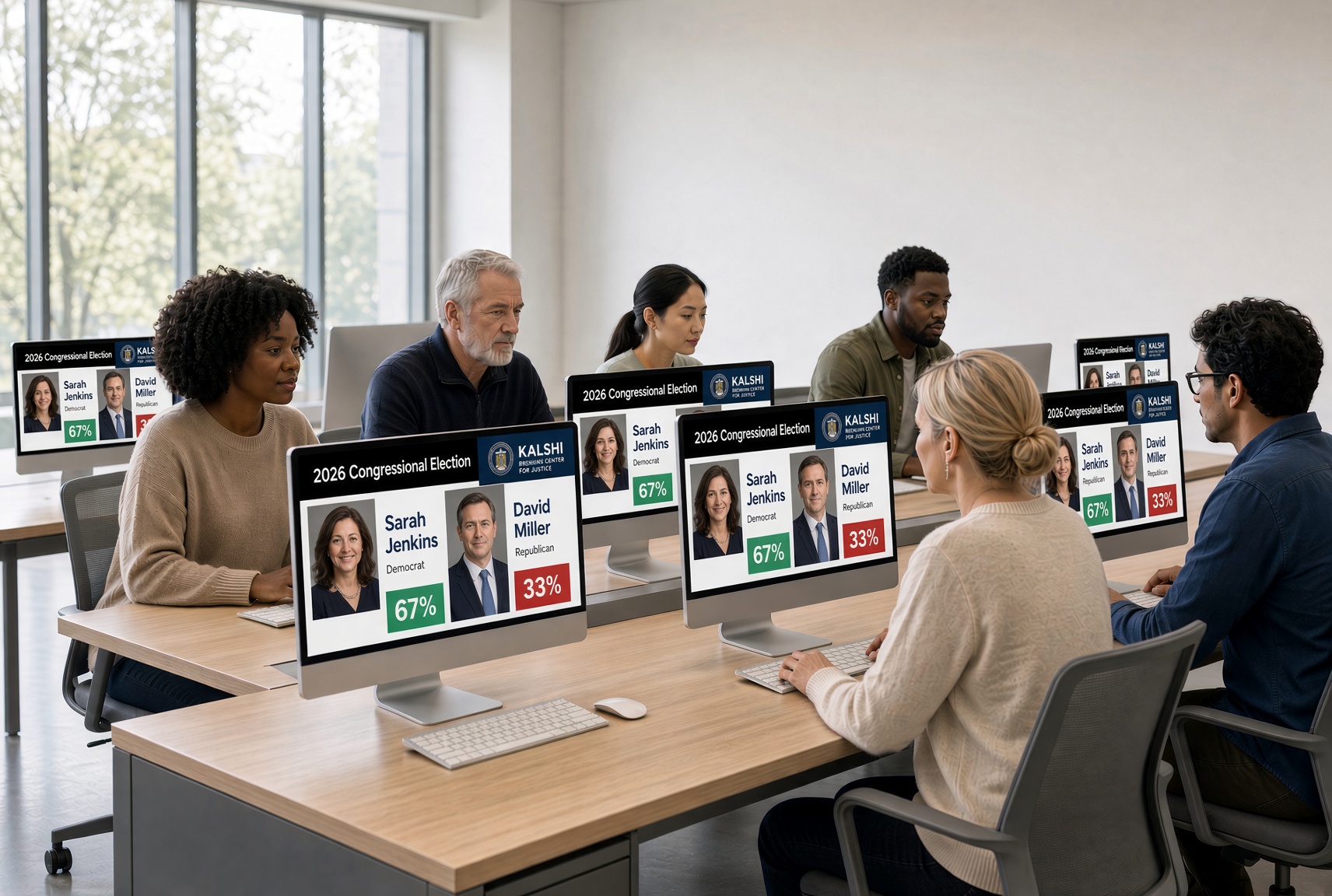
A new survey of nearly 2,000 registered voters shows that Kalshi odds can shift how people judge a candidate’s chances by 10 to 20 percentage points, even though most of those same voters say they don’t trust the markets. The Brennan Center for Justice released the findings on October 20, as hundreds of millions of dollars have already traded on the 2026 midterms and those prices keep appearing on cable news and in campaign briefings.
The team surveyed 1,994 self-identified registered voters on September 21. Each person looked at pairs of made-up congressional candidates and picked the one they thought would win. The profiles listed ordinary details such as race, age, party, and past job, plus randomly mixed numbers from NBC News polling and from Kalshi. That design let researchers watch what happened when the two sources pointed in different directions.
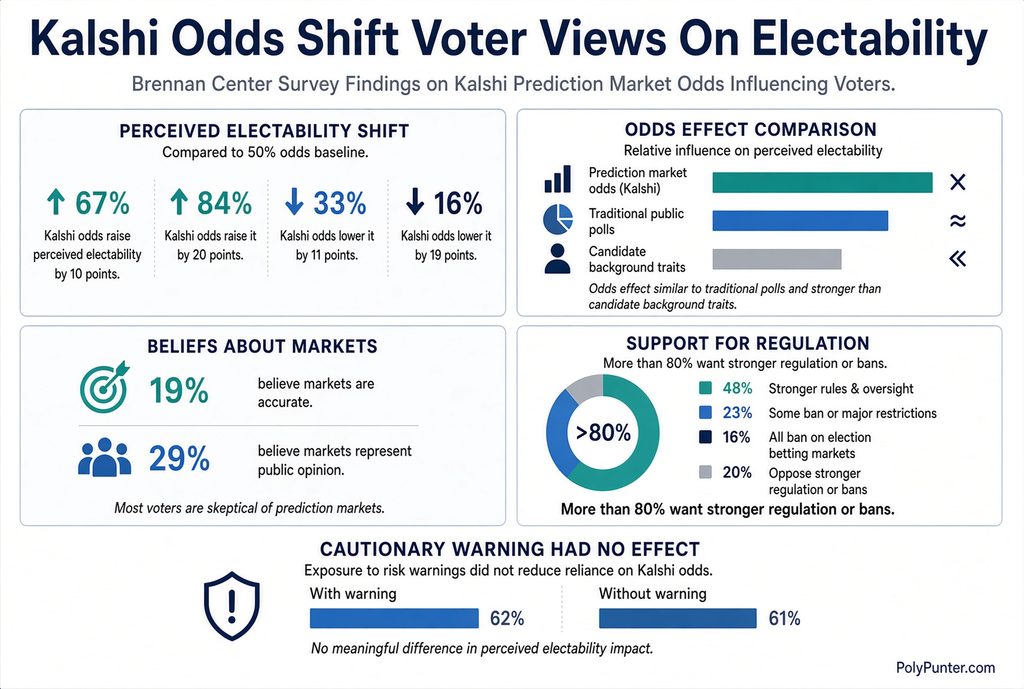
The pattern was straightforward. A candidate priced at 67% on Kalshi was 10 percentage points more likely to be chosen as the winner than one sitting at 50%. When the Kalshi number climbed to 84%, perceived electability rose by 20 percentage points. The same thing happened in reverse. Voters were 11 percentage points less likely to back a candidate at 33% and 19 percentage points less likely to favor one at 16%.
Kalshi Odds Carried About As Much Weight As Polls And More Than Candidate Backgrounds
The market numbers moved views roughly as much as traditional polls did. They also outweighed every background trait the researchers listed, including demographics, occupation, and prior experience. That ranking stood out because the same voters kept saying they doubted the markets.
Only 19% thought election prediction markets are accurate. Just 29% believed the markets represent what the public actually thinks. By comparison, 37% called traditional polls accurate and 55% said polls reflect public opinion. Plenty of people stayed on the fence: 37% neither agreed nor disagreed that the markets are accurate, and 29% took no clear position on whether they represent the public.
Low trust did not stop the odds from shaping judgments. Researchers tried adding a short warning about prediction markets, but the note changed nothing. People still leaned on the Kalshi figures at about the same rate. The result held across the full sample of registered voters.
The team used average marginal component effects to separate the impact of the odds from the impact of the polls. Because the numbers were randomized, they could see which source voters treated as more useful when the two conflicted. In the end, both sources moved the needle, yet market prices held their own even among people who said they didn’t believe them.
Most Voters Still Want Stronger Rules Or Limits On These Markets
Even while the odds influenced them, most respondents preferred tighter oversight. Forty-eight percent said prediction markets should be regulated more strongly than they are now. Another 23% said some types of markets should be banned, and 16% said all of them should be banned. Taken together, more than 80% of the sample favored stronger regulation or some form of ban.
Only 14% said the markets should face no regulation at all. That preference for more rules showed up even among people who admitted the odds had shaped their own sense of who might win. Yeji Lee’s analysis for the Brennan Center notes that the mix of influence and skepticism creates a practical problem for campaigns and for the outlets that display the numbers.
Many state and local races never get regular polling. In those contests, a thin market is easier to push around, and the money behind the contracts stays hidden. Those prices and probabilities now reach wider audiences through deals with CNN, CNBC, and Fox News.
What The Numbers Mean For Campaigns And News Coverage
Campaign staff and political reporters have started treating market prices as another data point alongside the polls. The Brennan Center results suggest that habit may carry more weight with ordinary voters than many people assume. Because the odds can raise or lower perceived electability by double digits, a move in a thin market could change how potential supporters size up a race. And those thin-market moves can happen with relatively small dollar trades.
The survey doesn’t say whether the markets are right or wrong. It simply tracks how voters react to the numbers. That reaction happens even though most people in the sample said they do not believe the markets accurately show either the likely outcome or the public’s views. The gap between what people say they trust and how they actually use the numbers is one of the clearer results.
Researchers also checked whether a simple warning reduced reliance on the odds. It did not. That finding implies that casual exposure, such as a graphic on a cable segment or a number shared online, may be enough to shift judgments. As news partnerships continue to expand, more voters are likely to encounter these prices before Election Day.
References
- New Study Finds Prediction Markets Are Influencing Voters — and Voters Want Them Regulated, Brennan Center for Justice, October 20, 2026
- Brennan Center Study: Kalshi Odds Sway Voters’ Picks, RG.org, October 21, 2026
- Brennan Center post on X regarding the study and midterm volume, October 20, 2026
- Most Americans oppose betting on elections, government events, Reuters/Ipsos poll finds, Reuters, October 12, 2026