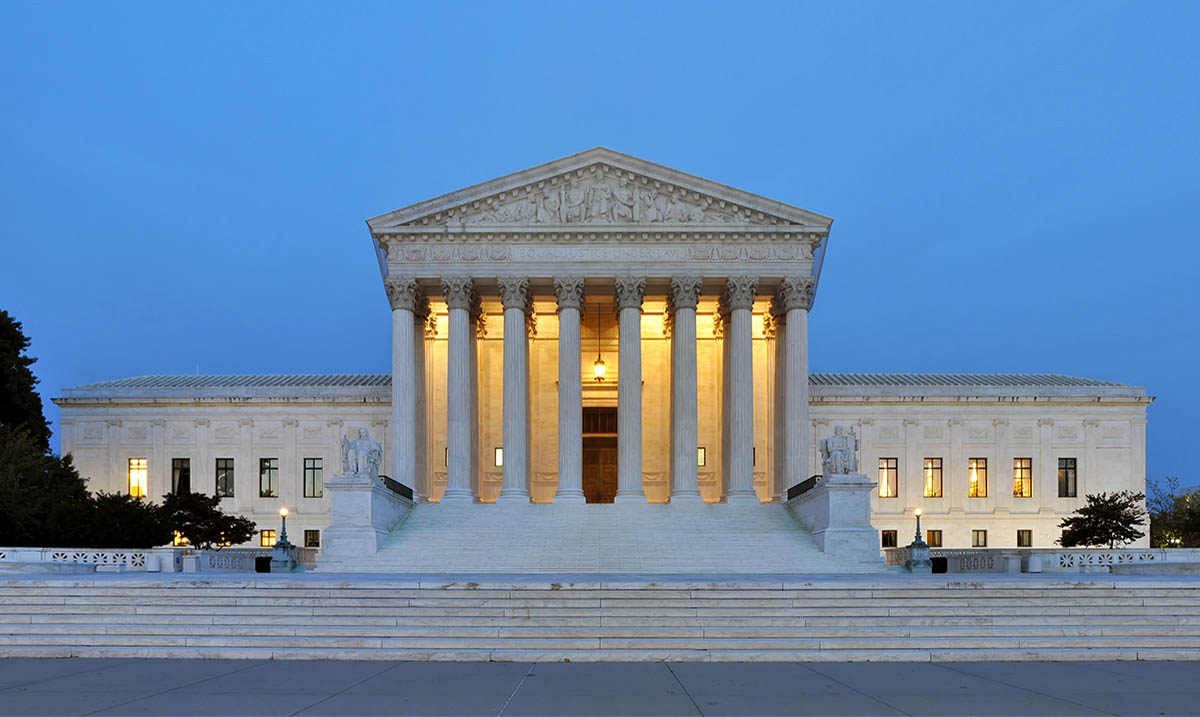
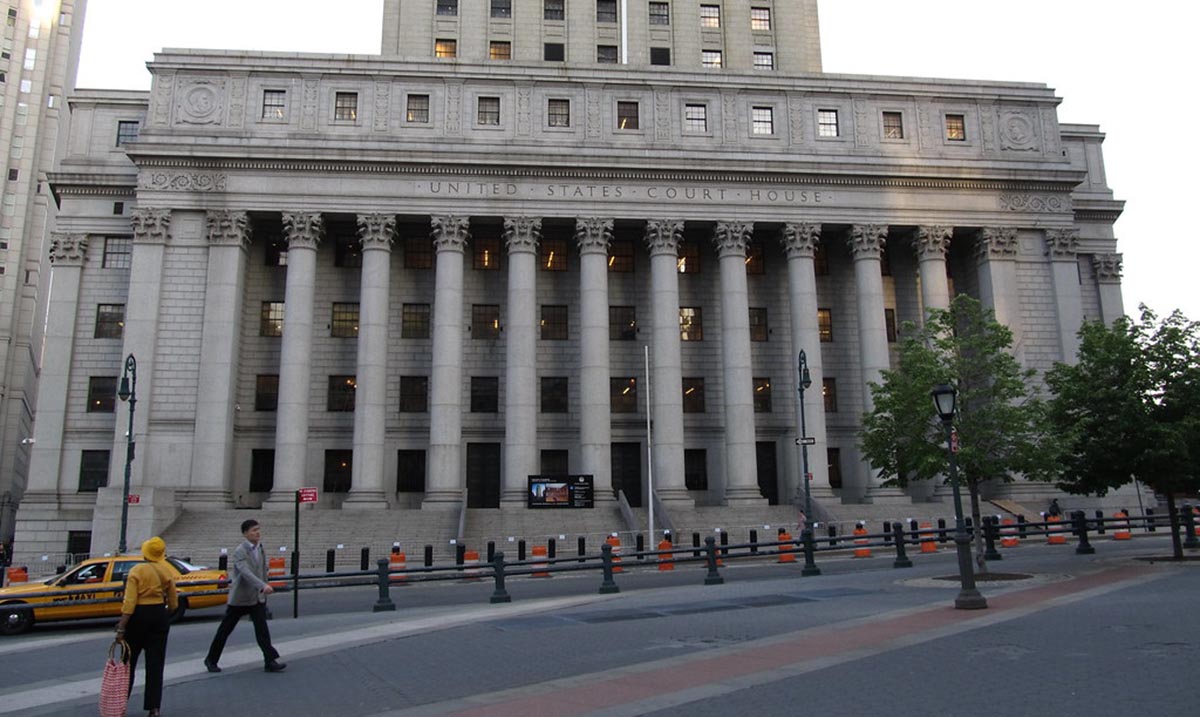
Federal regulators at the CFTC moved with striking speed this week, filing an emergency motion to shield Kalshi from aggressive New York state challenges. The Commodity Futures Trading Commission asked a federal court for a temporary restraining order, arguing that state actions threaten to unravel national prediction markets overnight. This step intensifies the ongoing, extensive clash over control of event-contract trading, with the agency insisting that federal law grants it sole authority and primacy over state authorities.
The filing arrived just before a New York state civil enforcement action seeking up to $36 billion in penalties from Kalshi. Officials described the state effort as massive overreach capable of causing lasting damage. Traders within New York are already weighing the risks of sudden disruptions while the agency presses to lock in its position.
By acting first, CFTC regulators signaled they will not wait for state courts to dictate terms. This proactive defense is drawing intense interest as the volume of event contracts continues to climb across Kalshi and competitor platforms.
CFTC Acts Swiftly to Protect Federal Authority
Late Thursday, the Commodity Futures Trading Commission filed its emergency request in the U.S. District Court for the Southern District of New York. The request seeks an immediate bar on any criminal or civil enforcement against Kalshi or other federally registered entities. Officials with the CFTC framed the request as essential to preserving market integrity under national commodities standards.
Chairman Michael S. Selig amplified the message in a post on X, declaring that the state was attempting “to force an unprecedented sudden shutdown of prediction markets nationwide.” He added that the commission “has already sued to stop this and will continue to defend its jurisdiction.”
Legal filings from the CFTC rely heavily on the Commodity Exchange Act’s exclusive-jurisdiction clause. That provision, the agency contends, leaves no room for all fifty states to individually impose their own licensing demands on designated contract markets. Allowing one state to succeed could trigger a cascade of similar actions that would fracture cross-country trade, making it nearly untenable.
For its part, Kalshi maintains that states lack power to shutter a federally licensed exchange. Its team labeled the state lawsuit “political theater,” warning that a forced shutdown would simply drive activity offshore. Attorney Daniel Wallach described the federal filing as a “Hail Mary” move.
In response, the commission has already pursued parallel cases against multiple other states this year. Each filing reinforces the claim that federal registration creates a uniform marketplace state gambling statutes cannot override.
Details of the Emergency Filing and Arguments
The temporary restraining order request targets any attempt to enforce state gambling statutes against CFTC-registered platforms. Court documents summarized in reporting show the commission arguing that such enforcement would inflict irreparable harm on both the agency and the markets it supervises. Officials pointed to the potential for a single-state order to halt trading nationwide, given the platform’s reach.
Reuters coverage notes that the emergency motion was filed less than an hour before the state filed its own action. The timing appears deliberate, designed to establish federal primacy before a state judge could issue interim relief. The CFTC described the state petition as an effort to “fundamentally subvert” its exclusive authority.
The motion seeks both a restraining order and a broader declaration that state gambling laws cannot reach federally regulated event contracts. Court rulings on these types of filings have been hit-or-miss for the CFTC and prediction market operators, leaning mostly against them, with a few notable successes, which puts the federal court system in conflict with itself and requires more appeals and further delays. Not a bad thing if you’re an operator.
Federal judges in SDNY will now decide whether the commission has shown a likelihood of success. Meanwhile, the platform continues operating while the legal process unfolds.
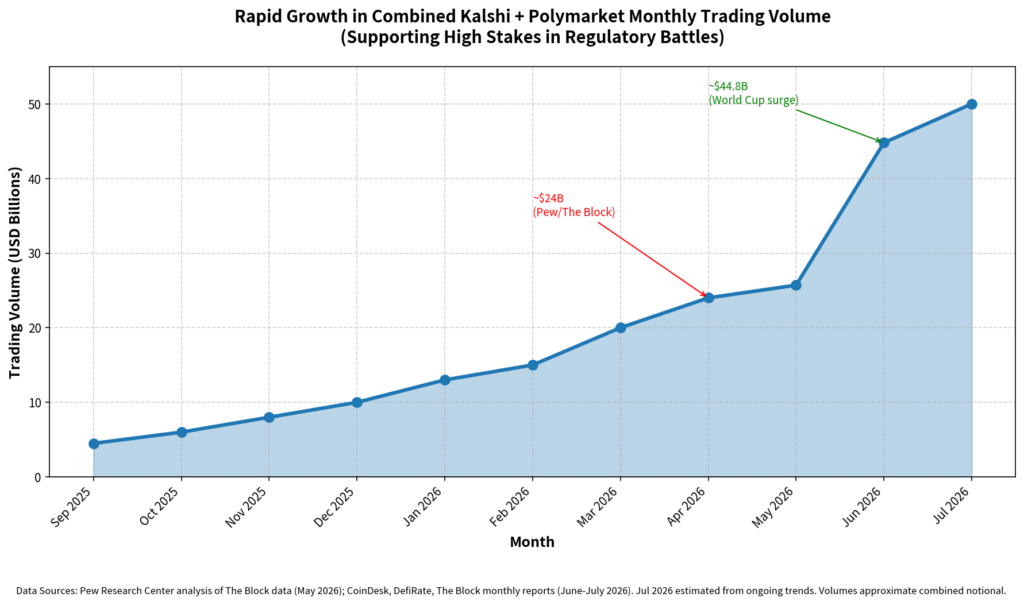
Broader Implications for Event Contract Trading
Success for the commission could eventually cement federal control and reduce the patchwork of rules that currently complicates U.S.-wide trading. A favorable ruling would reassure platforms that CFTC registration alone shields them from state interference and potentially encourage more firms to expand offerings. Traders would gain greater certainty that contracts settled under federal rules cannot be retroactively voided by state courts, which can be fairly precarious if you’re trading and holding positions within those states’ borders.
A denial, however, would only embolden additional states to pursue their own enforcement campaigns. Numerous states have already launched intensive legal action against prediction markets to protect their licensed state and tribal gaming operators. And several states that don’t currently allow online sports betting are actively trying to keep prediction market activity out of their states.
Industry participants are closely tracking how the request for a temporary restraining order interacts with ongoing appeals in related cases. Earlier denials of injunctions in district court have already forced Kalshi to navigate a narrow path between federal directives and state threats. The current motion seeks to break that tension by asserting federal supremacy more overtly. Either way, that remains unlikely to cool the jets of attorneys general across the nation. This is both a political and a financial mission for these top state lawyers.
Looking ahead, the dispute is likely to only accelerate calls for clearer congressional guidance on the scope of exclusive jurisdiction. Until then, the commission’s emergency filings serve as the primary tool for defending the national market structure. Traders navigating this environment must stay alert to court calendars since a single order could shift the entire playing field overnight.
References
- Reuters report on the state lawsuit and CFTC emergency motion
- TechTimes coverage of the $36billion action and federal restraining order request
- PYMNTS article quoting Chairman Selig and platform response
- Chairman Michael S. Selig X post on defending jurisdiction
- Daniel Wallach X post describing the CFTC filing