The legal sparring between states and the CFTC-backed prediction markets rolls on. The punches go round and round in a fight that is resulting in conflicting legal rulings, law firms racking up immense billing, and still no real resolution to a broad federal-state dispute over regulatory primacy.
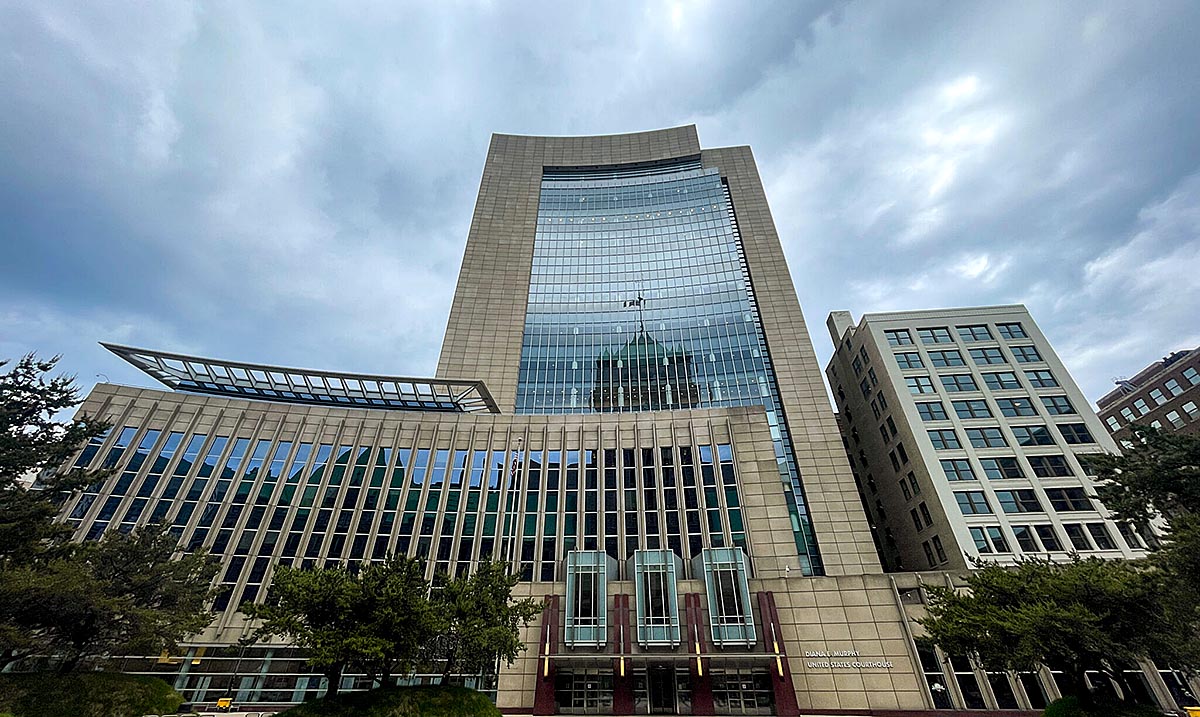
In a high-stakes courtroom showdown, U.S. District Judge Katherine Menendez issued a preliminary injunction on July 27, 2026, blocking enforcement of a sweeping Minnesota state law that would have criminalized the operation and advertising of many prediction market platforms. The ruling arrives just days before the measure was set to take effect on August 1 and delivers an early victory to the Commodity Futures Trading Commission, Kalshi, and Polymarket. By siding with arguments rooted in federal preemption under the Commodity Exchange Act, the judge determined that the challengers face a clear threat of irreparable harm if the statute moves forward.
The decision maintains the current status quo while the broader lawsuit advances, allowing designated contract markets to continue offering event contracts without the immediate risk of Minnesota state felony charges. Menendez found the plaintiffs likely to succeed at least partially on their claims that the CFTC holds exclusive jurisdiction over transactions involving swaps traded on those markets. This finding rests on the broad statutory definition of swaps as contracts whose payments depend on the occurrence or nonoccurrence of events carrying potential financial, economic, or commercial consequences.
Meanwhile, the order carefully notes that not every contract may fall under that definition, leaving open the possibility that certain sports and entertainment-focused offerings could face different treatment later. Still, the balance of harms and public interest tipped decisively toward pausing the comprehensive ban, preserving ongoing trading activity across a range of event contracts still tied to elections, sports outcomes, and commercial events.
How the Preliminary Injunction Protects Designated Contract Markets from Immediate Enforcement
Judge Menendez granted the motions filed by the CFTC, Kalshi, and Polymarket after reviewing the consolidated challenges, emphasizing that the state statute is likely at least partially preempted. In her 44-page order, she wrote that a preliminary injunction prohibiting enforcement “strikes the right balance of harms while preserving the status quo.”
The plaintiffs argued successfully that Kalshi and Polymarket US operate as designated contract markets, placing their swap transactions under exclusive CFTC oversight. Contracts resolving based on a U.S. Senate race winner, World Cup champion, or the return of traffic through a key waterway met the swap test because of their clear financial and commercial implications. As a result, the state law’s attempt to impose a total ban collided directly with federal authority under the Commodities Exchange Act and power granted to the CFTC thereunder.
However, the judge stopped short of declaring every offering protected. Markets centered on reality-television outcomes or specific announcer phrases during broadcasts may lack the required financial, economic, or commercial consequences and could eventually fall outside the preemption shield. This distinction keeps the door open for more targeted state action once the full merits hearing unfolds, yet it puts the entire existing Minnesota prohibition law on hold, for the time being.
The CFTC had pressed hard for a rapid decision, even signaling readiness to seek appellate relief if the court delayed past July 28. That urgency underscored the practical stakes: without the injunction, platforms faced criminal felony exposure as of August 1st by continuing their current operations.
In response to the order, Kalshi spokesperson Elisabeth Diana stated that “states cannot ban things that they don’t have jurisdiction over.” Polymarket chief legal officer Neal Kumar added that the ruling clarifies how event contracts on CFTC-registered exchanges remain governed by federal law rather than a patchwork of conflicting state rules.
These are the prediction markets’ standard responses in similar cases. Some they are winning, some they are losing. But the messaging remains the same.
State Officials Push Back While Emphasizing Gambling Concerns in Ongoing Litigation
Minnesota Attorney General Keith Ellison wasted little time responding, describing the prediction market activity in question as “gambling, plain and simple” and asserting that the state retains every right to keep what he called predatory applications out of local communities. He respectfully disagreed with the court’s view of the proper status quo, arguing that allowing the platforms to continue operating only permits those platforms to proliferate. At the same time, Ellison acknowledged the complex legal questions and pledged to keep defending the duly enacted Minnesota statute through further proceedings.
Menendez’s analysis leaned heavily on the exclusive-jurisdiction language of the Commodity Exchange Act, finding the plaintiffs had met their burden on likelihood of success for a substantial portion of the covered activity. She also highlighted the threat of irreparable harm to the platforms and the regulator if the ban took effect, noting that forced shutdowns or advertising blackouts could not be easily undone later if the final legal decision favored their position.
As the case moves forward, the order leaves room for the state to litigate narrower contract types or to appeal. Permanent relief, if ultimately granted, might prove more limited than the current broad pause, focusing only on those contracts that clearly qualify as swaps. This measured approach keeps pressure on both sides to develop a fuller evidentiary record without disrupting current market activity.
Supporters of the platforms see the injunction as confirmation that federal oversight provides the consistent rules needed for traders to engage with confidence and for the platforms themselves to further refine their product and innovate and expand their markets. Critics, including Ellison, continue framing the issue as one of consumer protection and state authority over any and all gambling-like activity, setting up a longer contest that could influence similar disputes elsewhere.
What the Ruling Means for Event Contract Trading and Future Challenges
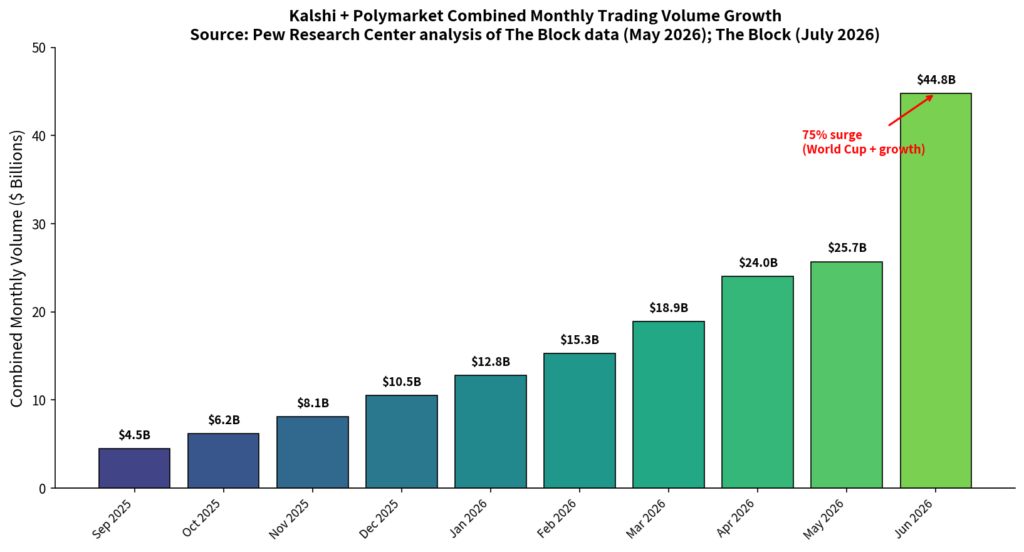
The preliminary injunction arrives amid rising volumes in event contracts and growing institutional interest, yet it carefully avoids ruling on any issues beyond the immediate legal question. By freezing the ban, the court ensures that traders can continue taking positions on contracts that meet the swap definition without facing sudden criminal risk. This continuity matters for in-progress markets such as election outcomes, major sporting results, and commercial milestones with time horizons beyond the August 1 ban date.
Judge Menendez repeatedly returned to the Commodity Exchange Act’s text, rejecting attempts to narrow the swap definition solely to traditional commodities. Consequently, the order protects the core business model of the designated contract markets while flagging entertainment contracts as potential outliers.
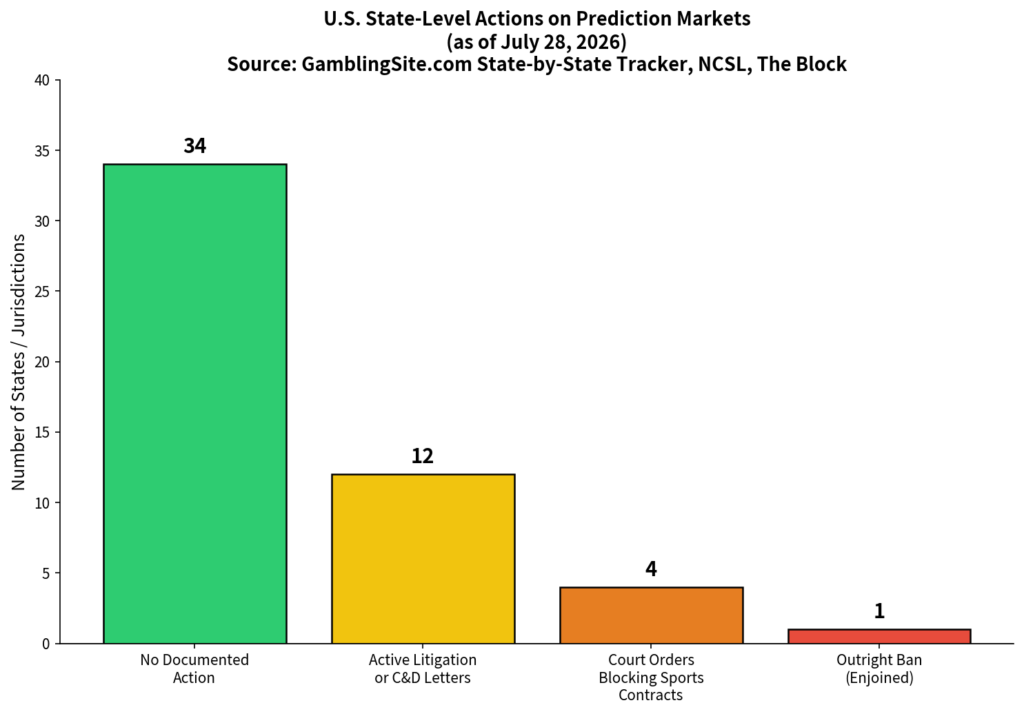
Looking ahead, the litigation will test whether Minnesota can carve out limited restrictions that survive federal scrutiny. The CFTC has already signaled it will not sit idle when state measures threaten its exclusive role, and this ruling strengthens that posture for related cases. Platforms, for their part, gain breathing room to maintain operations and serve traders while the legal process unfolds.
In the end, this injunction stands as a decisive early chapter rather than a final word. Both the federal plaintiffs and state defenders will return to court with expanded arguments, and the eventual merits ruling could redraw the boundaries between exclusive CFTC authority and residual state powers over non-swap activity.
While the final resolution may involve a Supreme Court ruling or a Congressional legislative package, at PolyPunter we continue to believe the outcome will be some middle-ground arbitration between the CFTC and state gaming authorities, especially as it relates to sports event contracts.
References
- The Verge: Minnesota’s prediction markets ban has been derailed
- Ars Technica: Judge blocks first state law that would have banned prediction markets
- The Block: Judge blocks Minnesota from enforcing prediction market ban
- Boston Globe: Minnesota’s first-in-the-nation law banning prediction markets is halted
- Bitcoin.com: Minnesota Judge Blocks Prediction-Market Ban but Says Some Contracts Aren’t Swaps
- Bloomberg Law: Minnesota Prediction Market Ban Temporarily Blocked by Judge
- CBS Minnesota: Federal judge temporarily blocks Minnesota law
- Covers: Judge Blocks Minnesota From Enforcing Prediction Market Ban
- NBC News: Minnesota prediction market ban blocked by federal judge
- MPR News: Minnesota ban on Kalshi, Polymarket prediction markets put on hold