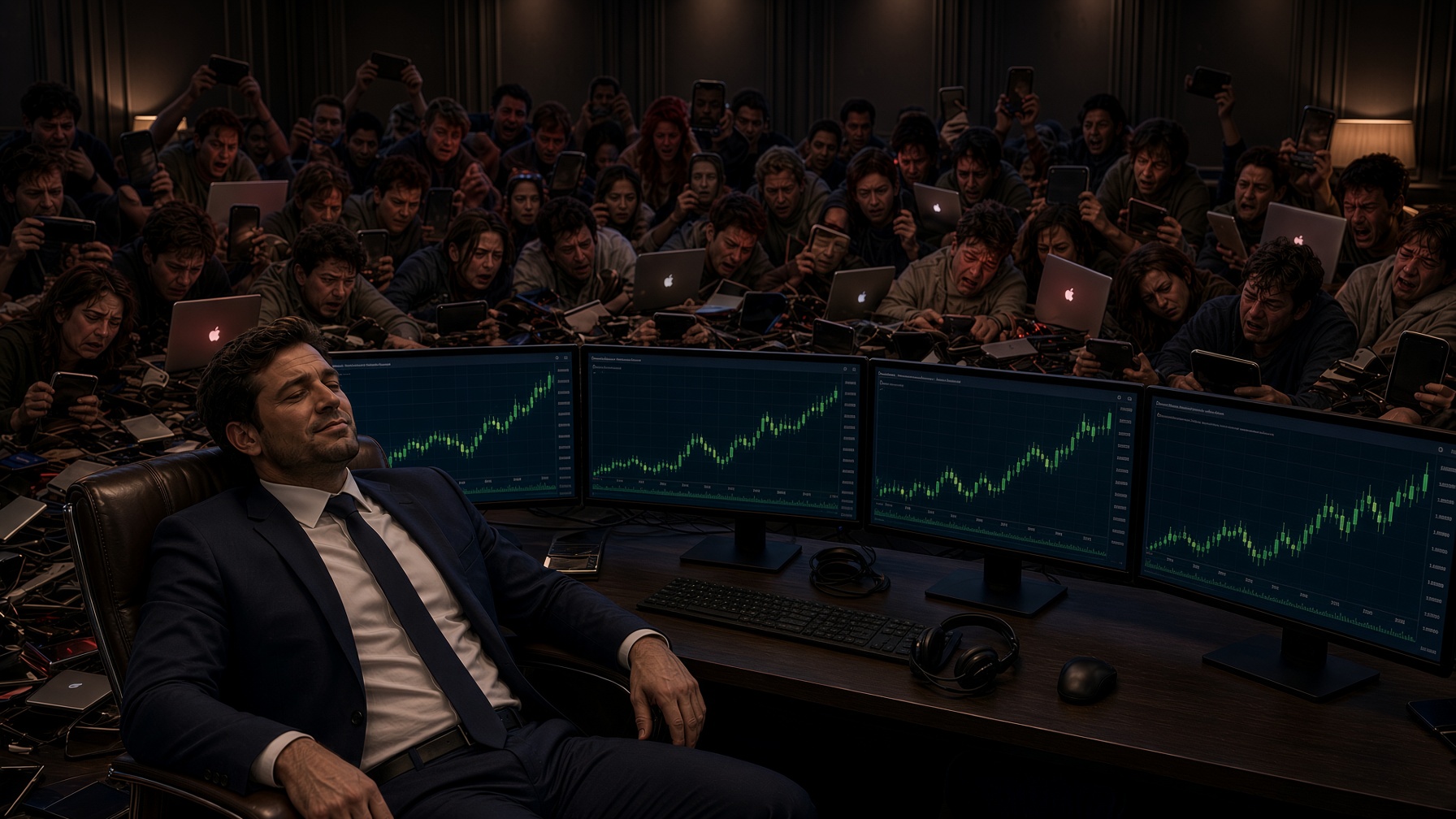

In the evolving landscape of prediction markets, platforms enable participants to wager on a variety of real-world events, including geopolitical tensions and military engagements. Recent discussions, particularly amid heightened international conflicts, have sparked in-depth conversations about the moral dimensions of such activities. Community platforms like Reddit are heavily engaged with users who dissect the intersection of finance, forecasting, and human suffering without endorsing or condemning the practice.
Navigating Moral Questions in Wagering on Geopolitical Outcomes
One prominent thread that captures the essence of these discussions appears in a Reddit post in r/CryptoCurrency, where the original poster raises concerns amid looming tensions between major powers. The question centers on whether it is acceptable to place bets on war-related outcomes, prompting a range of responses from the community. Users explore how these markets function as tools for aggregating collective intelligence, yet they also probe the potential for commodifying tragic events.
Moral dilemmas in betting on international conflicts via prediction markets represent nuanced views expressed. For instance, one Redditor argues that these platforms can serve as valuable indicators of probability, drawing from historical data where market sentiments have aligned with actual developments. Participation might contribute to a broader understanding of global dynamics, though it acknowledges the discomfort in profiting from uncertainty.
Conversely, another contributor points out the risk of desensitization, noting how turning conflicts into tradable assets could diminish empathy for affected populations. This comment, upvoted significantly in the thread, references similar debates in financial history, linking to articles on speculative bubbles and their societal repercussions. The discussion extends to practical examples, like bets on regime changes or military strikes, illustrating how real-time events influence market fluctuations.
Embedding further context, a cross-posted version in r/CryptoMarkets echoes these sentiments, with users delving into the cryptographic aspects that underpin these platforms. Here, the conversation shifts slightly toward the technological enablers, but ethical undertones remain, questioning if anonymity in betting exacerbates moral detachment.
Is Betting on War Outcomes Ethically Acceptable in Prediction Markets?
Shifting focus to more philosophy-oriented forums, a thread in r/Ethics titled “Betting on real-life events (elections, wars, currencies) — ethical or not?” provides a deeper dive into normative ethics. The original post introduces a specific platform where trades occur on outcomes like military conflicts and economic shifts, inviting ethical scrutiny.
Redditor u/EthicsEnthusiast emphasizes utilitarian viewpoints, suggesting that if these markets enhance predictive accuracy, they could indirectly aid in policy-making or risk assessment. This argument draws parallels to insurance models, where betting against adverse events hedges risks. However, the user cautions against overlooking deontological concerns, such as the inherent wrongness of monetizing human crises.
In response, u/MoralPhilosopher counters with virtue ethics, questioning whether habitual engagement in such betting cultivates desirable character traits or fosters a gambler’s mindset detached from reality. The comment references philosophical texts on gambling and speculation, embedding a link to a third-party analysis from a bioethics journal discussing similar issues in medical prediction markets.
Longtail phrases like “ethical acceptability of wagering on currency fluctuations amid wars in prediction markets” emerge in sub-discussions, where users cite examples from recent global events. One comment highlights how bets on currency devaluations tied to conflicts could reflect insider knowledge, raising questions about fairness and information asymmetry.
Societal Health and the Impact of Markets Betting on Conflicts
Another angle comes from r/TrueAskReddit, where the post asks if such markets are beneficial for society. Participants weigh the forecasting benefits against potential harms, such as encouraging speculative behaviors that mirror stock trading but with higher stakes.
u/SocietyWatcher argues that these platforms democratize information, allowing diverse voices to contribute to outcome probabilities. This view posits that societal health could improve through better-informed public discourse, citing studies from economic think tanks on market efficiency. A linked resource from an academic paper on behavioral economics underscores how collective betting can outperform individual experts.
On the flip side, u/CriticalThinker101 expresses worry over normalization, suggesting that betting on conflicts might trivialize grave matters, akin to entertainment wagering. The discussion includes references to psychological research on addiction and decision-making under uncertainty, with hyperlinks to mental health organizations discussing gambling’s societal costs.
Exploring longtail keywords like “health effects on society from betting on elections and wars in prediction markets,” the thread evolves into broader implications, including regulatory considerations. Users debate whether oversight could mitigate ethical pitfalls, drawing comparisons to controlled substances or financial derivatives.
Case Study: Platform Decisions and Ethical Debates
A specific incident fueling these conversations involves a platform’s removal of certain markets related to militant groups, as discussed in r/CryptoCurrency. The post details how this action sparked debates on the boundaries of acceptable betting topics.
Redditor u/CryptoAnalyst shares insights on how such removals reflect internal ethical guidelines, potentially influenced by public backlash or legal pressures. The comment links to news articles reporting on the event, providing third-party verification of the platform’s statement.
u/DebateParticipant responds by questioning consistency, noting that while some conflict-related markets are pulled, others persist, leading to accusations of selective morality. This exchange includes citations from legal blogs analyzing commodity trading regulations and their applicability to prediction markets.
Perspectives on Insider Risks and Fair Play in Conflict Betting
Across these threads, a recurring theme is the potential for insider trading in markets tied to sensitive events. In the r/CryptoCurrency discussion, users reference cases where military intelligence allegedly influenced bets, linking to related posts in r/Buttcoin about accusations of using secrets for gains.
u/InsiderWatchdog highlights how this undermines market integrity, drawing analogies to stock market scandals. The argument extends to ethical responsibilities of platform operators to detect and prevent such abuses, with suggestions for enhanced verification processes.
Some users propose blockchain-based audits as solutions, embedding links to tech whitepapers on decentralized verification.
Broader Philosophical and Economic Contexts
Delving deeper, discussions often invoke economic theories on information markets. Redditors cite works by economists who advocate for prediction markets as truth-revealing mechanisms, balanced against critiques from social philosophers on the dehumanizing effects of financialization.
In r/Ethics, u/PhiloEconomist links to a podcast episode exploring 500-year-old debates on similar concepts, providing historical depth. This perspective illustrates how contemporary issues echo longstanding tensions between utility and morality in speculative practices.
Users also discuss pop culture integrations, as seen in r/sadcringe, where betting extends to non-conflict events, blurring lines and amplifying ethical queries.
Community-Driven Insights and Ongoing Debates
These Reddit threads collectively offer a mosaic of opinions, from optimistic views on informational value to cautious warnings about moral erosion. For example, in r/TrueAskReddit, u/CommunityVoice advocates for educational campaigns to inform participants about ethical nuances, linking to resources from non-profit organizations focused on financial literacy.
The conversations underscore the dynamic nature of these platforms, where user feedback can influence policies. As more individuals engage, the debates evolve, incorporating new events and technological advancements.
Reflections on Future Directions
Prediction markets for conflict outcomes sit at a crossroads of innovation and introspection. Communities like those on Reddit continue to shape the discourse, offering valuable insights for participants, regulators, and observers alike. Whether these markets will adapt to address ethical concerns remains an open question, fueled by ongoing global developments.