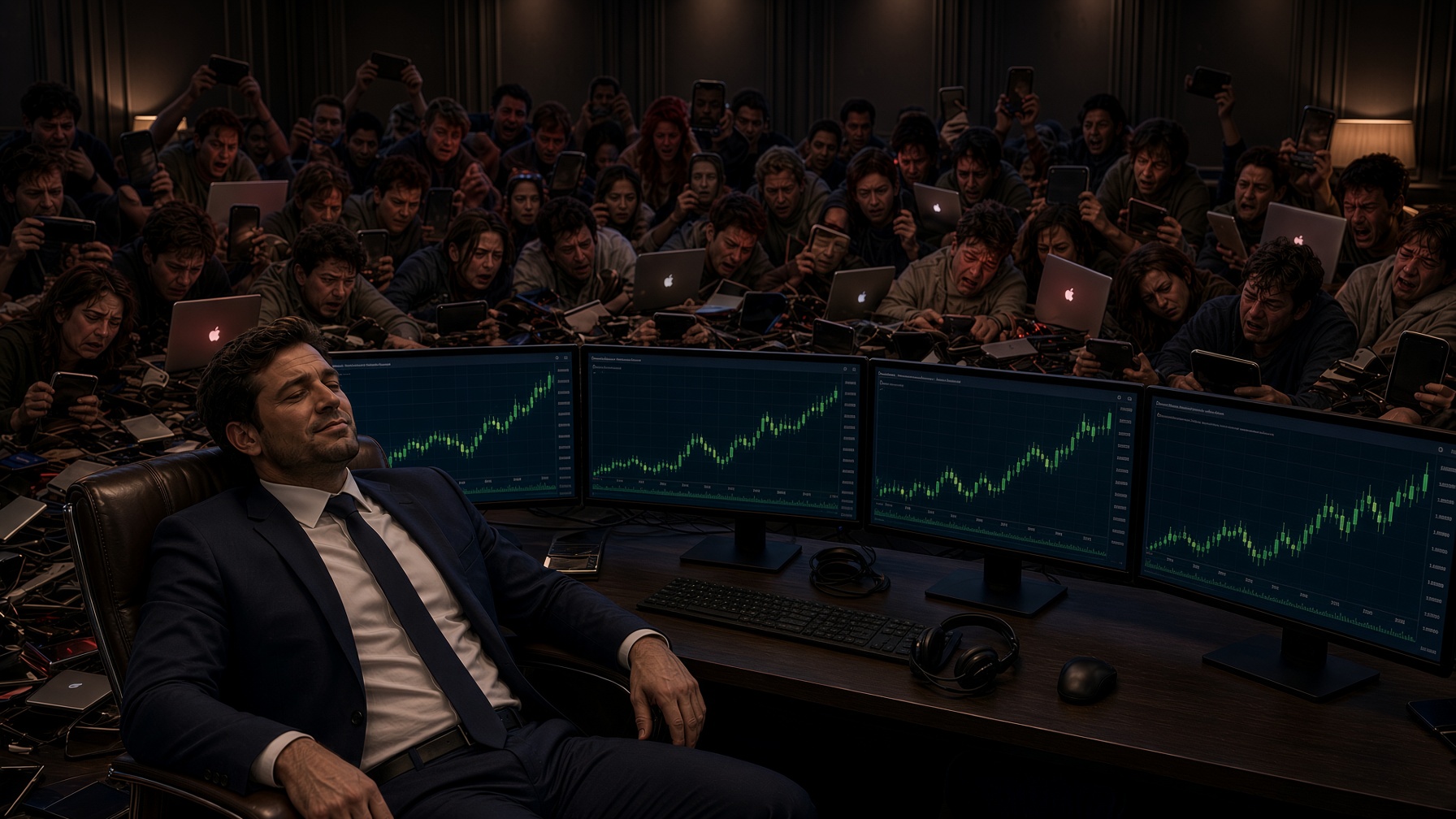

Accessibility Draws New Users into High-Risk Trading on Cultural Events
Prediction market platforms have opened trading in sports outcomes, celebrity awards, and pop culture moments to users aged 18+, creating easy entry points that worry mental health clinicians. Sports betting apps have a mandatory 21+ age requirement in all states where sports betting is legal, but federally regulated commodities markets have an 18+ age requirement.
Many young adults, previously barred from traditional sportsbooks, now have cellphone access to contracts on NBA games, Taylor Swift music releases, and reality television dramas. As you might expect, reports of compulsive behavior related to gaming and wagering have increased among this age group.
Traders chasing rapid movements in live sports events and entertainment futures often deposit funds impulsively during peak excitement. This constant availability of events, coupled with always-in-your-hand mobile apps, keeps users checking odds around the clock. As a result, stories are emerging of mounting losses that disrupt daily life and relationships as detailed in this Guardian investigation.
None of this is unexpected or outside basic common sense. Expanding access to potentially addictive products will lead to more addiction. The real questions are what causes it, how bad is it and what can be done about it, preferably without full-scale prohibitions with their own track records of failures and complications.
Problem Gambling Impact Statistics
| Group | Reported Issue Rate | Key Factor |
|---|---|---|
| Young Adults 18-24 | Up to 37% | High Accessibility |
| Sports & Entertainment Bettors | 23% Rise in Help Searches | Live Events |
| Overall Users | Median 7% Balance Loss in 90 Days | Rapid Trading |
These numbers highlight how sports and entertainment-focused contracts accelerate risks for vulnerable groups. Data comes from recent surveys tracking behavioral shifts, as reported by outlets such as Fortune.
Recovering Bettors Relapse Through Entertainment and Sports Contracts
The Washington Post reported on a soccer coach who had self-excluded (banned himself via trading limits) from sportsbooks and turned to prediction platforms during recovery, only to face the same rush from trading on matches and player performances. Similarly, a tax accountant described experiencing the same highs while placing contracts for awards shows and cultural milestones. Both individuals lost thousands before recognizing the pattern.
These are anecdotal tales, but the general surveys reveal they are part of a broader statistical phenomenon.
Clinicians at practices like The Better Institute note identical cycles of anticipation, action, and regret among clients using these markets. Moreover, the more technical appearance of event contracts in financial markets can mask the emotional pull of traditional casino-like visuals, leading users to underestimate the dangers. This dynamic proves especially potent for pop culture bets, where betting on Taylor Swift’s wedding news can feel very lighthearted, even if it’s real dollar wagering.
Platforms Market to Young Adult Audiences with Sports and Celebrity Focus
Prediction market platforms are now sponsoring campus events and partnering with influencers to promote trading on everything from sporting events to music album releases and favorite TV show outcomes. Consequently, young men and increasingly women encounter these opportunities through word-of-mouth marketing, their social feeds, and branded events with merchandise giveaways.
There’s nothing illegal or illicit about this type of in-person event and influencer marketing to college-aged students. All brands seeking that age group do this. But it’s of particular concern now with this wagering product.
One user shared on social media how constant notifications about entertainment events pulled him back into daily trading after months of trying to quit. Although prediction market platforms position themselves differently from standard betting platforms, therapists report seeing the same loss-chasing behaviors in clients hooked on sports futures and cultural contracts. As volumes climb in entertainment markets, so do calls to help lines.
Lack of Safeguards Amplifies Dangers in Entertainment Betting
Unlike regulated sportsbooks, which have responded to years of public scrutiny and regulation around addiction issues with mandatory controls and guardrails, many prediction platforms offer limited self-exclusion tools and no mandatory spending alerts for users fixated on awards or game props.
While these platforms are making changes to their policies and toolsets to catch up, prediction market users report repeatedly depositing during live cultural events without friction, thereby fueling escalation. This kind of chasing losses activity is typically flagged and prohibited by sportsbooks.
It should be noted that sportsbooks also tend to stop bettors who are winning too much and seen as “advantaged players”. Another key difference that has sent people toward prediction markets.
Mental health professionals treating gambling disorders highlight how the now 24/7 nature of sports and pop culture markets creates relentless triggers, often in the middle of the night or other times when decision-making is not perhaps at its peak. This accessibility to 18-year-olds raises particular alarms among youth-focused clinicians.
Common Warning Signs in Users
| Behavior | Description | Associated Markets |
|---|---|---|
| Rapid Deposits | Multiple transactions during events | Live Sports & Awards |
| Secrecy Around Activity | Hiding losses from family | Entertainment Futures |
| Chasing Losses | Increasing bets after setbacks | Cultural & Celebrity Events |
As with any illness, early intervention and treatment always increase the likelihood of successful recovery. If you know anybody exhibiting these signs, get involved as soon as you can.
Youth Engagement with Pop Culture Contracts Raises Long-Term Concerns
Gen Z and millennials can often view platforms that offer bets on movies, music, and viral moments as casual forms of entertainment. Yet clinicians document rising cases of anxiety, depression, and financial distress tied to these activities. Families report discovering unexpected, sizable debts from seemingly harmless cultural wagers.
One widely viewed video explores how these markets attract and hook users seeking quick involvement in trending topics. Although some users profit in the short term, most studies show net losses that compound emotional strain.
Calls Mount for Stronger Protections on Sports and Entertainment Markets
Lawmakers and advocacy groups are pushing for consistent safeguards, including stronger age verification, robust and promoted self-exclusion tools, and problem-gambling resources in all event contracts. Congressional letters urge platforms to adopt tools proven effective in traditional betting environments. Still, public health researchers frame these markets as emerging threats requiring urgent attention.
National Council on Problem Gambling representatives emphasize that functionally similar prediction-market trading to betting requires equivalent protections regardless of labeling. Affected individuals and families advocate for transparency about risks in sports and cultural trading.
Therapists at addiction treatment centers continue documenting cases where pop culture bets served as gateways or relapse triggers. This evidence continues to build pressure for industry-wide changes.
References
- Guardian on Kalshi and Polymarket Addiction Concerns
- Washington Post on Relapses
- Fortune on Young Adults and Addiction
- Quartz on Teenage Gamblers
- National Council on Problem Gambling
- Senate Hearing YouTube Video
- Teen Gamblers Video
- Business Insider User Stories
- Science Journal on Public Health Risks