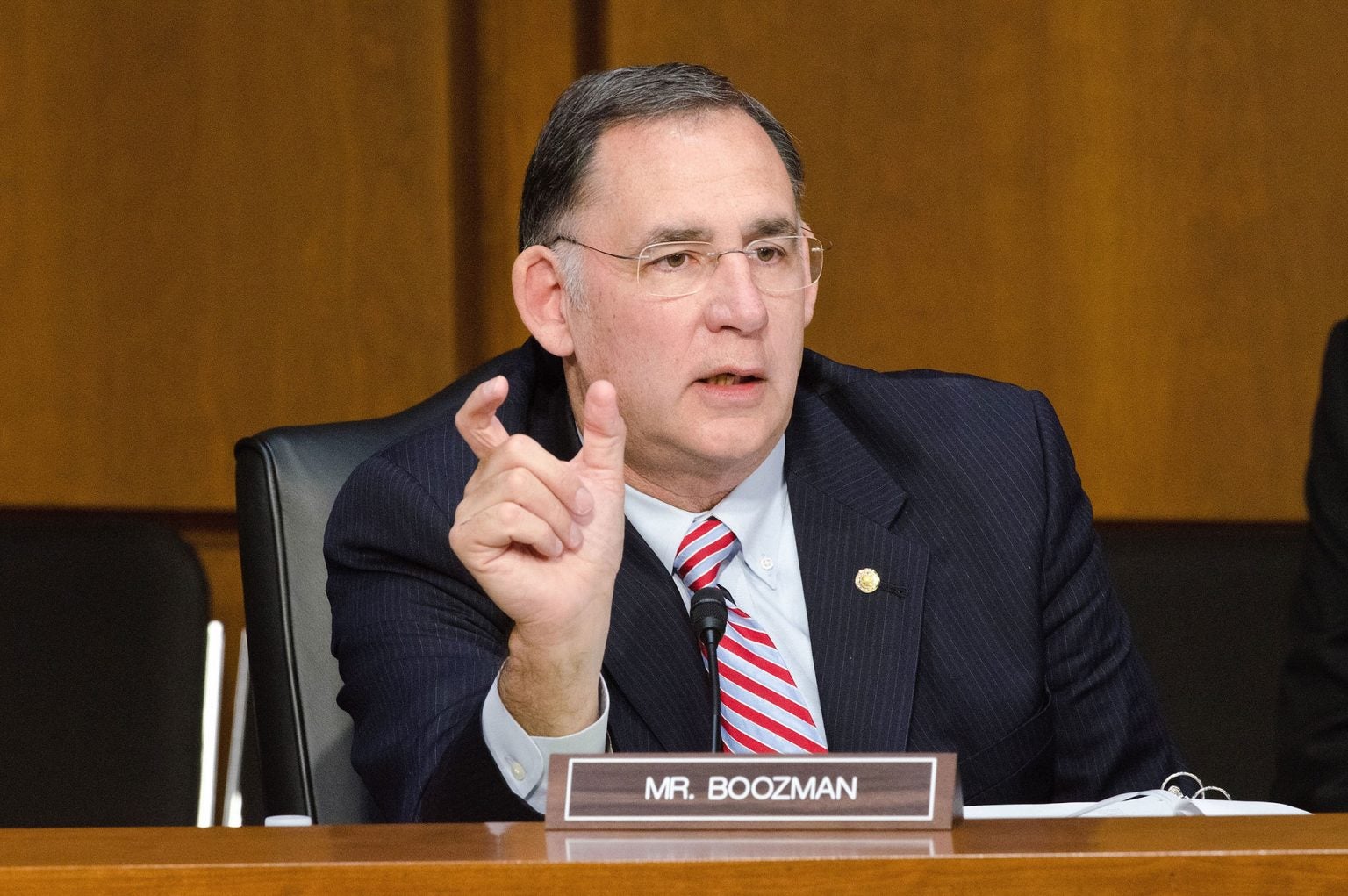
Republican Senator John Boozman, as chair of the Senate Agriculture Committee, has emerged as a key figure advocating for enhanced federal oversight of prediction markets. Describing the sector as a “Wild West” environment with insufficient regulatory safeguards. Boozman is spearheading efforts to impose stricter controls. This push comes amid growing concerns over the rapid expansion of platforms that facilitate wagers on future events through tradable contracts. Boozman’s initiative highlights tensions between innovation and traditional regulatory frameworks, setting the stage for potential legislative changes that could reshape the industry.
Boozman’s Regulatory Vision and Upcoming Scrutiny
At the heart of Boozman’s campaign is a demand for comprehensive federal regulation to address what he perceives as a lack of accountability in prediction markets. He has publicly criticized the current setup, where users can trade contracts that yield payouts based on accurate forecasts while incurring losses on erroneous ones. Boozman argues that without robust oversight, these markets operate in a regulatory vacuum, potentially exposing participants to undue risks and undermining market integrity.
In an upcoming Senate hearing, Boozman plans to rigorously question the newly appointed CFTC Chairman, Michael Selig. His inquiries will focus on critical areas such as monitoring user trades, establishing protocols for assigning responsibility in cases of system failures, and implementing measures to ensure overall market stability.
“This is an area that just caught fire; I don’t think anybody expected it to grow at the rate that it has. But there is concern; it’s the Wild West. There’s not much regulation. Probably at some point, either from a regulatory standpoint or Congress stepping in and passing some sort of law, it does need to be cleaned up.”
— Senate Agriculture Chair John Boozman, R-Ark., whose committee has jurisdiction over the CFTC
Boozman has warned that if the CFTC fails to take decisive action, Congress may step in with targeted legislation to enforce compliance. This approach underscores his commitment to transforming the “Wild West” into a structured, accountable landscape. We’ve previously seen Congressional oversight efforts into legalized sports betting.
Key Concerns Driving Boozman’s Agenda
Boozman’s concerns extend beyond mere operational flaws. He emphasizes the need for transparency in trading activities, arguing that real-time tracking of user behaviors is essential to prevent manipulation and fraud. Additionally, he advocates for clear liability guidelines, ensuring that platform operators are held accountable for technical glitches or disruptions that affect outcomes. Market stability, in his view, requires safeguards against volatility induced by speculative trading, which could have broader economic repercussions.
These priorities reflect a broader apprehension about the unchecked growth of digital betting platforms. By pushing for these reforms, Boozman aims to align prediction markets with established financial regulatory standards, potentially requiring licenses, audits, and reporting obligations similar to those in securities trading.
Influence from Traditional Gambling Sectors
A significant driver behind Boozman’s stance is the input from entrenched gambling interests, particularly tribal casinos and state-regulated operators. These entities view prediction markets as direct competitors that bypass local taxation and licensing requirements, creating an uneven playing field. Boozman has actively consulted with representatives from these groups, incorporating their perspectives to protect long-standing industries that contribute substantially to state revenues and employment.
Readers can make their own determination of the impact of financial donations to elected officials’ campaign coffers and their possible impact on those officials’ public positions.
There are 532 Native American gaming operations in the United States. These are owned by 243 of the nation's 574 federally recognized tribes. These gaming tribes operate in 29 of the 50 states. Annual revenue from all Indian gaming reached $44 billion (FY 2024) and represents 43% of all casino gaming revenue in the U.S.
The traditional gambling sector argues that online prediction platforms erode their market share by offering untaxed, unregulated alternatives. This competition is seen as particularly unfair in states where casinos and lotteries are heavily regulated and taxed. Boozman’s collaboration with these stakeholders highlights a protective instinct toward established economic models, aiming to integrate prediction markets into a framework that levels the competitive landscape.
Economic Impacts of Unregulated Markets
The economic stakes are high. Traditional gambling operations generate billions in annual revenue, supporting jobs and community programs. Unregulated prediction markets, by contrast, could divert funds away from these sources, reducing tax inflows and potentially leading to job losses. Boozman’s efforts seek to mitigate these risks by advocating for a regulatory regime that mandates contributions to public coffers, similar to those imposed on casinos.
| Aspect | Traditional Gambling (Regulated) | Prediction Markets (Unregulated) |
|---|---|---|
| Taxation | Subject to state and federal taxes | Largely untaxed |
| Licensing | Required, with oversight | No formal requirements |
| Economic Contribution | Supports local economies | Potential revenue diversion |
| Competition | Protected by regulations | Unfair advantage |
Divisions Within the Republican Party
The debate over prediction markets has created notable fractures within the Republican Party, pitting pro-innovation advocates against those prioritizing social and economic conservatism. On one side, figures aligned with technological advancement champion these markets as embodiments of free-market principles, often linking them to broader cryptocurrency strategies.
Supporters argue that prediction markets foster efficient information aggregation and risk management, enhancing economic decision-making. They view regulatory overreach as a barrier to innovation, potentially stifling growth in emerging digital economies. This faction sees the markets as tools for decentralizing forecasting, away from centralized authorities.
Opposition from Social Conservatives
Conversely, social conservatives within the party decry prediction markets as forms of “pure gambling” that pose moral hazards, financial stress, and threaten family stability. They express concerns over the addictive nature of betting on events, which could lead to financial ruin for vulnerable individuals. This group advocates for restrictions to safeguard societal values, emphasizing the potential for these platforms to exacerbate gambling-related issues.
Additionally, Republicans from states with strong casino industries prioritize local economic interests, aligning with Boozman to protect revenue streams that fund public services. This internal divide illustrates the tension between embracing technological progress and upholding traditional protections.
Unified Democratic Opposition
Democrats present a largely united front against prediction markets, raising alarms over systemic risks, including money laundering, wager manipulation, and bets on sensitive geopolitical issues such as conflicts. They argue that these platforms could be exploited for illicit activities, given their anonymous nature and global reach.
Prominent Democrats highlight the dangers of rigging outcomes through insider information or coordinated trading, which could distort market signals and lead to broader financial instability. Bets on warfare or political assassinations are particularly contentious, seen as commodifying human suffering and potentially incentivizing harmful behaviors.
Risks and Regulatory Gaps
The opposition underscores regulatory gaps that allow anonymous participation, facilitating money-laundering schemes. They call for stringent know-your-customer protocols and transaction monitoring to align with anti-money-laundering standards. This stance reflects a broader Democratic emphasis on consumer protection and ethical market practices.
Cross-Party Alliances and Legal Challenges
The controversy has fostered unusual cross-party alliances, with conservatives and progressives converging on the need for tighter controls. This bipartisanship amplifies the pressure on the CFTC and could accelerate legislative reforms. For its part, the CFTC and Chairman Selig staunchly defend both their role and level of oversight over the prediction markets. Selig is in the midst of numerous disputes with State regulators attempting to characterize prediction markets as gambling, or portions thereof as sports betting, and claiming supervisory and licensing rights.
States have also entered the fray, with legal actions challenging federal rules that preempt local regulations. These lawsuits argue for state sovereignty in gambling oversight, potentially leading to a patchwork of restrictions if successful. Such developments could complicate the operational landscape for prediction markets, forcing adaptations or relocations.
Implications for the Industry
The broader implications include potential innovation stifling if regulations become overly burdensome. However, proponents of oversight contend that credible regulation could legitimize the sector, attracting institutional investors and enhancing reliability. Balancing these outcomes will be crucial as debates unfold.
Future Outlook and Strategic Considerations
As Boozman’s efforts gain momentum, the prediction markets industry faces a pivotal moment. Stakeholders must navigate evolving regulatory expectations, potentially investing in compliance infrastructure to preempt mandates. The outcome of the CFTC hearing and subsequent actions will signal the trajectory, influencing investment decisions and platform strategies.
Industry leaders may need to engage in advocacy, demonstrating self-regulatory measures to mitigate concerns. Meanwhile, policymakers must weigh the benefits of predictive insights against risks, crafting rules that foster responsible growth. This ongoing saga underscores the challenges of regulating digital frontiers in a polarized political environment.