Google News displayed live Polymarket betting odds directly alongside established news reports from Reuters and The Guardian. Users spotted the wagers appearing in personalized feeds and main search results. The incident treated market contracts on real-world events as legitimate news content.
Tech journalists at Futurism first broke the story after replicating the displays in multiple tests. This development ignites passionate debate about how platforms curate information for millions of daily users searching for current events.
Polymarket Blocks Integrate Into Google News For You Section and Homepage
Personalized Google News sections began featuring large blocks of Polymarket content, complete with direct links to active betting markets. These blocks appeared prominently in the For You feed tailored to individual interests and even landed on the Google News homepage in some cases. Traders and casual scrollers encountered the odds while seeking updates on current events. One search for Bitcoin-related queries returned a Polymarket wager as the top result, ahead of traditional coverage. The integration caught users off guard and prompted immediate questions about Google’s content eligibility standards.
Futurism reporters documented how the betting links integrated seamlessly into news streams. Users could select Polymarket as a dedicated source in Google News search results, leading to aggregated pages of additional market data. This functionality amplified the visibility of wagers on everything from geopolitical developments to financial movements. Social media users reacted swiftly, sharing screenshots of the unexpected placements. The episode underscores growing tensions over algorithmic decisions that influence what counts as news today.
Strait of Hormuz Betting Market Appears Beside Guardian and Reuters Articles
A targeted search for information on ships transiting the Strait of Hormuz returned credible articles from The Guardian, Reuters, and the Financial Times. Directly below these reports sat a Polymarket contract betting on the exact number of vessels allowed through the critical passageway during a specific April window. The placement created a jarring juxtaposition between journalistic analysis and live trading opportunities. Readers pursuing factual updates instead confronted odds that invited financial stakes on the same unfolding events. This example crystallized concerns that prediction market data had infiltrated core news discovery pathways.
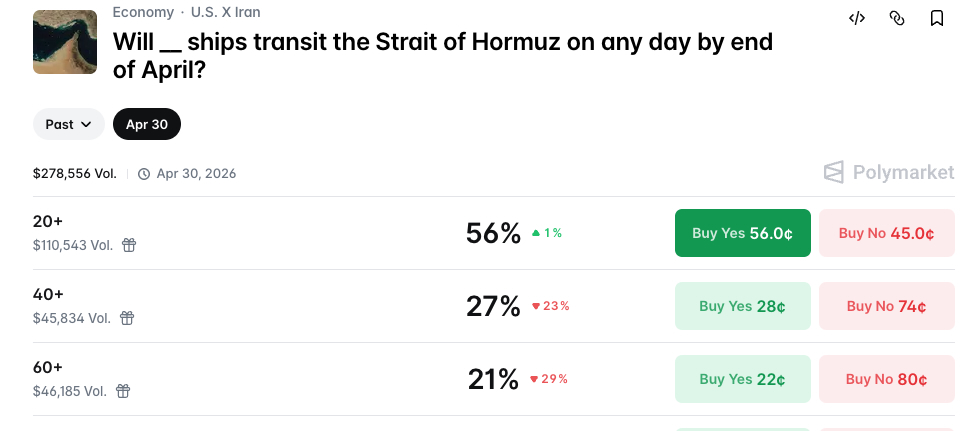
Similar patterns emerged across other timely queries, generating widespread user frustration. The Polymarket event page linked users straight into active trading without any disclaimer separating it from editorial content. Journalists covering the story emphasized how such displays could mislead audiences seeking reliable information. The specific Hormuz market gained extra attention due to its connection to high-stakes global developments. Google acted quickly once the issue gained traction.
Google Spokespeople Confirm Polymarket Display Constituted an Error
Google spokespeople addressed the controversy through statements to The Verge confirming that Polymarket listings violated internal policies. Spokesperson Ned Adriance explained that Google News prioritizes sources producing content on current issues while maintaining strict eligibility rules. The company described the brief appearance as an error and confirmed the listings no longer surface in News results. This rapid removal followed initial speculation that the integration might represent a deliberate test or partnership expansion.
The Verge detailed how the error allowed betting markets tied to specific news events to appear alongside legitimate organizations. Google maintains partnerships with prediction platforms for finance-related data, yet drew a firm line against News inclusion. Tech coverage amplified calls for greater transparency in algorithmic curation processes. The response highlights Google’s balancing act between innovation and responsibility in information delivery.
This short video captures early reactions to the Polymarket integration appearing in Google News feeds. The report underscores how quickly users noticed and documented the anomaly. Such documentation fueled broader conversations about platform accountability.
Social Media Users Drive Visibility of the Google Polymarket Controversy
Digital marketing professional Anthony Higman posted on X, highlighting Polymarket as the top Google News result and declaring the moment noteworthy. The post included screenshots that spread rapidly among tech communities. Higman’s observation from late March provided early evidence of the creeping integration.
Techmeme amplified the story on X by linking directly to the Futurism investigation and noting appearances in the For You sections and on the homepage. These posts galvanized further discussion and compelled Google to respond publicly.
Users across platforms expressed disbelief that betting interfaces had earned placement on par with established journalism. The shared screenshots illustrated the seamless yet problematic blending of formats. Such documentation accelerated the story’s momentum and pressured platforms to address the mismatch. Community reactions mixed amusement with genuine alarm over news integrity. The episode demonstrates how social platforms accelerate scrutiny of major tech decisions.
Timeline of Polymarket Displays and Google Response
| Date | Event |
|---|---|
| Late March 2026 | Users begin reporting Polymarket blocks in Google News For You feeds and searches |
| Early April 2026 | Google confirms the error via a spokesperson and removes the listings |
| April 10 2026 | Techmeme and others share reports sparking wider visibility |
| April 11 2026 | Google confirms error via a spokesperson and removes the listings |
Implications for Future Platform Integrations and User Trust
The removal of Polymarket listings restores some normalcy to Google News feeds yet prompts reflection on prevention strategies. Users report heightened awareness when scanning results for unexpected commercial elements. The incident underscores risks associated with algorithmic experimentation in sensitive news environments. Tech coverage continues exploring how similar glitches might affect other platforms or content types. Sustained dialogue ensures that innovation enhances rather than undermines information integrity.
Google’s clear policy statement reinforces boundaries between news and betting interfaces. Spokespeople maintain focus on delivering value through verified sources. The event nevertheless sparks creative discussions about hybrid content models and their viability. Readers benefit from greater transparency when platforms openly explain their curation choices. This episode ultimately strengthens calls for ethical frameworks guiding algorithmic decisions in news delivery.
References
- Google News Now Prominently Featuring Polymarket Bets – Futurism
- Google says Polymarket bets showing up in News was an ‘error’ – The Verge
- Anthony Higman X post on Polymarket as top Google News result
- Techmeme X post linking Futurism report on Google News Polymarket displays
- YouTube short on Google News integrating Polymarket betting odds