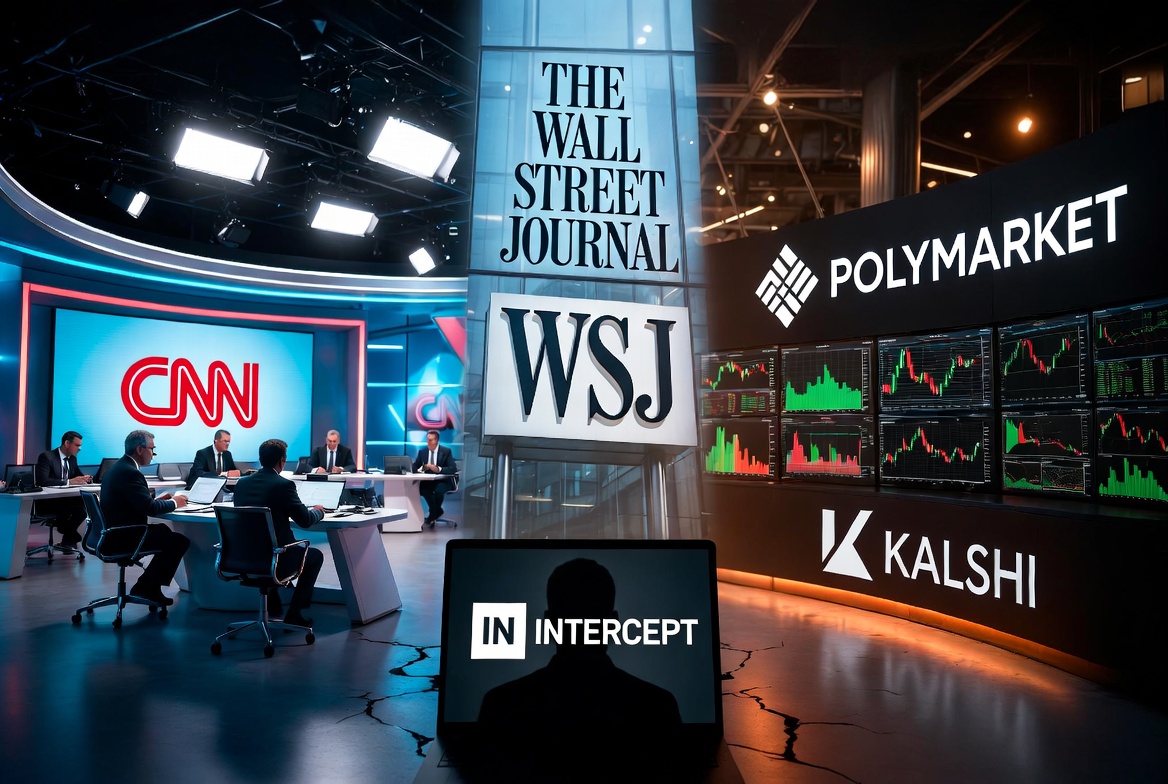
Tekendra Parmar’s explosive op-ed in The Intercept exposed the growing dangers of prediction market journalism partnerships. Mainstream media outlets now embed real-time betting odds from Kalshi and Polymarket directly into coverage, raising serious questions about editorial independence and news integrity. This December 29, 2025, analysis reveals how these media prediction market deals transform complex events into tradable assets and threaten to distort reporting priorities across the industry.
Parmar argues forcefully that these collaborations do far more than provide flashy data points. They monetize differences in public opinion while eroding the foundational principles of independent journalism. As news organizations integrate prediction markets in news coverage, they risk ceding narrative control to market-driven probabilities that favor profit over verified facts.
The Rapid Rise of Media Betting Partnerships With Prediction Platforms
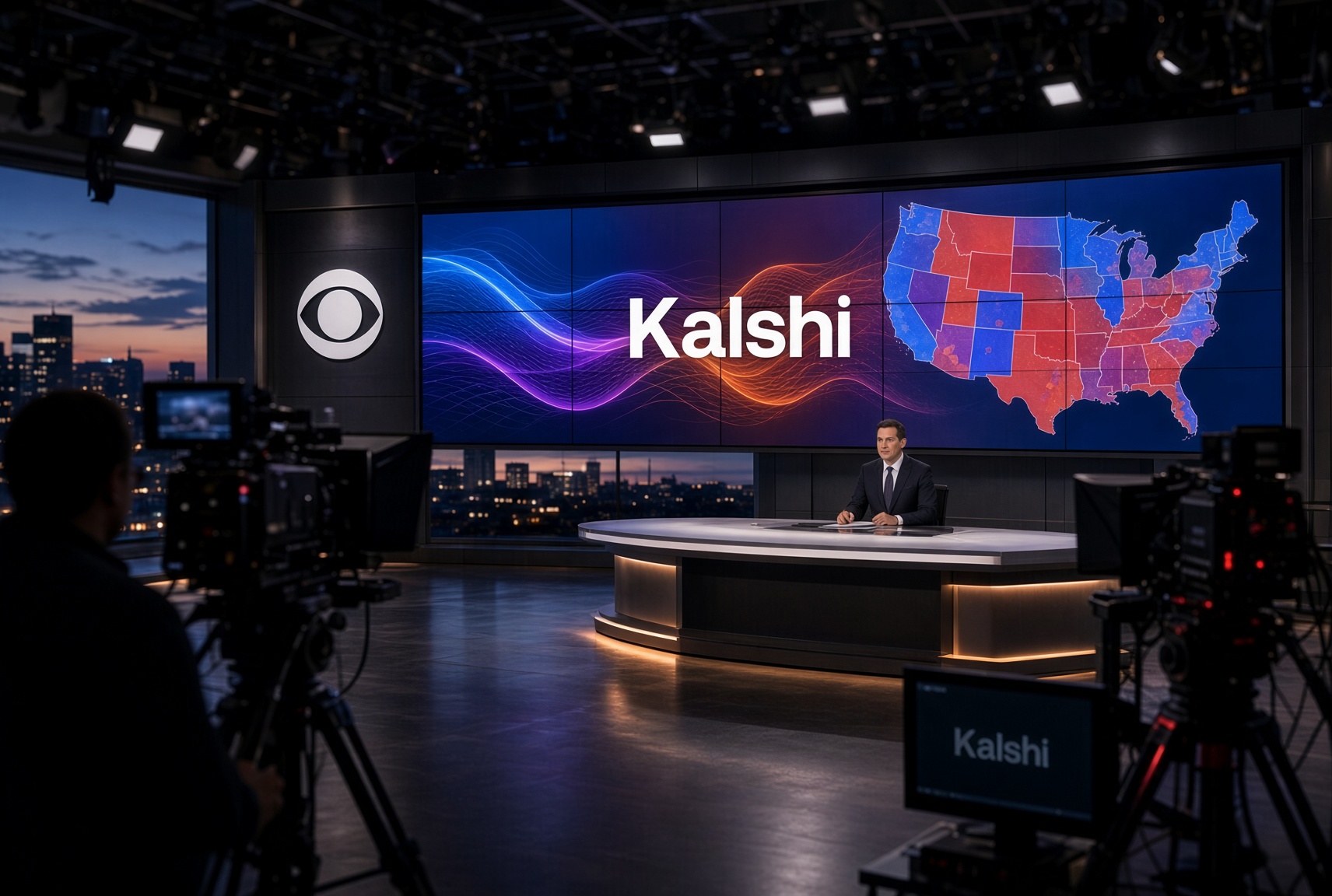
Publishers have aggressively pursued exclusive agreements that weave prediction market data into stories, segments, and digital modules. Kalshi secured official partnerships with CNN and CNBC in early December 2025, supplying live probabilities for election updates and major policy discussions. Polymarket simultaneously finalized deals with Yahoo Finance and an exclusive arrangement with Dow Jones, publisher of The Wall Street Journal, to feature betting odds across financial and political content.
These prediction market journalism partnerships position crowd-sourced betting platforms as authoritative forecasting tools. Time Magazine also partnered with Galactic, another emerging platform, framing the move as an enhancement of audience engagement. The surge in media prediction market deals coincides with intense pressure on legacy outlets to demonstrate real-time relevance and accuracy.
Major Media Outlets Forming Prediction Market Partnerships
| Media Outlet | Prediction Platform | Partnership Details |
|---|---|---|
| CNN | Kalshi | Official integration of betting probabilities across television, digital, and streaming platforms |
| CNBC | Kalshi | Exclusive supply of prediction data for financial news and political analysis |
| The Wall Street Journal / Dow Jones | Polymarket | Dedicated modules displaying real-time odds on economic and political events |
| Yahoo Finance | Polymarket | Comprehensive data sharing for market-moving news stories |
How Financializing Opinions Creates a Dangerous News Ecosystem
Kalshi CEO Tarek Mansour openly described the vision during a major October 2025 finance conference. He spoke of financializing every difference in opinion and turning it into a tradable asset. Parmar highlights this statement in The Intercept and warns that it leads to a dystopian media landscape where human events become betting fodder.
Supporters claim prediction markets in news coverage deliver superior accuracy through collective wisdom. Parmar dismantles this assertion by citing inconsistent reactions to the same information and heavy user skew toward specific demographics. The outcome leaves forecasts exposed to distortion exactly when reliable journalism matters most.
Manipulation risks compound these issues. Regulators previously documented attempts to sway Polymarket odds through coordinated large bets during the 2024 election cycle. Deep-pocketed participants continue influencing probabilities, with effects that can persist and shape headlines for extended periods.
Manipulation Vulnerabilities Threaten Prediction Market Journalism Reliability
While prediction platforms occasionally outperform traditional polls in tight timeframes, they fall short of the consistent precision their advocates promote. Platforms with tighter limits have shown stronger accuracy records, suggesting raw trading volume alone does not produce reliable wisdom. Parmar emphasizes these limitations in the context of media prediction market deals.
Self-regulation promises from platforms, including bans on insider activity, have proven insufficient. High-profile cases involving politicians trading on their own prospects reveal persistent gaps. These vulnerabilities become especially problematic when news organizations lend credibility through formal partnerships.
This opinion segment explores how betting platforms actively court news organizations and illustrates the tension between entertainment value and serious journalistic standards.
Betting Odds Now Shape Editorial Decisions and Story Priorities
Defenders describe these integrations as helpful tools that assist audiences facing uncertainty. Kalshi probabilities appear regularly in CNN coverage of policy developments, while Polymarket data populates Wall Street Journal economic forecasts. Parmar cautions that the practice encourages newsrooms to follow market swings rather than conduct independent investigations.
Reporters increasingly face pressure to frame narratives around fluctuating odds that reflect trader sentiment instead of ground realities. The financialization extends to serious topics, including policy outcomes and humanitarian crises. Parmar contends this approach diminishes the gravity that quality journalism traditionally assigns to human consequences.
ProPublica strengthened its ethics code to prohibit staff participation in prediction markets tied to news events. CNN maintains similar internal restrictions for editorial employees even while partnering with Kalshi. These contradictions highlight internal challenges created by prediction market journalism partnerships.
Declining Public Trust Accelerates Amid Media Betting Integrations
News consumers already express deep skepticism about the media’s motives after years of eroding confidence. Embedding prediction market data as a reporting staple only intensifies doubts as audiences question whether coverage serves truth or trading activity. Parmar connects these partnerships to broader fractures in shared understanding.
Political actors discover new channels for influence through strategic bets that quickly translate into news coverage. When outlets amplify the resulting probabilities, they risk magnifying manipulation efforts. The dynamic rewards dramatic movements over substantive reporting, leaving readers navigating biased signals.
Academic studies document how coordinated trading can sustain artificial probabilities over time. Journalists who reference these figures without sufficient context may unintentionally mislead audiences about the likelihood of actual events.
Strong Ethical Standards Needed to Shield Journalism From Betting Influence
Parmar’s timely critique arrives as newsrooms evaluate whether to expand these alliances or establish clear boundaries. The Columbia Journalism Review has voiced parallel worries about the normalizing impact on industry standards. Independent reporters also report direct outreach offering compensation to incorporate market data.
Organizations committed to integrity must update their policies to explicitly address these new conflicts. Restrictions on personal trading for politics and policy reporters should align with existing financial disclosure rules. Full transparency regarding partnership financial terms remains critical for preserving audience confidence.
This discussion details systemic vulnerabilities that can directly compromise information flows now integrated into mainstream reporting.
Journalism Must Defend Independence Against Speculative Market Pressures
The Intercept analysis delivers a powerful wake-up call that echoes throughout the profession. Media betting partnerships with Kalshi and Polymarket promise technological innovation yet introduce profound ethical hazards that require immediate action. Dedicated journalists must resist the financialization of news and maintain firm boundaries around core values.
Parmar lays bare the central contradiction: outlets seeking enhanced accuracy through prediction markets simultaneously expose themselves to bias and manipulation. Audiences deserve evidence-based reporting rather than odds that shift with capital flows. Decisions made in 2026 will shape whether journalism retains its watchdog role or merges into the expanding prediction economy.
References
- These Apps Let You Bet on Deportations and Famine. Mainstream Media Is Eating It Up. by Tekendra Parmar, The Intercept, December 29, 2025
- Kalshi to become CNN’s official prediction market partner, Kalshi News, December 2, 2025
- Polymarket, Dow Jones Partner to Display Prediction-Markets Data in Dow Jones Content, The Wall Street Journal, January 7, 2026
- The Problem with Binding News and Prediction Markets, Columbia Journalism Review, April 2, 2026
- Polymarket Strikes Major Deal With Dow Jones, WSJ to Distribute Prediction Data, Yahoo Finance, January 7, 2026
- CNBC and Kalshi Strike Exclusive Partnership, CNBC, December 4, 2025
- Last Week Tonight with John Oliver (HBO) on Prediction Markets, YouTube, 2026
- Prediction Markets’ Manipulation Problem Deepens, YouTube, 2026
- Polymarket and Dow Jones Announce Exclusive Prediction Market Partnership, Dow Jones Press Room, January 7, 2026
- Rules of the Road for Newsrooms Grappling With Prediction Markets, The Dispatch, 2026