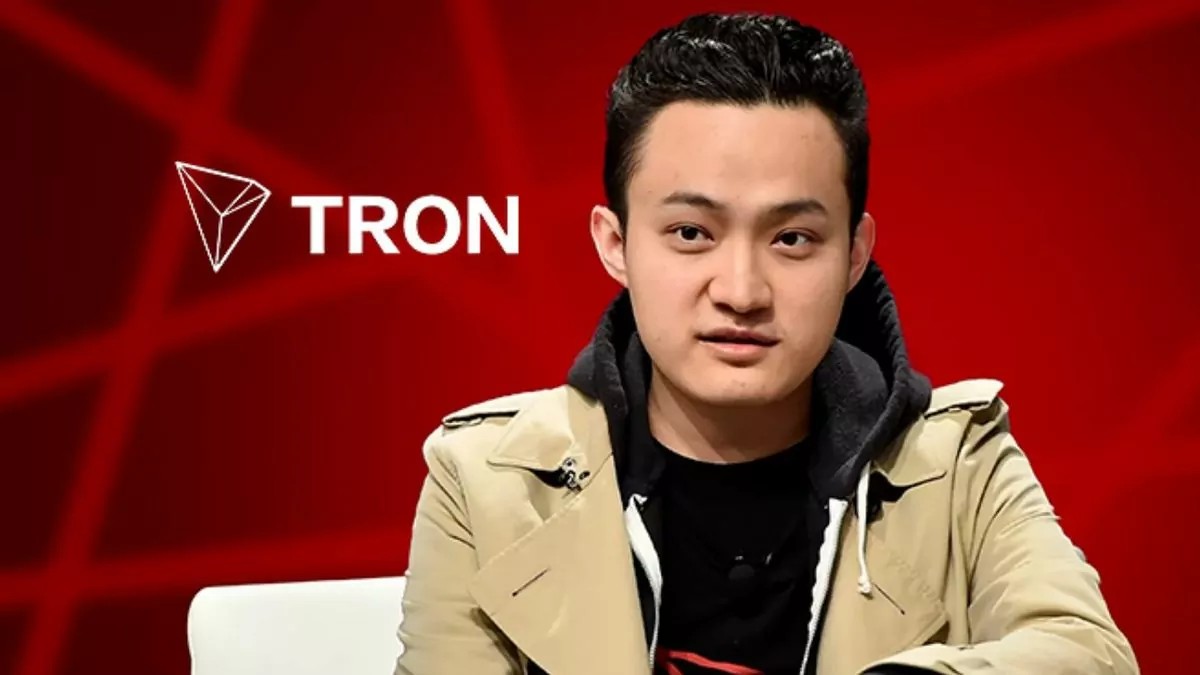
In a development that has captured the attention of the cryptocurrency community, the U.S. Securities and Exchange Commission (SEC) has finalized a settlement with Justin Sun, the founder of the Tron blockchain, and associated entities. This agreement, which includes a substantial $10 million civil penalty paid by Rainberry Inc., marks the resolution of a protracted legal battle initiated in 2023. The settlement has not only closed a chapter on allegations of securities violations but also sparked vibrant discussions among traders on platforms like Kalshi about the broader ramifications for crypto-related prediction markets. As stakeholders digest the terms, questions arise about how this outcome might influence future regulatory approaches and market predictions in the digital asset space.
The intrigue surrounding this settlement lies in its potential to reshape perceptions of regulatory risks in cryptocurrency ecosystems. Traders and analysts are keenly evaluating whether this resolution signals a softening stance from the SEC or merely a strategic closure amid shifting political landscapes. With crypto assets increasingly intertwined with predictive betting, the discourse on Kalshi highlights uncertainties around how similar cases could affect market odds on regulatory events, token classifications, and industry-wide compliance strategies.
Breaking Down the SEC Settlement with Justin Sun: Key Terms and Agreements
The settlement, detailed in a court filing on March 5, 2026, outlines specific provisions that bring closure to the SEC’s claims. Rainberry Inc., formerly known as BitTorrent and affiliated with the Tron network, has agreed to pay a $10 million fine to resolve the allegations. In exchange, the SEC has moved to dismiss all claims against Justin Sun personally, the Tron Foundation, and the BitTorrent Foundation with prejudice, meaning these claims cannot be refiled. Notably, the parties involved neither admitted nor denied the SEC’s allegations, a common feature in such regulatory resolutions that allows for closure without explicit acknowledgment of wrongdoing.
This arrangement underscores a pragmatic approach to ending the litigation, which had been paused shortly after significant political changes in the U.S. administration. The fine imposed on Rainberry represents a tangible consequence, yet the dismissal of broader claims provides relief to Sun and his organizations. Observers note that this outcome could set precedents for how the SEC handles similar disputes involving blockchain founders and their projects, potentially encouraging more settlements over prolonged court battles.
Recapping the Original Allegations: From Unregistered Securities to Market Manipulation
The SEC’s lawsuit, filed in March 2023, accused Sun and his companies of multiple violations related to the Tron (TRX) and BitTorrent (BTT) tokens. Central to the case were claims that these tokens were sold and distributed as unregistered securities to U.S. investors, bypassing necessary registration requirements. Additionally, the regulator alleged the artificial inflation of trading volumes through manipulative practices known as “wash trading,” creating a false appearance of market activity.
Further complicating the matter were accusations involving celebrity endorsements. The SEC claimed that Sun and his entities concealed payments to high-profile figures who promoted the tokens without disclosing that they were compensated, potentially misleading investors. These elements formed a multifaceted case that highlighted the SEC’s scrutiny of promotional tactics in the crypto industry. Over the three-year duration, the litigation saw various motions and pauses, reflecting the complexities of applying traditional securities frameworks to decentralized technologies.
In March 2023, the SEC charged several celebrities—including Lindsay Lohan, Jake Paul, Lil Yachty, Akon, Ne-Yo, and porn star Kendra Lust—for promoting Justin Sun’s Tronix (TRX) and BitTorrent (BTT) tokens without disclosing they were paid. Most settled, with some paying fines for the unlawful promotion.
As the case progressed, it became emblematic of the SEC’s broader campaign against what it views as unregistered investment offerings in the digital asset realm. The settlement’s timing, following a change in U.S. leadership, has led some to question whether external factors influenced the decision to resolve rather than pursue further adjudication.
Justin Sun’s Perspective: A Statement of Closure and Forward Momentum
In response to the settlement, Justin Sun expressed satisfaction with the outcome via a statement on the social media platform X. “I am pleased to confirm that the SEC has moved to dismiss all claims against me, Tron Foundation, and BitTorrent Foundation,” he stated. “Today’s resolution brings closure.” This sentiment echoes a desire to move beyond the legal entanglements and focus on ongoing projects within the Tron ecosystem.
Sun’s comments emphasize relief rather than confrontation, aligning with a professional demeanor amid regulatory challenges. His ability to navigate this settlement without personal liability could bolster his standing in the crypto community, where resilience in the face of regulatory pressure is often admired. However, Rainberry’s $10 million fine serves as a reminder of the costs associated with such disputes.
Intersections with Broader Crypto Ventures: Ties to High-Profile Investments
Adding layers to the narrative, Sun’s involvement extends beyond Tron to other notable crypto initiatives, including a reported $75 million investment in a project linked to the Trump family. This connection has drawn additional scrutiny, particularly in light of the settlement. Media outlets have highlighted how Sun’s role as an early partner in Trump-related crypto endeavors positions him at the intersection of politics and digital assets.
Such affiliations raise questions about how regulatory resolutions like this one might influence investor confidence in associated projects. While the settlement resolves specific SEC claims, it does not address potential future oversight in these intertwined ventures, leaving room for ongoing analysis.
Kalshi Traders Weigh In: Discussions on Regulatory Shifts and Market Predictions
The announcement has sparked immediate reactions among traders on Kalshi. One prominent post from the account @KalshiTrade declared, “JUST IN: SEC reaches settlement with Justin Sun and Tron,” prompting a flurry of responses and analyses. Traders are debating whether this settlement indicates a more lenient regulatory environment under the current administrations or merely a case-specific resolution.
Discussions center on potential impacts for crypto-related contracts, such as those betting on future SEC actions against other tokens or founders. Some participants argue that the dismissal of claims could lower perceived risks for similar projects, potentially shifting odds in favor of positive outcomes in prediction markets. Others caution that the $10 million fine reinforces the SEC’s enforcement commitment, which might increase the likelihood of adverse regulatory events.
These conversations underscore the dynamic nature of prediction markets, where real-world developments like this settlement can rapidly alter contract valuations. Traders are sharing strategies for positioning themselves amid this uncertainty, with some eyeing contracts related to token classifications and compliance timelines.
| Justin Sun issues a statement; discussions erupt on Kalshi and other platforms | Event |
|---|---|
| March 2023 | SEC files lawsuit alleging unregistered securities sales and market manipulation |
| February 2025 | Case paused amid discussions of potential resolution |
| March 5, 2026 | Settlement announced with $10 million fine and claim dismissals |
| March 6, 2026 | Case paused amid discussions of a potential resolution |
Broader Industry Ramifications: Navigating Future Regulatory Landscapes
Beyond immediate trader chatter, the settlement prompts deeper reflections on the crypto industry’s trajectory. By resolving this high-profile case, the SEC may be signaling a willingness to negotiate rather than litigate every dispute, potentially easing tensions with innovators. However, the imposition of a significant fine maintains a deterrent effect, reminding participants of the consequences for perceived violations.
For prediction markets tied to crypto events, this development could recalibrate baselines for risk assessment. Contracts speculating on SEC approvals, token delistings, or enforcement actions might see adjusted probabilities that reflect a nuanced view of regulatory predictability. Analysts suggest that outcomes like this encourage compliance innovations, such as enhanced disclosure practices, which could stabilize market sentiments over time.
Expert Insights and Market Reactions: Quotes from the Field
Industry commentators have weighed in, offering varied perspectives. A report from CoinDesk notes the settlement’s role in closing a chapter on Tron’s regulatory woes, potentially paving the way for renewed focus on development. Similarly, Reuters highlights Sun’s statement as indicative of closure, while emphasizing the SEC’s continued vigilance.
From Yahoo Finance, insights point to the dismissal as a win for Sun, allowing him to advance other ventures without lingering legal shadows. These sources collectively paint a picture of cautious optimism, where resolution fosters progress but does not eliminate oversight.
Looking Ahead: Potential Shifts in Crypto Prediction Dynamics
As the dust settles, the focus turns to how this precedent might influence upcoming cases or policy directions. Prediction market participants on Kalshi and similar venues are already adjusting strategies, betting on whether this signals a thaw in SEC-crypto relations or a temporary reprieve. The $10 million settlement, while relatively substantial, is seen by some as a cost of doing business in a maturing industry.