Public Perception of Prediction Markets Tilts Heavily Toward Gambling Over Truth-Seeking Tool
A new national poll reveals that 61% of Americans consider purchasing event contracts on prediction markets to be closer to gambling than to investing. Only 8% view the activity as investing, 18% call it a mix, and 12% say it qualifies as neither. The survey conducted by Ipsos for the American Institute for Boys and Men also shows that only 4% of respondents believe prediction markets do any good for society.
Among those familiar with the platforms, ninety-one percent describe the contracts as financially risky, placing them on par with cryptocurrency trades or sports bets, according to the Ipsos report. Young men aged 18 to 24 express similar views, with 88% highlighting the danger. These numbers underscore a deep skepticism that prediction markets function primarily as vehicles for informed forecasting rather than high-stakes wagers.
Critics point out that this widespread perception challenges the narrative promoted by enthusiasts who frame the markets as superior aggregators of crowd wisdom. Supporters insist the platforms reveal genuine probabilities on everything from geopolitical events to economic shifts, yet the public remains unconvinced. The disconnect fuels ongoing conversations about whether these tools truly advance knowledge or simply repackage risk-taking in modern clothing.
Key Findings from the 2026 AIBM/Ipsos National Poll on Prediction Markets Perception
| Category | Percentage |
|---|---|
| Closer to gambling than investing | 61% |
| Closer to investing | 8% |
| Mix of gambling and investing | 18% |
| Neither gambling nor investing | 12% |
| View as financially risky | 91% |
| Believe prediction markets are good for society | 4% |
| Support regulating like sports gambling | 59% |
The data from the AIBM/Ipsos poll highlights a clear public preference for treating prediction markets under gambling regulations rather than investment frameworks. Pollsters note that familiarity remains low, with only 21% of adults reporting awareness and just 3% actively participating.
Ethical Debates Intensify Over Gamifying Truth in Prediction Markets
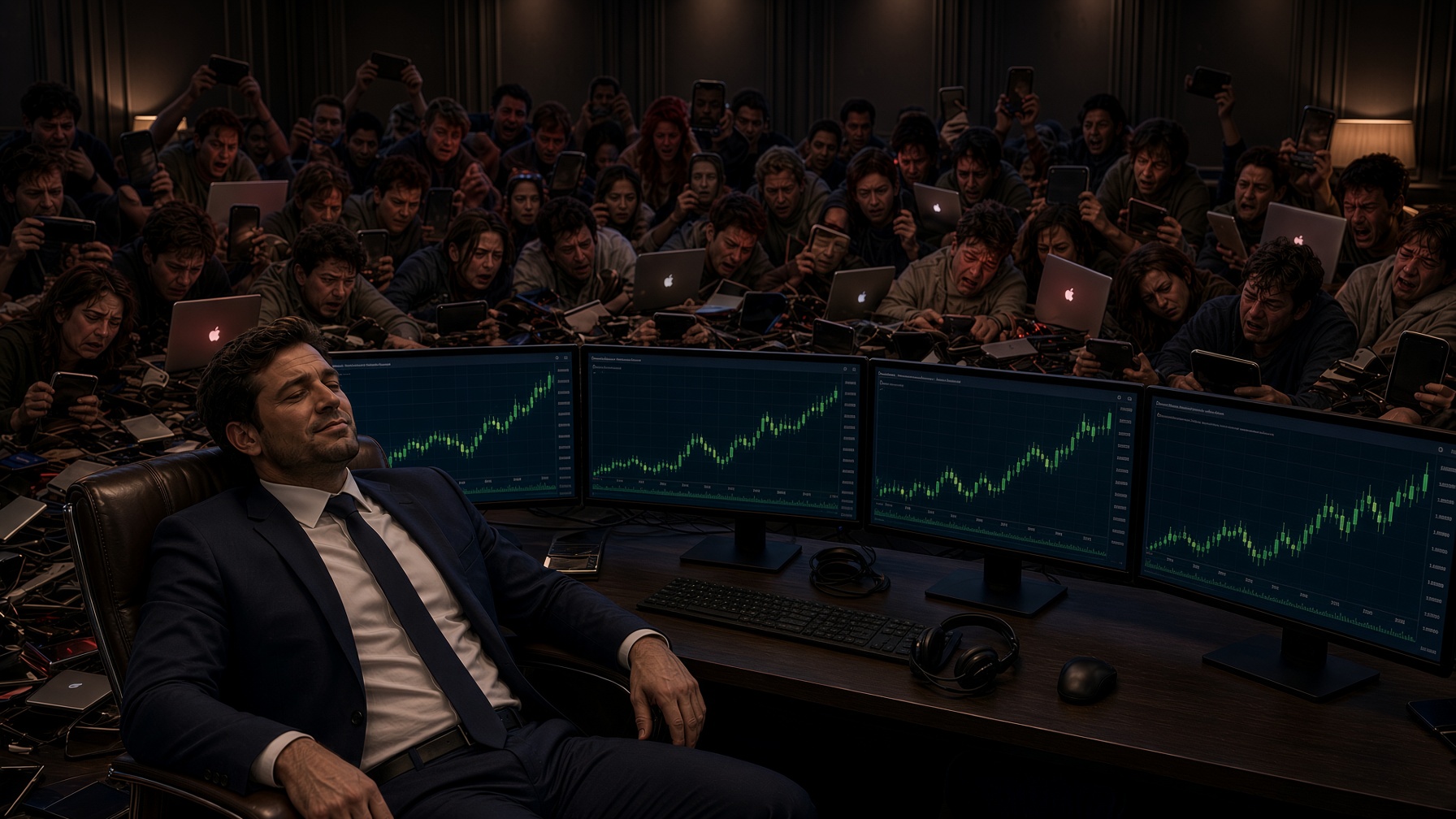
Commentators are labeling the surge in prediction markets as gamifying truth, a process that turns complex realities into tradable odds and rewards speculative bets on future events. This framing raises profound questions about whether financial incentives distort public understanding of facts or merely illuminate hidden probabilities. Enthusiasts argue that money on the line sharpens collective foresight, yet detractors warn that the mechanism encourages participants to prioritize profit over accuracy.
Platforms thrive by allowing users to wager on outcomes ranging from policy decisions to global conflicts, creating an environment where truth itself becomes a commodity. Analysts emphasize that large bets can sway perceived realities even when driven by limited information or coordinated efforts. The result creates a feedback loop in which market prices gain undue authority in public discourse.
Ethical concerns multiply when markets incentivize betting on negative developments such as conflicts or crises. Participants profit from forecasting misfortune, which some ethicists describe as morally troubling regardless of informational value. These dynamics push society to confront whether prediction markets enhance transparency or exploit human tendencies toward speculation.
Scott Galloway and guests dissect the blurred boundaries between prediction markets and traditional gambling in this insightful discussion exploring public skepticism and ethical implications.
Manipulation Risks Undermine Confidence in Prediction Markets as Reliable Information Sources
High-profile cases of suspiciously timed trades are fueling accusations of manipulation and insider advantages that erode trust in prediction markets. Commentators cite instances in which traders appeared to leverage nonpublic information, resulting in massive payouts on events tied to policy shifts or international developments. Such patterns suggest that the markets sometimes reward privileged knowledge rather than broad wisdom.
Regulators have responded by issuing advisories and enforcing rules against fraudulent practices, yet enforcement challenges persist in a decentralized environment. Platforms impose their own bans on self-trading or conflicts of interest, but skeptics question whether these measures suffice to prevent coordinated distortions.
The fear lingers that wealthy actors or organized groups could shape outcomes by flooding markets with capital. It’s worth noting that sportsbooks limit the betting amounts of their most sophisticated bettors, whereas prediction markets are unlimited as long as there is liquidity to take the bets.
These manipulation risks extend beyond individual gains to broader societal impacts where distorted odds influence media narratives and decision-making. Experts are urging stronger surveillance tools and clearer legal standards to safeguard integrity. Without robust protections, prediction markets risk becoming arenas for information warfare instead of neutral forecasting tools.
Common Manipulation and Ethical Risks Highlighted in Ongoing Debates
| Risk Category | Description | Potential Impact |
|---|---|---|
| Insider Trading | Trading on material nonpublic information | Undermines fair pricing and public trust |
| Market Manipulation | Large coordinated bets to sway odds | Distorts perceived truth and influences discourse |
| Conflict of Interest | Participants betting on events they control | Creates incentives for unethical behavior |
| Gamifying Negative Outcomes | Profiting from forecasting crises or harm | Raises moral questions about societal value |
This overview captures recurring themes that commentators raise when evaluating the ethical foundation of prediction markets. Addressing these issues remains central to any effort to legitimize the platforms beyond perceptions of gambling, as discussed in analyses of manipulation risks.
Prediction Markets Versus Traditional Journalism: Do They Supplement or Undermine News Reporting
Media organizations are forging partnerships with prediction market operators to incorporate real-time odds into coverage of elections, economics, and global events. Supporters claim the data adds dynamic forecasting that traditional reporting often lacks, pushing journalists to verify and contextualize crowd-sourced probabilities. Detractors counter that relying on betting pools risks reducing complex stories to speculative numbers and blurs the line between news and entertainment.
Partnerships with outlets illustrate the growing integration, yet they also spark debates over whether such collaborations legitimize gambling under the guise of analysis. Critics argue that constant price fluctuations create pressure for sensationalism while diminishing investigative depth. Journalism traditionally seeks to inform without financial stakes, yet prediction markets introduce monetary incentives that can warp priorities.
Commentators worry that treating market movements as authoritative signals encourages audiences to view truth as whatever the highest bidder supports. This shift threatens to erode public confidence in independent reporting at a time when trust in the media is already under strain. Still, some analysts see potential for healthy competition that forces newsrooms to deliver faster, more data-driven insights.
In this revealing video, analysts examine how prediction markets intersect with journalism, raising alarms about manipulation and the erosion of factual reporting standards.
The passionate divide over public perception of prediction markets reflects deeper tensions in an information-saturated age. Americans largely embrace the gambling label, yet the platforms continue expanding their influence on discourse and decision-making. Ethical debates surrounding gamifying truth manipulation, risks, and journalism impacts demand ongoing scrutiny from regulators, ethicists, and the public alike.
Stakeholders are calling for balanced approaches that preserve potential informational benefits while mitigating harms associated with unchecked speculation. As volumes surge, the conversation grows more urgent, highlighting the need for transparency and accountability. Society must decide whether these markets ultimately serve truth or merely monetize uncertainty in ever more creative ways.
Predictive markets and gambling-versus-information-tool debates will shape regulatory frameworks and cultural attitudes for years to come. The public perception data serves as a stark reminder that acceptance hinges on addressing ethical pitfalls head-on.
References
- AIBM/Ipsos Poll: Most Americans See Prediction Markets as Gambling
- Axios: Prediction Markets More Like Gambling Than Investing
- Ipsos: Americans View Prediction Markets Closer to Gambling
- Casino.org: 61% of Americans Say Prediction Markets Are Gambling
- Substack: The Digital Arena of Death – Comprehensive Analysis of Prediction Markets Ethics
- YouTube: Prediction Markets vs. Gambling – Prof G Markets
- YouTube: Prediction Markets Are Destroying Credible Journalism
- Globis Insights: Promises and Perils of Prediction Markets
- Better Markets: Prediction Markets, Gambling and CFTC Regulation
- Closing Line: Poll Shows Majority Views Prediction Markets as Gambling
- LinkedIn: AIBM Post on Prediction Markets Perception Poll