Senators Adam Schiff and John Curtis introduced groundbreaking legislation on March 23, 2026, that would prohibit sports wagering contracts on federally regulated prediction platforms. The Prediction Markets Are Gambling Act directly addresses contracts involving athletic competitions and casino-style games that these platforms currently offer. This bipartisan initiative aims to close what proponents call a regulatory loophole allowing widespread sports betting without state oversight or revenue generation.
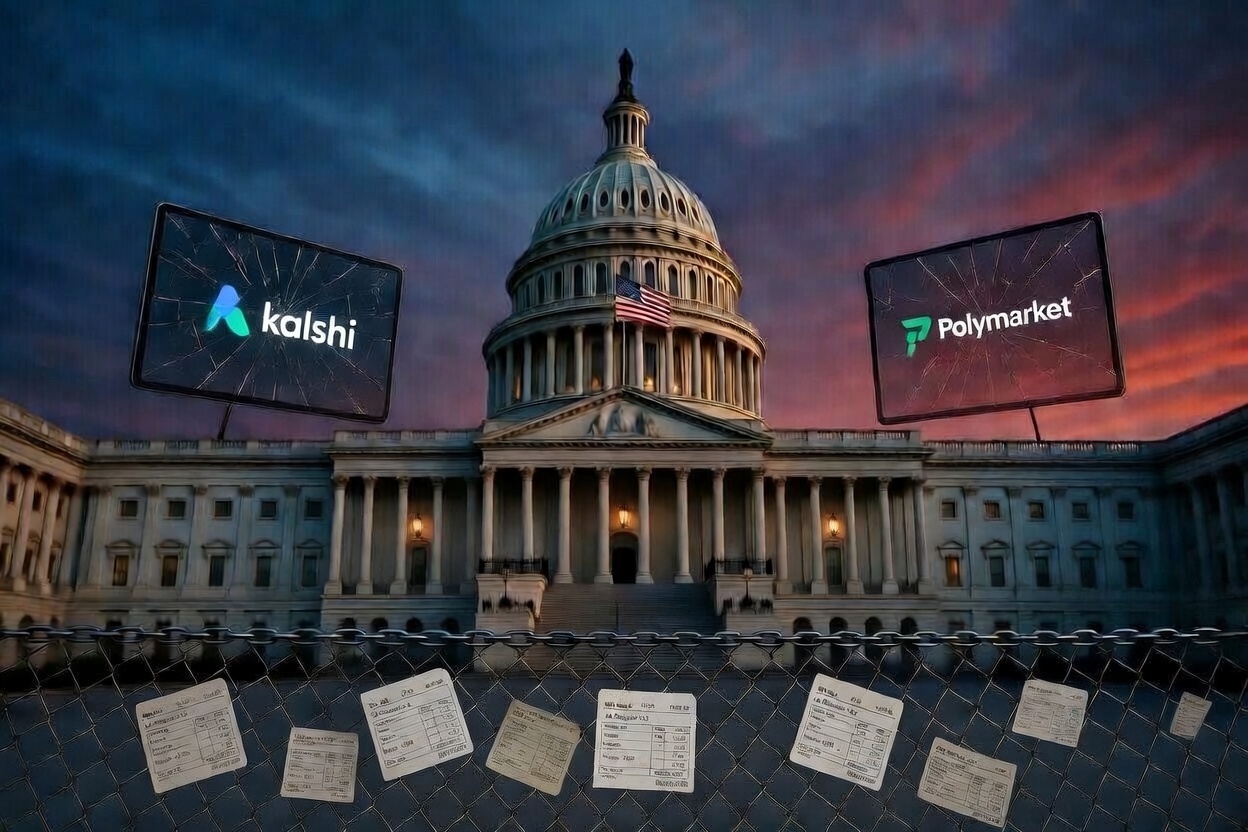
The bill would amend the Commodity Exchange Act to block any CFTC-registered entity from listing or trading such agreements. Platforms like Kalshi and Polymarket face immediate restrictions if the measure becomes law. Supporters argue the change restores proper jurisdiction to states that regulate traditional sportsbooks.
There are many principles at play here, as well as sports betting and gambling money interests.
Key Provisions of the Bipartisan Legislation Prohibiting Sports Wagers on Prediction Markets
The Prediction Markets Are Gambling Act delivers clear prohibitions that reshape how event contracts operate under federal rules. Lawmakers crafted the language to eliminate ambiguity surrounding sports-related trading. This federal sports betting prohibition legislation ensures consistency across the industry.
Core Prohibitions Outlined in the Prediction Markets Are Gambling Act
| Provision | Description | Impact on Platforms |
|---|---|---|
| Prohibition on Sporting Event Contracts | Bans any agreement relating to live or virtual athletic competitions, including professional, collegiate, and amateur events | Kalshi and Polymarket cannot list or clear sports outcome trades |
| Casino-Style Game Restrictions | Prohibits contracts simulating slot machines, blackjack, roulette, poker, or other traditional casino games | Eliminates casino-style gaming options currently available on prediction platforms |
| Applicability and Effective Date | Applies to all new contracts entered after enactment; does not preempt existing state laws | Immediate halt to new sports betting listings while preserving state authority |
This structure strengthens consumer protections that states have long championed. The legislation reinforces original congressional intent regarding commodity trading rules. Experts highlight how the measure levels the playing field for regulated sportsbooks nationwide.
Lawmakers Champion Consumer Protections Against Unchecked Gambling Expansion Through Federal Sports Betting Prohibition Legislation
Senator Adam Schiff emphasized the deceptive nature of these contracts in his official statement. The California Democrat calls for Congress to eliminate this backdoor that violates state consumer safeguards and tribal sovereignty.
“Sports prediction contracts are sports bets — just with a different name. And yet, these contracts are currently offered in all fifty states in clear violation of state and federal law.” — Adam Schiff
Senator John Curtis focused on the human cost, driving his support for the bill. the Utah Republican stresses. The Prediction Markets Are Gambling Act respects state authority while protecting families from speculative financial products.
“Too many young people in Utah are getting exposed to addictive sports betting and casino-style gaming contracts that belong under state control, not under federal regulators.” — John Curtis
Both sponsors highlight the explosive growth in sports wagering volumes that followed the 2018 Supreme Court decision. Total wagers skyrocketed from $4.9 billion in 2017 to $121.1 billion in 2023, with ninety-four percent placed online. Platforms reported that Kalshi achieved over $1 billion in Super Bowl trading volume this year, representing a staggering 2,700% year-over-year increase.
Public health data reveals troubling parallels to this financial surge. Internet searches for gambling addiction have increased dramatically following the widespread availability of online sportsbooks. Researchers continue tracking ongoing growth in help-seeking behavior that underscores the addictive potential lawmakers now confront.
Health experts illustrate the rising concerns surrounding sports betting addiction. Viewers gain insight into warning signs affecting young adults nationwide. The discussion aligns closely with the bill’s focus on protecting vulnerable populations from unchecked exposure.
Gambling Addiction Concerns Fuel Passionate Support for Kalshi Polymarket Sports Contracts Ban
Researchers documented a sixty-one percent rise in searches for gambling addiction assistance after online sportsbooks became widely available. These trends continue climbing as more Americans engage with betting options daily. The data paints a compelling talking point for the bipartisan coalition behind the legislation.
Albeit this doesn’t address the underlying issue of sports betting addiction, regardless of which level of government oversees sports betting.
Professional sports leagues maintain partnerships with gambling companies even as high-profile athletes face legal consequences for related scandals. Money-laundering conspiracies and betting integrity issues surface repeatedly in the headlines. Lawmakers argue that the federal sports betting prohibition legislation prevents further erosion of public trust in athletic competitions.
The American Gaming Association voiced strong backing for closing these loopholes. Polls show eighty-five percent of adults view prediction market trading as gambling rather than investing. Industry groups emphasize how such contracts exploit regulatory gaps while generating zero public revenue for states.
Industry Reactions Signal Intense Conflict Over New Federal Regulation of Wagering on Athletic Events
Kalshi representatives pushed back sharply against the proposed restrictions. The bill would stifle competition and drive users toward offshore platforms, according to company spokespeople.
“It’s clear this bill is motivated by casino interests that are threatened by competition. They’re more worried about protecting their monopolies than protecting consumers.” — Kalshi spokeperson
Polymarket declined to comment on the legislation despite multiple outreach attempts. Market analysts note how shares of established sportsbooks like DraftKings and MGM Resorts rose following the bill announcement. Flutter Entertainment, which operates FanDuel, also gained ground as investors anticipated reduced competition from prediction platforms.
Recent legal actions against Kalshi underscore the mounting pressure. Authorities issued a temporary ban in Nevada and pursued criminal charges in Arizona. These developments intensify the urgency surrounding the Senate’s bipartisan sports betting ban bill targeting Kalshi Polymarket platforms.
This powerful documentary explores the hidden epidemic of gambling addiction sweeping the nation. Families share personal stories that mirror the concerns driving congressional action today. The film provides context for why lawmakers are acting decisively on prediction market reforms.
Potential Economic and Regulatory Impacts of the Kalshi and Polymarket Sports Wagering Prohibition
Passage of the bill would force platforms to pivot away from high-volume sports contracts that currently dominate trading activity. Kalshi derives seventy to eighty-five percent of its volume from sports events, while Polymarket sees thirty-five to forty percent. Industry insiders predict accelerated innovation in non-sports-event categories or strategic shifts toward international markets.
Traditional sportsbooks stand to benefit from reduced competition under the new framework. State-regulated operators already comply with strict licensing and taxation requirements that generate substantial revenue. The legislation reinforces their position while eliminating what many describe as unfair advantages held by CFTC entities.
Broader implications extend to tribal gaming operations that have long defended their sovereign regulatory rights. The bill explicitly avoids preempting state or tribal laws, which maintains existing authority structures. This approach garners support from diverse stakeholders concerned about federal overreach into local gambling controls.
Ongoing Legal Battles Amplify Momentum Behind 2026 Senate Bill to Outlaw Sports Event Contracts on CFTC Regulated Prediction Markets
Multiple states have launched lawsuits and enforcement actions against prediction platforms in recent months. Courts continue grappling with questions of federal preemption versus state gambling authority. The Senate measure arrives at a pivotal moment when litigation risks are escalating rapidly across the country.
Public officials from both parties joined forces on related concerns about insider trading and market manipulation. Earlier proposals targeted public officials trading on prediction platforms. This latest bill builds on that momentum by focusing specifically on sports and casino-style activities.
Analysts tracking the legislation expect robust debate in committee hearings. The bipartisan sponsorship signals strong chances for advancement through the Senate. Industry watchers anticipate passionate testimony from platform executives and consumer advocates alike.
The Prediction Markets Are Gambling Act represents more than regulatory tweaking. It strikes at the heart of how Americans engage with sports and change in the digital age. Supporters view the measure as essential for preserving the integrity of both betting markets and athletic competitions.
References
- TechCrunch: Bipartisan bill seeks to ban sports betting on Kalshi and Polymarket
- Prediction Markets Are Gambling Act Bill Text
- Senate Press Release: Sens. Schiff, Curtis Introduce Bipartisan Legislation
- NBC News: Senators introduce bill to ban sports betting on prediction markets
- The Guardian: Bipartisan Senate bill would ban sports betting on online prediction markets
- Wall Street Journal: Lawmakers to Introduce Bipartisan Bill Banning Sports Bets
- UC San Diego Study: Surge in Gambling Addiction
- Johns Hopkins: As Online Betting Surges, So Does Risk of Addiction
- New York Post: Senators move to ban sports betting on prediction markets
- Front Office Sports: Bipartisan Bill Wants Sports Banned on Prediction Markets
- YouTube: Sports Betting: The New American Addiction
- YouTube: The Sports Betting Boom | Out of Bounds (Full Documentary)