Published: November 23, 2026
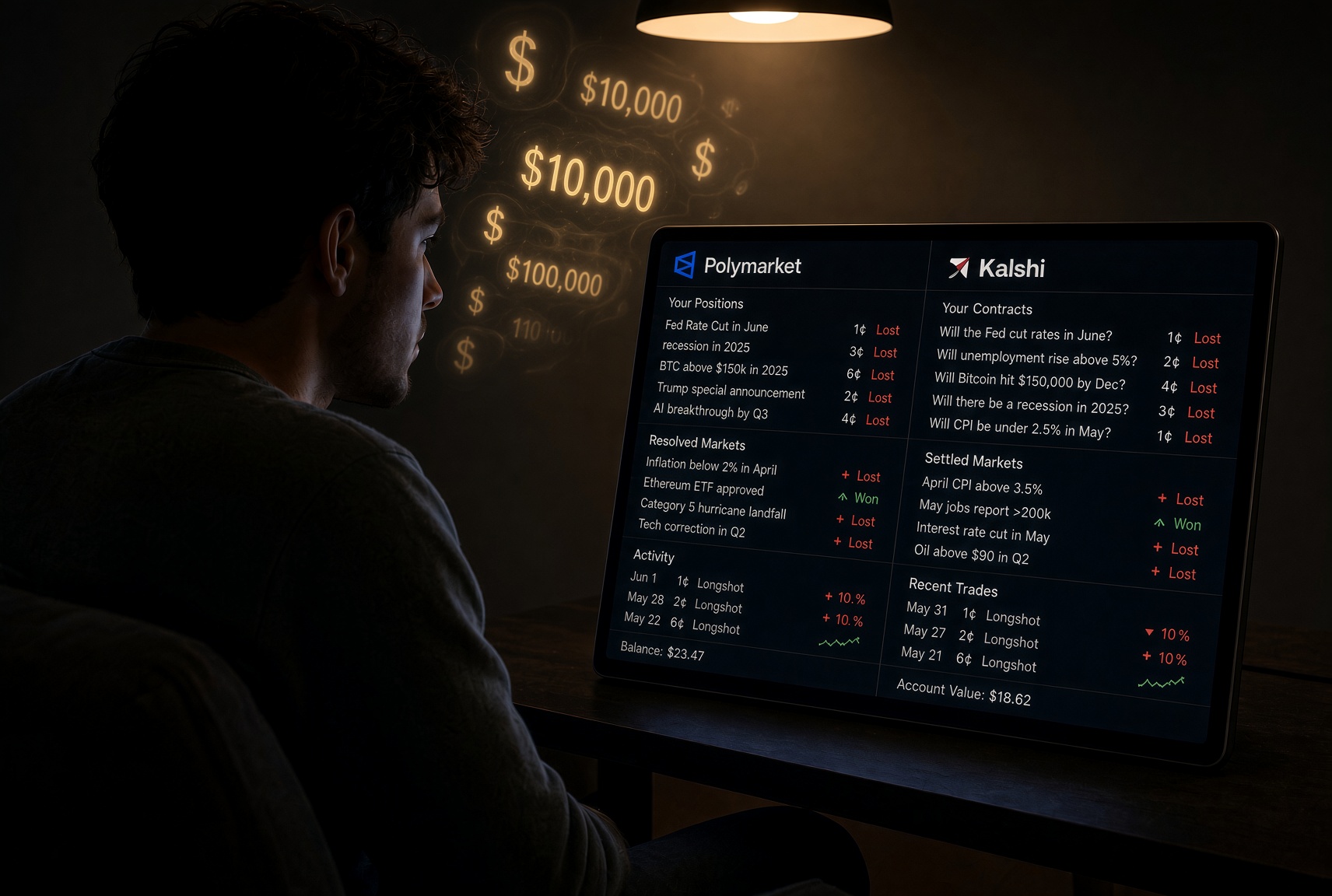
Everybody knows prediction markets are on the recreational side of sports-event trading, but what about real-world business tools for sports insurance?
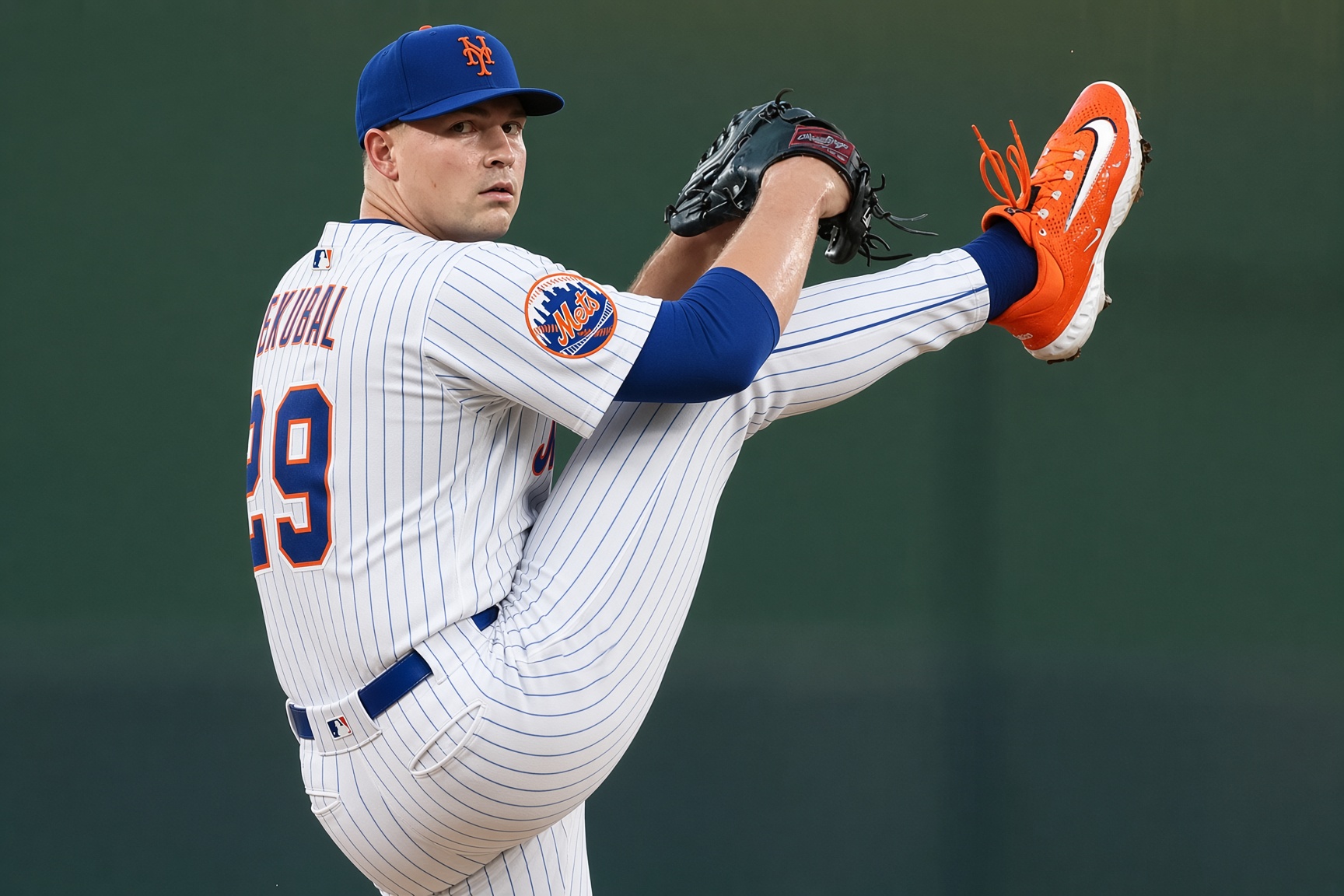
The Mets just committed $450 million over nine years to free agent pitching ace Tarik Skubal. The deal includes a $45 million signing bonus, only $30 million in deferrals, no opt-outs, and a full no-trade clause. That means the club is on the hook for nearly the entire amount no matter how many innings he throws. Injuries to pitchers in baseball are more a matter of when than if. You hope to contain them to minor issues fixable by rest and therapy rather than season-ending surgery.
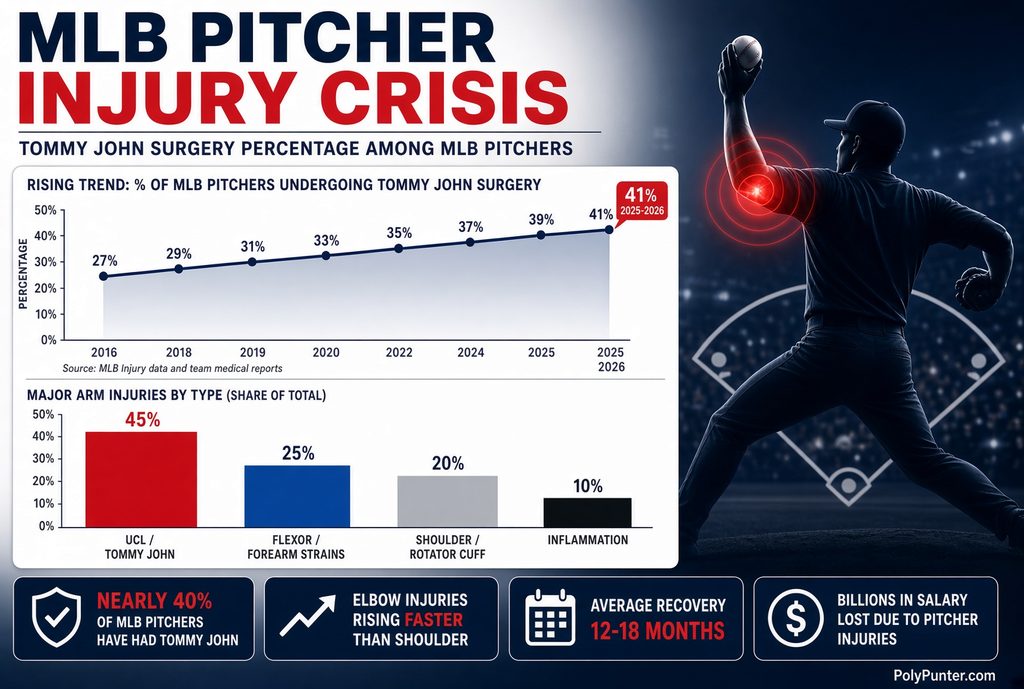
Skubal has already had Tommy John surgery in college, flexor tendon surgery in 2022, and a 2026 procedure to remove loose bodies from his elbow. Those previous injuries, and the generally pessimistic statistics related to MLB pitcher injury rates, make the financial and practical exposure real.
Clubs have long bought disability insurance to soften the blow of long absences. Prediction markets could offer a sharper way to handle the risk those policies leave behind.
How MLB Clubs Currently Insure Big Contracts
Most teams still turn to specialty disability policies, often written through the Lloyd’s of London market. Coverage typically kicks in after a 60- or 90-day waiting period and then reimburses 50 to 80 percent of the salary for the remaining time the player is out. For a contract like Skubal’s, clocking in at an average of $50 million per season, that’s not insignificant if he misses a full season.
Premiums can run close to 10 percent of average annual value, and underwriters raise the price or add exclusions when a pitcher has prior elbow or shoulder issues. A policy on Skubal would almost certainly carry higher costs or tighter terms because of his history. These contracts often carry higher premiums as a pitcher ages. Skubal is only 30 now, but this is a nine-year guaranteed contract.
These policies work reasonably well for long, clearly documented absences. Once the deductible is cleared, the club recovers part of the money it keeps paying the sidelined player. Newer products such as LongBall Capital’s Disability+ have tried to expand protection to cases where a player stays on the field but produces well below expected levels, using performance metrics instead of just days missed. Even so, most of the market still relies on the older, injury-triggered structure with its built-in delays and partial payouts.
Where Traditional Insurance Falls Short
The waiting period alone creates a large hole. The Mets would pay full salary for the first two or three months of any injury before any recovery begins. Coverage caps leave the rest of the risk on the club’s books. Pre-existing conditions can be carved out or priced so aggressively that full protection becomes impractical.
The policies also don’t provide any compensation when a pitcher returns but is less effective—lower velocity, fewer innings, or careful workload management still produce a full salary bill for reduced production. Beyond the reduced performance and impact on game outcomes, this could force the same team to acquire additional pitchers to strengthen its rotation, adding additional dollars.
As with all insurance, claims can turn into drawn-out arguments over medical records and timelines. Pricing is negotiated privately with a small group of underwriters, so clubs never see continuous public signals. As guarantees stretch longer and larger, those gaps matter more. Even the best traditional coverage still leaves a meaningful share of a $450 million commitment on the team’s books.
What Prediction Markets Can Do Differently (With Some Rules Changes)
At their best, prediction markets are becoming viable risk-hedging tools for institutional traders and small businesses alike. For Wall Street firms, they can reduce portfolio risk from economic, financial, and geopolitical events. For businesses, they can reduce operating risk from events like weather canceling concert series or bars losing money when their local sports teams exit the playoffs early. Why not Tarik Skubal’s arm?
The Mets could buy contracts that pay if Skubal finishes a season under a chosen innings total, fails to reach a set number of starts, or posts an ERA above a defined level. This could also be done on a monthly contract rather than a season. Baseball-related contracts already trade on regulated platforms, and liquidity has grown. Because the instruments trade on an exchange, the club can size positions, enter in stages, and exit early if the medical outlook improves.
Currently, prediction market platforms do not allow specifically for injury-related markets. They’re considered too variable a decision to trade for rationally, subject to insider trading issues, not to mention the appearance of traders benefiting from an injured person. Those rules would have to change to allow this specific type of risk-hedging product.
Trading would likely need to go through a walled-off entity within the Mets organization, or through anyone associated with playing-time decisions. This would eliminate even the appearance of insider information being utilized to impact market trades. Similar to how elected officials put their assets into trusts managed solely by third-party investment managers. If this issue needs further strengthening, the markets could settle on medical diagnoses by physicians, rather than playing time or availability decisions. This would eliminate teams, coaches, managers, or even the players having a hand in the settlement decisions.
A risk pool would likely need to span multiple players and contracts to work as a legitimate insurance tool rather than a novelty one-off. One day this could be used to build retail-level health insurance instruments for every person. That would require a tremendous upheaval to legal and commercial systems locked in place. Skubal-healthy-arm markets should be much simpler.
Applying the Idea to Skubal
This setup differs from insurance in useful ways. The club can target the exact risk it cares about rather than accepting a standardized policy limited to certified absences. There is no multi-month deductible once the contract is in force. Prices update continuously as new information arrives, giving the front office an independent signal from scouts, medical staff, and statistical models. Businesses already use event contracts to hedge discrete risks; a club’s salary exposure is simply a larger version of the same problem.
The Mets do not have to choose one approach over the other. They can keep traditional disability coverage for the long, high-severity absences those policies handle best, then add prediction-market positions that address the deductible period, partial-coverage shortfalls, and underperformance cases the older products ignore. Seasonal contracts on innings or starts (or MRL results showing sprains, etc.) would offset early losses. Contracts that pay after a defined number of injured-list days would cover extended absences more cleanly.
Performance contracts that pay if ERA rises or strikeout rate falls below a threshold would cover the “healthy enough to pitch but not as effective” scenario. Settlement rests on official statistics, which reduces the documentation fights that sometimes delay insurance claims. Or in our alternative medical scenario, it rests on an official diagnosis.
Skubal’s elbow history is already public, so thato the market will price elevated risk relative to a clean-armed pitcher. The club decides how much of that priced risk it wants to transfer. Positions can be adjusted year by year as new medical information arrives and as the remaining guarantee declines. Starting with modest seasonal contracts would let the front office test execution, liquidity, and accounting treatment before scaling up.
The clip above shows Skubal discussing the elbow issue that led to his 2026 surgery. It is the kind of discrete, publicly observable event that an event contract can be written against.
Advantages and the Limits That Remain
The clearest advantage is precision. The Mets can focus on the specific risks that matter most instead of accepting a one-size policy. Continuous pricing supplies an ongoing external assessment of durability and performance outlook. Contracts can be entered into and exited throughout the year, preserving flexibility. Costs for partial or shorter-duration coverage are often lower than equivalent insurance premiums. The regulatory framework is federal derivatives oversight rather than state gambling rules, which fits more cleanly with corporate risk management.
Limits still exist. Liquidity in any single player-specific contract may be thinner than ideal for multi-million-dollar positions, and large orders can move the price. Regulatory and legal challenges, and limitations on contracts that touch sports in any way, become an instant minefield.
Contracts must be defined so settlement is unambiguous. League rules prohibit players from trading on baseball-related contracts; a club must ensure its own purchases comply and don’t create integrity issues. Or better yet, create a third-party entity to independently manage these risk-hedging contracts.
Can this be done? Theoretically, yes. Practically right now, no. This could be the kind of innovation that ushers in a broader dream of using forecast markets and distributed risk to create personal healthcare insurance for normal people. That consumer products system is so backward, expensive, and disliked by the vast majority of Americans that it badly needs an overhaul. Let’s start this experiment with the Mets and Skubal. Sports have often led the way in terms of grander social changes. This could be another big one.
References
- Mets To Sign Tarik Skubal – MLB Trade Rumors
- Sources: Mets, Skubal agree to record 9-year, $450M contract – ESPN
- New insurance firm is giving MLB teams the chance to guard against poor performance, as well as injury
- Stephen Strasburg’s shutdown and how baseball teams insure contracts – The Washington Post
- Down for the Count – Risk & Insurance
- Explaining Prediction Markets with the CEO of Kalshi
- Tigers Pitcher Tarik Skubal Addresses the Media After Being Placed on the 15-Day IL
- Tarik Skubal injury update: Tigers ace to return from elbow surgery – CBS Sports
- Tarik Skubal Transactions and Injuries History
- Full contract details on Tarik Skubal’s reported $450M deal with Mets
- Disability Plus Gives MLB Clubs Way to Hedge Against Players Underperforming
- Tarik Skubal Mets contract: 9 years, $450 million