Polymarket users targeted a military correspondent with death threats after his coverage of a missile strike influenced the outcome of a high-volume event contract. The journalist maintained the accuracy of his initial report despite intense pressure to revise it. This incident highlights tensions between real-time news reporting and financial stakes in event-driven markets. This phenomenon is likely to grow.
Harassment Campaign Targets Reporter Following Strike Coverage
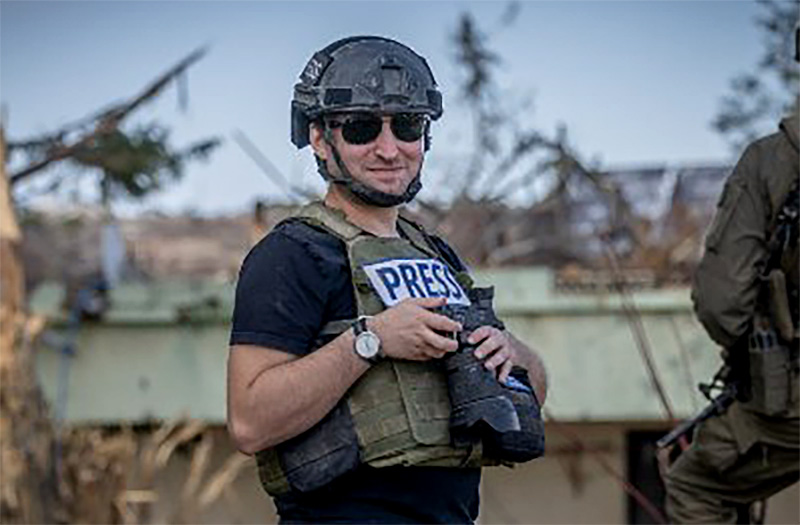
Emanuel Fabian received the first inquiries shortly after publishing details on a missile impact in an open area. Bettors contacted him via email and social media to question the wording of the report. They claimed alternative sources suggested an interception rather than a direct hit.
Fabian stood by information from official military channels that confirmed the warhead’s detonation. The exchanges escalated from polite requests to demands for immediate corrections. Multiple individuals referenced potential financial losses tied to the unresolved market position.
One correspondent from another outlet even relayed an offer of compensation from winnings if the article changed. Fabian declined all such approaches and continued his standard verification process.
Threats and bribes were both attempted.
Escalation to Explicit Death Threats Over Prediction Market Bets
Threats intensified over the weekend with WhatsApp messages setting strict deadlines for updates. Senders warned of severe personal consequences if the original reporting remained unchanged. They referenced family details and implied coordinated actions from multiple parties.
One message stated the recipient had exactly half an hour to correct the account or face unimaginable damage. Subsequent communications promised to invest equivalent sums in retaliation after alleged losses exceeding hundreds of thousands of dollars. The language shifted to direct warnings about the loss of one’s accustomed life.
Additional notes mentioned wealthy global participants who could identify personal addresses and routines within minutes. Senders positioned the journalist as solely responsible for any outcomes.
Timeline of Key Emanuel Fabian Communications and Threats
| Date | Communication Type | Key Details |
|---|---|---|
| March 10, 2026 | Initial Emails | Requests for correction claiming interceptor debris |
| March 11-13, 2026 | Follow-up Emails and Social Queries | References to media citations and fabricated responses |
| March 15, 2026 (midnight) | WhatsApp Threats | 30-minute deadline; warnings of $900,000 retaliation |
| March 16, 2026 (early hours) | Escalated Messages | 90-minute countdown; family references and legal threats |
Multimillion-Dollar Betting Pool Drives Pressure on Missile Strike Report
The relevant event contract asked whether a strike occurred on a specific date, with provisions excluding intercepted projectiles from qualifying as a yes outcome. Trading volume surpassed 14 million dollars by the reporting date. Bettors who positioned against confirmation stood to lose significantly based on the published details.
Fabian’s account cited rescue services and visual evidence of a full warhead explosion. This framing aligned with criteria that could resolve the contract in one direction. Market participants viewed the article as pivotal evidence in ongoing resolution debates.
“At first, it seemed strange that two different people were pushing the same issue [the impact being interceptor fragments, not a direct missile hit]. Why does such an inconsequential detail matter to these people, I wondered.” – Emanuel Fabian
Industry observers note that such volumes amplify incentives for external influence on sources.
Platform Condemns Threats and Bans Involved Accounts
Officials from the prediction platform issued a public statement denouncing all harassment directed at the journalist or others. They emphasized that such conduct violates the terms of service and has no place in their ecosystem. The response affirmed the necessity of independent reporting for market reliability.
Accounts linked to the threats were immediately suspended. Platform representatives are committed to sharing user information with relevant authorities for further review. This action underscores efforts to preserve the integrity of event contracts amid external pressures.
Journalist Files Police Report and Maintains Reporting Standards
Fabian provided full documentation of messages to law enforcement for investigation. He described the episode as turning a routine coverage item into prolonged personal harassment. Police continue to examine the communications for potential violations.
The correspondent stressed his commitment to factual accuracy regardless of financial interests elsewhere. He highlighted risks when market participants attempt to shape news narratives. No alterations occurred to the original article despite the campaign.
Media Coverage Amplifies Calls for Journalistic Protections
Major outlets reported on the threats and their connection to the unresolved contract. Coverage detailed the timeline and quoted platform statements alongside the journalist’s account. Public reactions expressed concern over the intersection of financial speculation and press freedom.
Potential Regulatory Implications for Event Contracts
Lawmakers have referenced similar cases in proposals to restrict certain high-risk markets. Bills under consideration aim to address contracts tied to conflict outcomes. Supporters argue these measures protect both sources and market fairness.
Platform leaders maintain that strong internal policies and cooperation with authorities suffice. The current response demonstrates proactive steps against violations. Ongoing debates weigh innovation against safeguards for independent journalism.
Broader Effects on Source Reliability and Market Trust
Journalists covering dynamic events now face new vectors of influence from global trading communities. The episode serves as a case study in maintaining editorial independence under duress. Experts emphasize verification protocols that resist external financial motivations.
Market participants benefit from transparent resolutions grounded in verified facts. Any erosion of source credibility could undermine overall confidence in event-driven trading. The platform’s swift account actions reinforce standards for participant conduct.
Continued (and heightened) monitoring of such interactions will shape future practices across the sector.
Public and Expert Reactions to the Harassment Incident
Commentators across the media highlighted the unusual direct targeting of a correspondent. They noted the speed with which bettors identified and contacted the reporter. Discussions stress the importance of digital security for those in sensitive roles.
Industry analyses connect the volume in related contracts to heightened volatility during global events. The 14-million-dollar pool exemplified how quickly the stakes escalate. Neutral reporting remains essential to equitable outcomes.
Lessons for Maintaining Integrity in High-Stakes Reporting
This case underscores the value of clear chains of custody for information in contested scenarios. Reporters who adhere to primary sources withstand pressure more effectively. Platforms that enforce conduct rules contribute to healthier ecosystems. KYC systems can help provide accountabilty for users flagrantly violating platform rules.
Authorities continue their review while the market awaits a formal resolution. The journalist’s experience adds to conversations about protections in an era of instant global connectivity.
References
- Times of Israel – Gamblers Trying to Win a Bet on Polymarket
- The Block – Polymarket Bettors Send Death Threats to Reporter
- New York Post – Polymarket Bettors Allegedly Barrage Reporter
- Washington Post – A Journalist Reported a Missile Strike
- Polymarket Official X Statement on Threats
- PolyPunter – Top 10 Most Active Polymarket Markets
- PolyPunter – Ultimate Glossary of Prediction Markets Terms
- YouTube – Times of Israel Briefing on Developments
- YouTube – Times of Israel Additional Context Segment
- Fox News – Gamblers Pressure Reporter to Alter Strike Report
- Wall Street Journal – Reporter Pressured Over Missile Story
- Gizmodo – Polymarket Bettors Send Death Threats