South Park creators Trey Parker and Matt Stone target the quirks of event wagering in their latest installment. The episode titled “Conflict of Interest” aired on September 24, 2025, as part of Season 27. Characters dive into chaotic bets that escalate from schoolyard antics to global conflicts. Viewers witness Kyle Broflovski and Eric Cartman clashing over an app that fuels their rivalry. Satire unfolds through exaggerated scenarios that mirror real-world absurdities in outcome speculation.
Episode Synopsis Highlights Key Plot Points in South Park: Conflict of Interest Satire
The story begins at South Park Elementary, where students obsess over a prediction betting app. Kyle and Cartman argue fiercely about its implications. Bets range from trivial school lunches to outlandish geopolitical events. Sheila Broflovski, Kyle’s mother, becomes central in a wager about striking Gaza. The narrative builds to a climax involving regulatory figures and bizarre interventions.
Cartman manipulates odds by spreading rumors to profit from a “no” bet on Sheila’s actions. Stan Marsh calls out the ethical issues in such maneuvers. Kenny joins the fray with his typical misfortune, amplifying the comedy. The episode weaves in Fox News segments that parody the media hype around these platforms. Donald Trump Jr. appears as a multi-role advisor, highlighting perceived conflicts. Don Jr. is a common punching bag figure for the South Park creators.
Satan’s pregnancy with Trump’s demonic butt-baby adds surreal humor to the mix. Bets on the baby’s gender dominate app discussions. Sheila confronts Israeli Prime Minister Benjamin Netanyahu in a heated exchange. The resolution exposes the folly in letting apps dictate behavior. The comedy stems from the characters’ over-the-top reactions to escalating stakes.
Satirical Elements Target Absurd Bets in South Park Prediction Markets Parody Kalshi and Polymarket
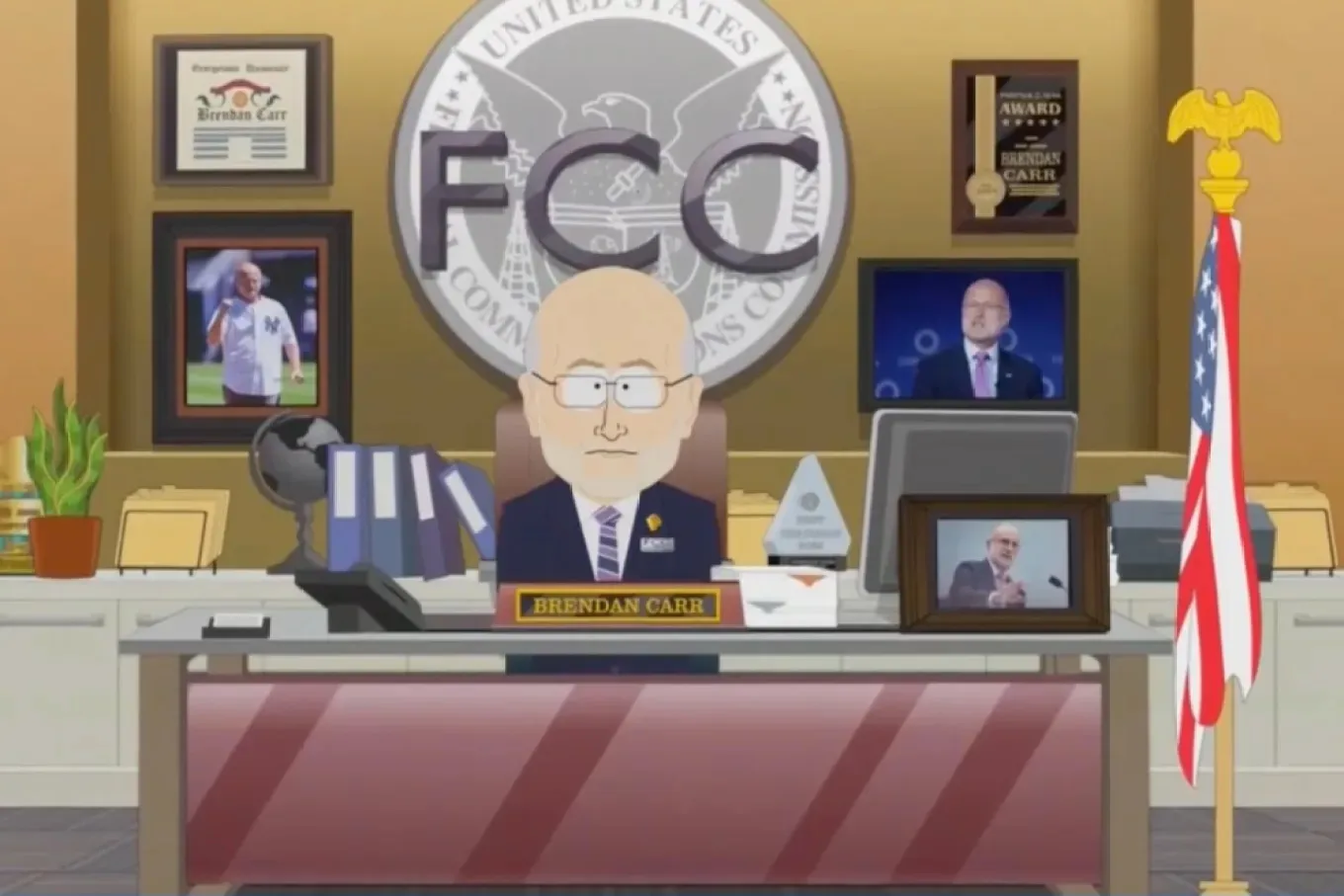
The show mocks the way users create markets on sensitive topics like the conflict in Gaza. Cartman’s scheme to increase the odds of “yes” before betting “no” satirizes market manipulation that we’ve discussed several times here on PolyPunter. Platforms like Kalshi and Polymarket are directly named in the dialogue. Characters explain peer-to-peer trading in simplistic terms that underscore the irony. Regulatory bodies such as the CFTC and FCC come under fire for lax oversight.
Trump Jr.’s portrayal as an advisor to multiple entities pokes fun at potential political insider biases. The episode questions whether these apps skirt gambling laws effectively. Students’ addiction to the app reflects broader societal trends in digital wagering. Satire peaks when Sheila flies to Israel to influence the outcome of the bet. Viewers can see the absurdity in betting on real human suffering for profit.
Fox News anchors in the cartoon describe the apps as loopholes, adding layers to the critique. The demonic baby market serves as a grotesque metaphor for political spectacles currently wagered on in prediction markets. Parker and Stone balance humor with pointed commentary on ethics. The narrative avoids favoritism toward any side in the depicted conflicts. Absurdity drives home the message about unchecked speculation.
Key Bets Featured in South Park Conflict of Interest Episode
| Bet Description | Platform Mentioned | Odds Shown | Outcome in Episode |
|---|---|---|---|
| Will Kyle’s mom strike Gaza? | Kalshi/Polymarket-style app | Initially 45/55%, manipulated to extreme | Resolved through intervention |
| Kipling’s baby’s gender | Kalshi and Polymarket | Kalshi: 51/46%; Polymarket: 41/59% | Unresolved, used for satire |
| School lunch tater tots next week? | Generic app | Not specified | Triggers initial obsession |
| Kipling’s baby gender | App | 45/65% | Sparks student debates |
Public Reactions to South Park Satire on Prediction Markets: Kalshi Polymarket Episode Analysis
Online discussions erupted immediately after the airing. Ironically, traders on actual platforms created markets about the episode’s content beforehand. Kalshi saw over $1.5 million in volume on what characters would say. Polymarket handled $203,000 on similar speculations. Users expressed amusement at the self-referential humor.
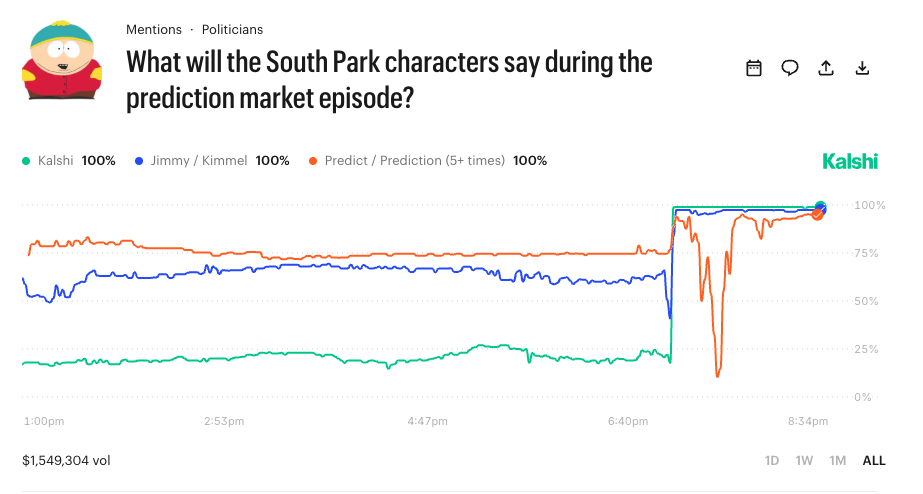
Polymarket CEO Shayne Coplan called the mention “surreal” in statements. Kalshi CEO Tarek Mansour noted the show got details like referral bonuses right. Social media buzz included debates on the episode’s take on market ethics.
Fans praised the episode for addressing Middle East tensions without bias. Critics appreciated the blend of absurdity and real critique. Reddit threads dissected the parody of regulatory influence. Instagram reels captured clips emphasizing the Gaza bet’s controversy. Overall sentiment leaned positive toward the bold satire.
Some viewers connected it to broader trends in event speculation. A TikTok video explored potential insider trading implications from the plot. Facebook posts from official pages sparked thousands of comments. The episode’s IMDb rating fluctuated around 7.7 initially. Discussions extended to how satire influences public perception of these apps.
Character Dynamics Drive Humor in South Park, Conflict of Interest, Prediction Markets, Parody
As always, Kyle’s moral outrage stands in stark contrast to Cartman’s scheming nature. As is often the case on South Park, Stan provides the common sense, voice of reason amid the chaos. Kenny is largely there to be physically demised. Sheila’s transformation from concerned parent to active participant steals scenes. Cartman’s manipulation tactics reveal his character’s core greed.
The boys’ friendship strains under the app’s influence. Parental figures like Randy Marsh react with their typical exaggeration. Satan’s subplot intertwines with the main events, adding layers. Netanyahu’s cameo amplifies international satire with a dig at the Israeli leader, who is a divisive figure internationally. Each character’s arc ties back to the central theme of conflicting interests. It’s not deep, but profound in its simple exposure.
Humor arises from rapid escalations in bet stakes. Kyle’s family dynamics fuel emotional beats. Cartman’s use of his mom’s debit card heightens tension. The episode maintains balance by portraying all sides neutrally. Viewers find relatability in the characters’ flawed decisions.
Platform Reactions to South Park Mention in Conflict of Interest Episode
| Platform | Volume on Episode Markets | CEO Statement | Market Outcome |
|---|---|---|---|
| Kalshi | $1.5 million | “Surreal” to see the company on show | High engagement on word predictions |
| Polymarket | $203,000 | “Surreal” to see company on show | Most predictions failed on names |
| Myriad | $11,400 | N/A | 31.7% odds on mention |
Real-World Parallels in South Park Satire on Absurd Bets Kalshi Polymarket Episode Breakdown
The episode draws from actual market trends without favoring any entity. Bets on political figures mirror existing wagers on platforms, including recent ones involving the War in Iran. Regulatory cameos reflect ongoing debates in oversight. Media portrayals echo how news outlets cover these apps. Satire remains objective by exaggerating all aspects equally.
Experts note the accuracy in depicting app interfaces and mechanics. One analysis from PolyPunter.com explains betting steps that align with the show’s portrayal. Another piece on PolyPunter.com discusses the evolving landscape, aligning with the episode’s themes. Users on X debated ethical questions raised by the plot. The narrative avoids endorsing or condemning specific practices.
Online forums dissected parallels to real election forecasts. Satire encourages reflection on digital influences. The episode’s impact lingers through continued discussions.
Impact of South Park Conflict of Interest on Public Discourse About Prediction Markets Satire
The airing boosted visibility on the targeted platforms in a neutral way. Traders embraced the publicity despite the mockery.
Critics lauded the timely commentary on tech-driven behaviors. Fans shared clips amplifying the satire’s reach. The episode sparked debates on satire’s role in media. Platforms saw surges in interest following the broadcast. A neutral tone ensures broad appeal without alienating.
Analysts predict lasting effects on how people view these apps. Conversations extend to ethical betting boundaries. The show’s legacy of tackling current issues continues here. Viewers appreciate the objective lens on complex topics. Discourse evolves as more reflect on the portrayed absurdities.
References
- How Prediction Markets Reacted to South Park’s Episode on… Prediction Markets – Yahoo Finance
- Conflict of Interest | South Park Public Library | Fandom
- South Park skewers prediction markets in latest episode
- ‘South Park’ Takes On Prediction Markets—And Traders…
- ¿South Park cometió insider trading? – TikTok
- Polymarket Taking Over In an episode of South Park titled “Conflict of Interest” (Season 27 … – Instagram
- South Park does it again. The prediction betting app @kalshi went mainstream after it was … – Instagram
- South Park’s new episode, “Conflict of Interest,” poked fun at prediction markets, putting…
- South Park takes aim at prediction markets in new episode
- South Park Satirizes Prediction Markets and Regulatory…
- Kalshi outpaces Polymarket after pair feature in South Park episode | MEXC News
- South Park May Spotlight Prediction Markets and Bitcoin Amid Easing CFTC Scrutiny – Bitget