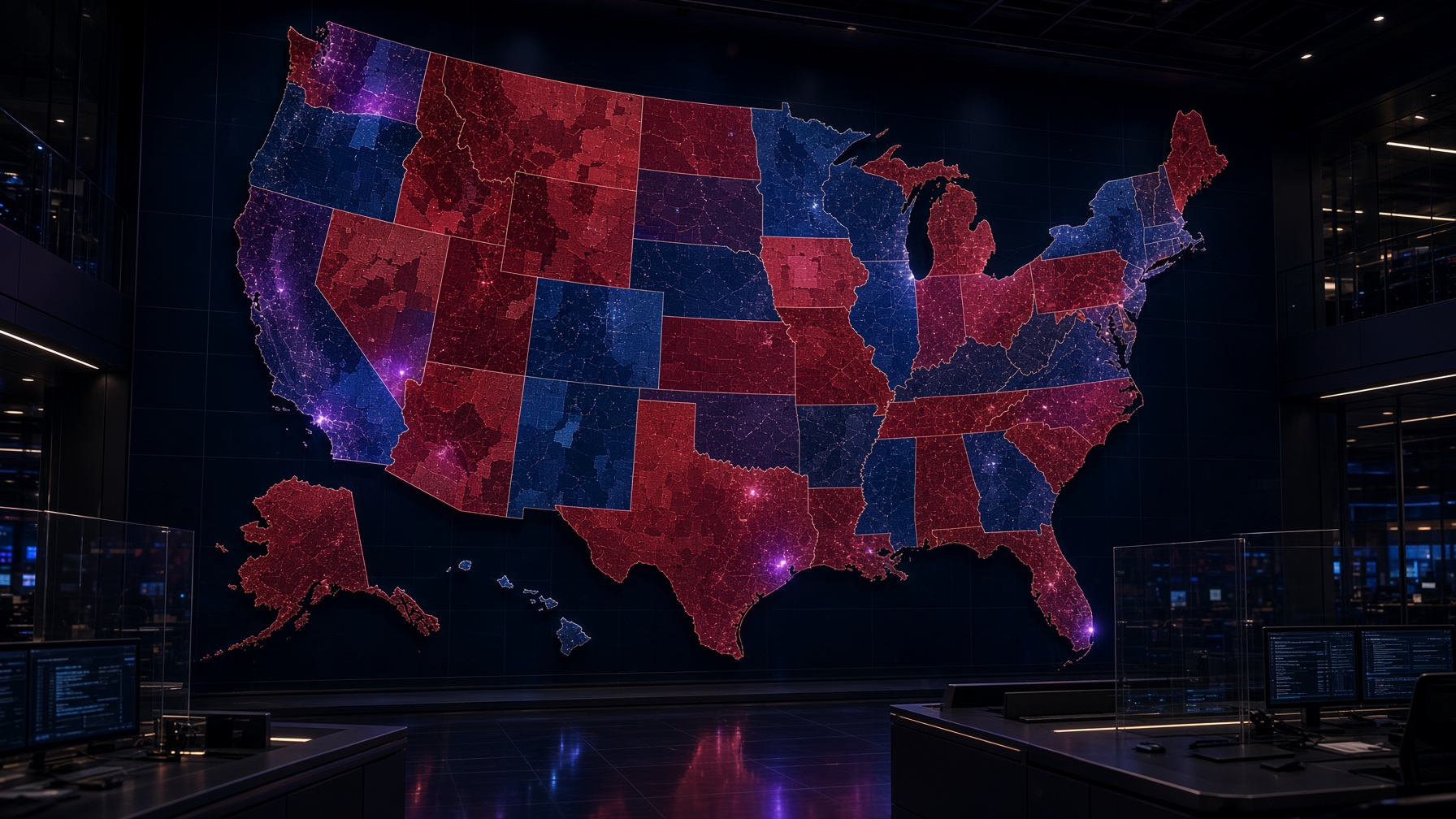
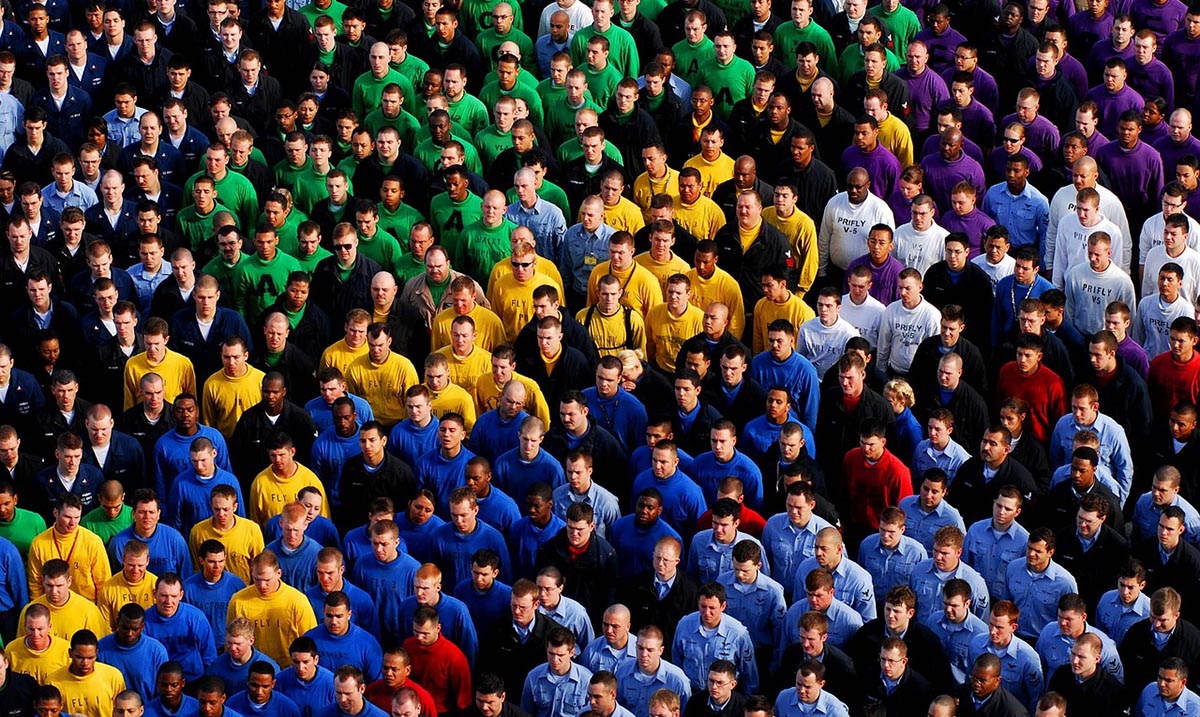
The Wisdom of Crowds implies a random crowd of diverse strangers whose independent opinions interact to converge on a market-equilibrium probability. But what if the crowd itself isn’t diverse or random? Does the inherent principle still hold true?
Prediction markets platforms aggregate beliefs through trading, promising sharper forecasts than traditional polls based on this crowd wisdom. Yet this critical question lurks beneath the surface. Skewed trader pools undermine the diversity typically thought to be required for genuine crowd wisdom. This distortion could threaten the reliability of signals that policymakers, media outlets, and businesses increasingly consult.
Prediction Markets Promise Superior Forecasting Through Aggregated Beliefs
Classic theory holds that diverse, independent judgments produce more accurate forecasts when properly and freely aggregated. Prediction markets seemingly deliver this benefit by allowing traders of any background or circumstance to bet real capital on event outcomes. Prices reflect collective probabilities because successful bets reward accurate information. Consequently, many view these platforms as modern oracles, often with data supporting how they outperform expert panels or surveys.
However, the underlying assumptions break down when trader profiles lack variety. James Surowiecki outlined conditions for crowd wisdom in his eponymous book, including independence and decentralization. Homogeneous groups introduce correlated errors instead of canceling noise. Therefore, markets dominated by traders from similar backgrounds may produce forecasts that reflect shared blind spots rather than broad insight.
Drawing upon overlapping communities in crypto trading and decentralized finance reveals patterns. These environments attract risk-tolerant individuals comfortable with volatility and new technologies. In addition, self-selection for prediction markets heavily leans toward those already engaged with online betting culture. This predisposed composition shapes market dynamics in subtle yet powerful ways.
Revealing Patterns in Trader Pool Composition
Prediction market users often cluster around specific traits due to platform design, marketing, and popular categories. Crypto-native interfaces require wallet knowledge and tolerance for digital assets. Younger adults gravitate toward these tools because of familiarity with apps and social media promotion. Meanwhile, male traders appear overrepresented based on broader trends in speculative trading venues.
Academics studying similar ecosystems document these concentrations. Crypto platforms have historically shown heavy male participation, particularly among younger age brackets. Prediction markets inherit much of this profile through shared user bases (crypto exchanges and sports betting apps) and incentive structures. Consequently, forecasts incorporate perspectives weighted toward certain life experiences and risk appetites.
One advantage of surveys is that they attempt to balance populations in sampling to reduce demographic bias. Whereas prediction markets are entirely self-selected and do not inherently seek to mitigate this bias.
Illustrative Biases Stemming from Trader Pool Composition
| Demographic Trait | Estimated Prevalence in Trader Pools | Potential Distortion in Forecasts | Example Impact |
|---|---|---|---|
| Predominantly younger adults (18-40) | High | Emphasis on rapid change and short horizons | Overly optimistic timelines for technological breakthroughs |
| Male-heavy composition | High | Elevated comfort with volatility and longshots | Underpricing stability in political or economic outcomes |
| Crypto and tech enthusiasts | High | Skepticism toward established institutions | Biased probabilities on regulatory or policy resolutions |
These patterns emerge from platform mechanics rather than deliberate design. Self-selection draws individuals already aligned with riskier, speculative online spaces. Therefore, aggregated prices can embed correlated assumptions instead of randomly independent inputs. Researchers examining user compositions confirm that small subsets drive much of the pricing action.
How Homogeneous Trader Pools Introduce Systematic Errors
Wisdom of crowds requires genuine diversity to offset organic oversampling of similar users. When traders share similar backgrounds, they tend to err in the same directions due to shared internal biases. Consequently, market prices can amplify rather than correct trader misperceptions. This process turns the theoretical strength of aggregation into a weakness.
Technology innovation contracts reveal distortion effects. Personal enthusiasm for rapid progress increases the perceived probabilities that breakthroughs will materialize soon. However, realistic product development timelines involve more uncertainty and setbacks. This pattern shows how shared optimism distorts long-range signals where accuracy matters for investment and policy planning.
Cultural topics suffer from similar echo effects. Traders immersed in specific online discourses apply analysis that resonates within their social or fan circles. These markets, therefore, reflect niche-audience consensus more than comprehensive evaluation.
Connecting Recent Analyses to Demographic Influences
Recent research highlights that accuracy often stems from skilled larger traders rather than broad crowds. One detailed examination of transaction data found roughly three percent of accounts consistently profit, while most perform at near-random levels. Those skilled traders frequently correct (or exploit) mispricings created by the larger group. This dynamic underscores that effective aggregation depends heavily on who holds influence within the pool.
Although skill concentrates returns, demographic factors likely shape entry into that skilled group. Crypto familiarity and risk tolerance correlate with the profiles dominating platforms. Therefore, minority-driven price movements may still reflect correlated viewpoints. Broader diversity among traders could introduce competing analyses that challenge prevailing assumptions, even if those assumptions are accurate.
Another study on crowd wisdom versus traditional polling emphasizes conditions for reliable aggregation. Prediction markets excel when traders possess varied information sources. Naturally, incorporating more data sources correlates with higher levels of accuracy. Homogeneous pools reduce information source variety. Consequently, prices become more vulnerable to fads or groupthink.
Consequences for Decision Makers Relying on Market Signals
Policymakers increasingly monitor prediction market prices for real-time sentiment. Skewed inputs can produce misleading probabilities on legislation passage or economic shifts. Decision-makers acting on these signals risk pursuing strategies misaligned with broad public support or qualified expert consensus.
Media organizations cite market odds as authoritative benchmarks. When prices diverge from polls due to trader composition, reporting may amplify niche perspectives. Audiences receive forecasts that reflect concentrated traders’ views rather than representative samples. This pattern can erode trust when outcomes later contradict highlighted probabilities.
Businesses exploring internal or external markets face similar pitfalls. Forecasts on product success or competitor moves embed biases from the trading pool. Consequently, strategic planning incorporates distortions that broader employee surveys or customer data might avoid. Organizations that ignore the composition of their market users risk building plans on an incomplete foundation.
Meanwhile, public discourse suffers when markets appear authoritative despite underlying skews. Contrarian or optimistic tilts shape narratives around elections, technology adoption, and social trends. People consuming these signals absorb biased information without awareness of the bias mechanism.
Exploring Practical Steps to Strengthen Aggregation Quality
Platform operators could expand outreach beyond crypto-native and sports-wagering audiences. Broader onboarding reduces self-selection pressures that concentrate certain profiles. Yet implementation requires balancing accessibility with regulatory and security considerations. Thoughtful design changes might gradually diversify trader bases over time.
Transparency around trading patterns offers another avenue. Publishing anonymized demographic summaries or activity breakdowns allows users to contextualize prices. Consequently, sophisticated consumers could discount signals when pools appear narrow. This awareness alone improves interpretation without altering market mechanics.
Hybrid approaches combining markets with polls represent further options. Polls capture wider samples while markets add incentive alignment. Integrating both sources provides cross-checks that mitigate the weaknesses of a single method. Researchers are already exploring such combinations to develop more robust forecasting systems.
Recognizing the Stakes for Prediction Market Credibility
Prediction markets hold genuine promise when conditions for crowd wisdom hold. Skewed trader pools violate key statistical underpinnings and introduce avoidable distortions. Consequently, forecasts on politically sensitive or culturally charged topics carry hidden qualifications. Decision-makers and commentators benefit from treating prices as one data point among several.
Addressing composition issues early strengthens long-term legitimacy. Passionate advocates rightly celebrate the benefits of information aggregation. At the same time, an honest assessment of demographic influences prevents overstating reliability.
References
- How Prediction Markets Scaled to USD 21B in Monthly Volume in 2026 | TRM Labs
- How Wise is the Crowd? Bias and Edge in Prediction Markets | SSRN
- Prediction Market Accuracy: Crowd Wisdom or Informed Minority? | SSRN
- The wisdom of the crowd and prediction markets | ScienceDirect
- Polymarket Official Platform
- Distilling the Wisdom of Crowds: Prediction Markets vs. Prediction Polls | INFORMS
- How Wise is the Crowd in Prediction Markets | Quantpedia
- A Closer Look: Prediction Market Accuracy | SSRN Blog
- Wisdom of Crowds and the Home Bias in Sports Betting | EUR Thesis Repository
- Prediction Markets: Policy Issues for Congress | Congress.gov