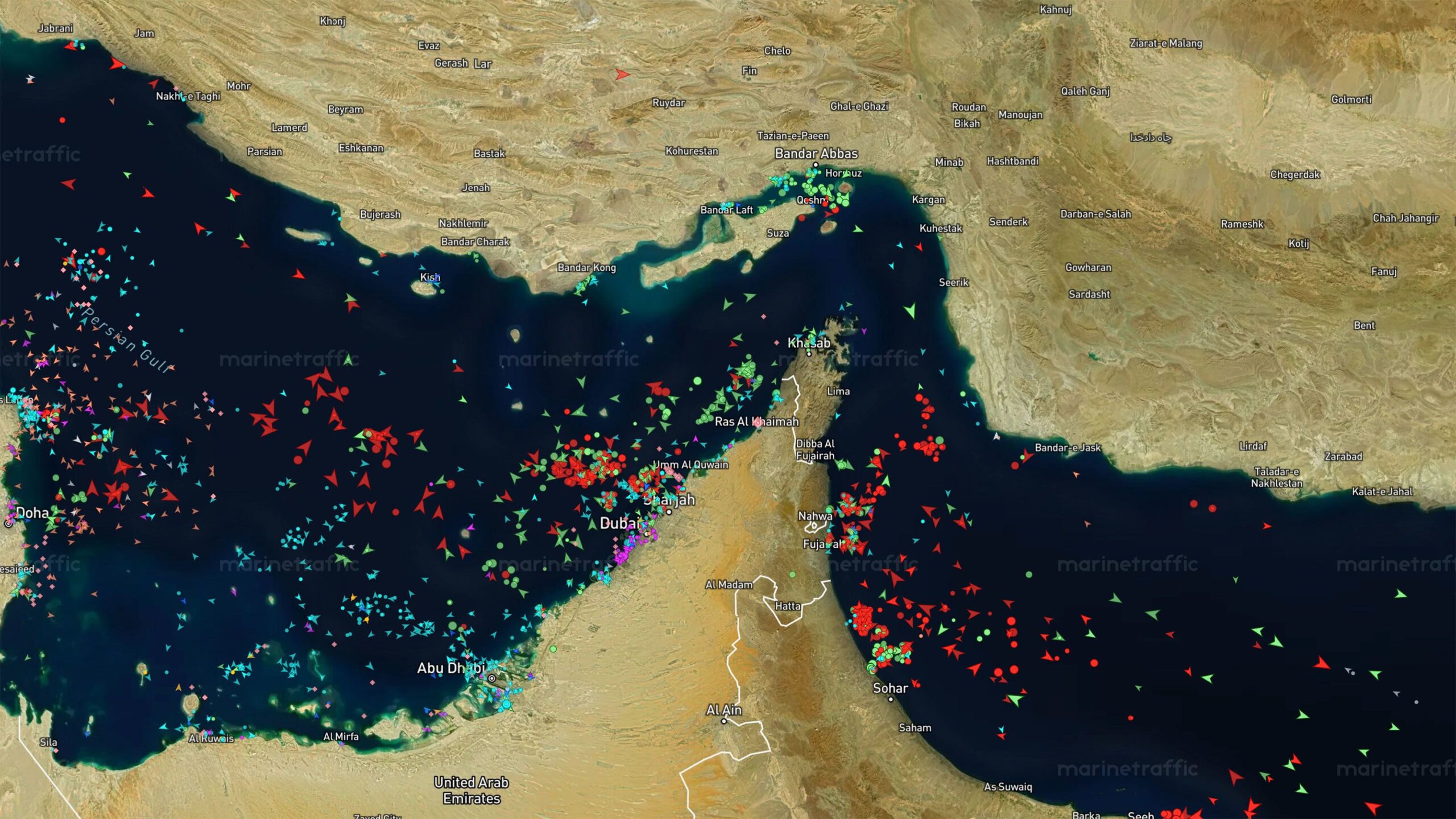
Traders flood Polymarket resolution channels with fierce arguments over the precise meaning of the ceasefire and the resumption of normal traffic in the Strait of Hormuz following the April 7 U.S.-Iran agreement. Iran keeps imposing restrictions on vessels passing through the vital waterway, while reports of continued missile activity fuel challenges to proposed resolutions.
These clashes freeze millions in payouts and turn definitional debates into high-stakes battles. Bettors who wagered heavily on rapid normalization now watch positions lock as the community demands strict adherence to contract language. The intensity reveals how prediction platforms force razor-sharp clarity on fast-moving geopolitical events.
Strait of Hormuz Traffic Returns to Normal by April 30? Market Remains Highly Disputed
The Polymarket contract asking whether Strait of Hormuz traffic returns to normal by the end of April is at just 14% probability of Yes, reflecting deep trader skepticism amid ongoing restrictions. Iran demands cryptocurrency payments from tankers and issues directives that force vessels to reverse course, actions many participants say prevent any return to pre-conflict levels. The market resolves yes only if the IMF PortWatch data shows a seven-day moving average of at least 60 ship transits. Current low odds persist even as diplomatic talks continue, keeping trading volume elevated near $7.5 million. Disputes rage because partial reopenings fail to meet the exact threshold that traders demand for resolution.
Key Strait of Hormuz Traffic Resumption Market Details
| Market Question | Current Yes Probability | Total Trading Volume | Resolution Criteria |
|---|---|---|---|
| Strait of Hormuz traffic returns to normal by April 30? | 14% | $7.47 million+ | IMF PortWatch 7-day avg ≥60 transits |
| Strait of Hormuz traffic returns to normal by end of May? | 39% | $620K+ | Same IMF PortWatch threshold by May 31 |
| US-Iran ceasefire by April 7 (disputed contract) | Disputed | $60M+ | Mutually agreed halt with no ongoing restrictions |
Ceasefire Definition Battles Drive Polymarket Resolution Chaos
Polymarket labeled the April 7 U.S.-Iran ceasefire contract disputed after Iran maintained shipping limits, and regional missile reports continued. Traders submit blockchain-verified evidence and a link to ship-tracking data showing persistent disruptions that contradict any claim of a full halt in hostilities. The resolution process shifts to UMA token holders who debate for 24-48 hours before voting with staked tokens.
This mechanism turns vague diplomatic announcements into precise financial outcomes that participants defend passionately. Bettors who bought Yes shares early now face delays while the community scrutinizes every detail of the agreement.
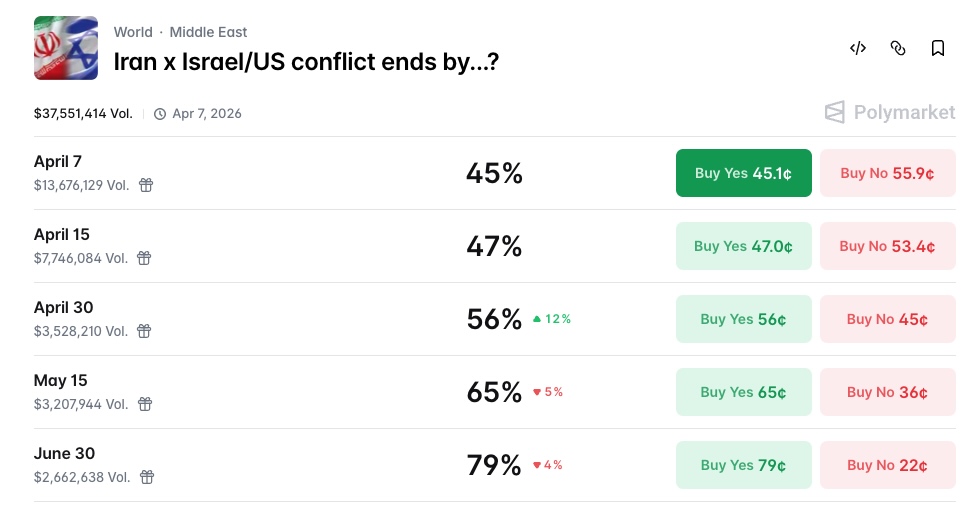
One side insists the contract requires verifiable unrestricted commercial flow without fees or escorts. Opponents counter that any announced pause qualifies if confirmed by credible reporting. These interpretations clash in public forums and on X, amplifying scrutiny across the trader base. The April 7 contract alone generated over $60 million in volume, making the payout freeze a major flashpoint. Every new update from the region sparks fresh evidence submissions and counter-challenges.
Hormuz Normal Traffic Betting Fuels Passionate Definitional Showdown
Participants in the Strait of Hormuz traffic return to normal by April 30. Market participants pore over IMF PortWatch data and satellite imagery to argue their positions on the active contract. Current Yes shares trade around 14 cents, down sharply since launch, as shippers remain cautious despite the ceasefire announcement. Traders cite live MarineTraffic reports showing minimal transits in recent days, which they claim proves the market should resolve no. The contract language demands a clear seven-day average meeting or exceeding 60 arrivals, a bar many say remains unmet. This precision keeps liquidity high while locking related positions across the platform.
Strait of Hormuz Traffic Market Snapshot April 2026
| Metric | Creates an urgent betting window | Impact on Traders |
|---|---|---|
| Yes Share Price | 14¢ | Implies 86% chance of no resolution by deadline |
| 24-Hour Volume | $800K+ | Sustained interest despite low odds |
| Resolution Source | IMF PortWatch data | Requires verifiable 7-day average ≥60 transits |
| Deadline | April 30, 2026 | Creates urgent betting window |
Arguments intensify as new ship-tracking information surfaces hourly. Traders blend historical pre-conflict averages with real-time disruptions to build cases for or against yes. The process rewards those who master the fine print while punishing loose assumptions based on headlines alone. The complex interplay between contract wording and on-the-ground realities drives the heated engagement. Bettors treat these clashes as core to the platform’s value in aggregating collective judgment.
This video breaks down why many traders view the current ceasefire as fragile and Hormuz normalization markets as significantly mispriced.
Polymarket Resolution Process Keeps Traders Deeply Engaged
Anyone can propose an outcome by posting collateral, triggering a two-hour challenge window before debate moves to UMA channels. Traders continue to monitor, challenge, and recalibrate positions as fresh evidence emerges from the region. A recent X post highlighted the ongoing implications of the blockade and linked directly to current odds, spurring wider community discussion. The structured yet passionate process turns abstract definitions into concrete financial consequences. Millions stay locked until consensus forms, testing patience while sustaining high interest.
Participants who anticipated quick normalization adjust strategies in real time as restrictions linger. The mechanism blends data requirements with interpretations of intent behind every vessel movement. Outcomes here set precedents for future high-volume geopolitical contracts. Bettors remain committed to fighting over wording that directly determines payouts.
Watch this analysis of statements impacting Hormuz betting expectations and trader sentiment.
Broader Stakes Rise in Hormuz and Ceasefire Prediction Markets
Related contracts tracking specific daily ship counts or warship escorts draw parallel volume and scrutiny. Traders demand exact adherence to metrics rather than optimistic interpretations of diplomatic progress. Ongoing reports of detours and directives provide ammunition for those pushing for no resolutions. The collective effort shapes not only immediate payouts but also perceptions of platform reliability.
Community members submit port data and official warnings to influence the eventual UMA vote. Discussions mix straightforward assertions with detailed breakdowns comparing current averages to required benchmarks. The blend of action and uncertainty keeps debates dynamic and unresolved. Traders treat precision in these markets as essential for accurate forecasting of oil flows and regional stability. The disputes highlight the raw power of crowd-sourced judgment when real money and real events collide.
Strait of Hormuz traffic resumption disputes and ceasefire definition battles continue driving massive engagement on Polymarket. Traders push for clear, data-backed resolutions that match contract language exactly. Outcomes will clarify millions in open interest while testing boundaries of how platforms handle ambiguous geopolitical developments. The process unfolds with urgency as new evidence surfaces and deadlines approach. Participants stay locked in the fight, passionate about turning real-world chaos into settled predictions.
References
- Polymarket: Strait of Hormuz traffic returns to normal by the end of April?
- AP News: Newly created Polymarket accounts bet big on US-Iran ceasefire
- IMF PortWatch Official Platform
- YouTube: This War Is NOT Over & Polymarket Is Mispriced
- YouTube: Trump Calls Off Iran Deadline on Strait of Hormuz