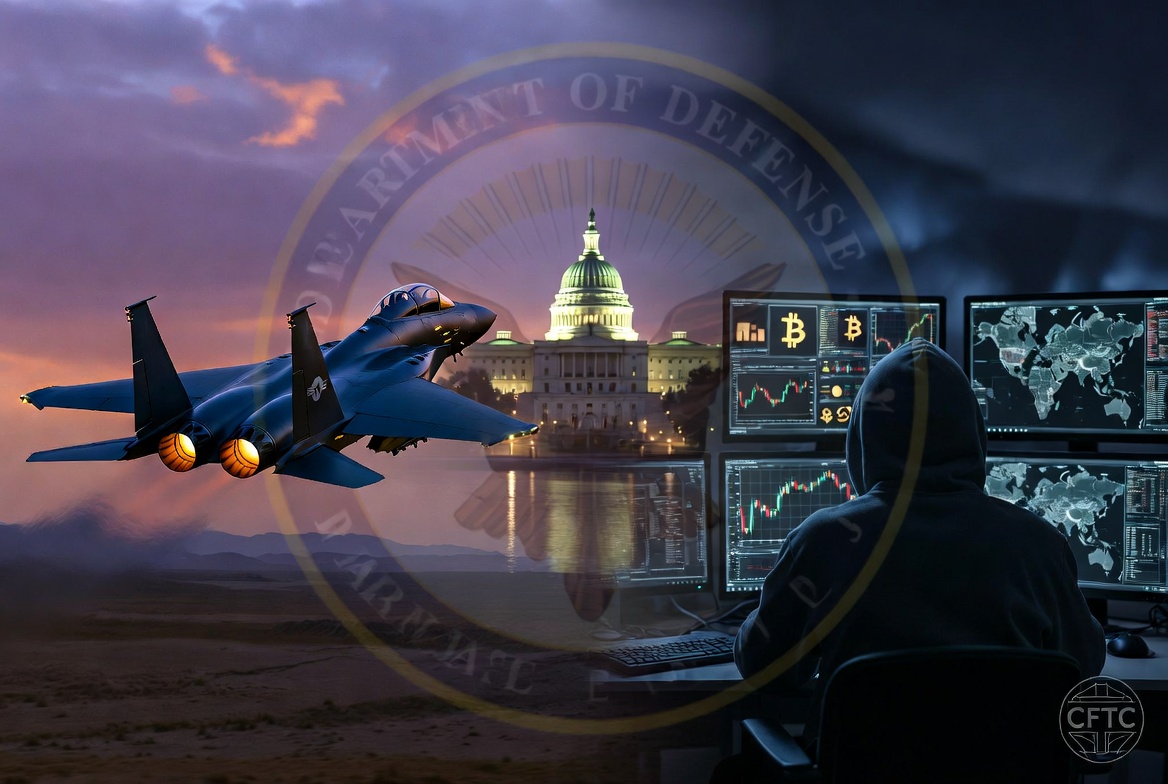
Lawmakers and military officials confront a dangerous reality where anonymous traders place bets on sensitive military operations through unregulated prediction markets. A U.S. Air Force F-15E Strike Eagle crew came under enemy fire during operations over Iran, with one officer evading capture as traders wagered on the exact timing of his rescue. Rep. Seth Moulton, a Marine Corps veteran, publicly condemned the wager as disgusting and demanded its immediate removal. Platforms pulled the contract within hours after intense backlash, yet the episode reveals how prediction market threats to military operations expose classified details and compromise operational security.
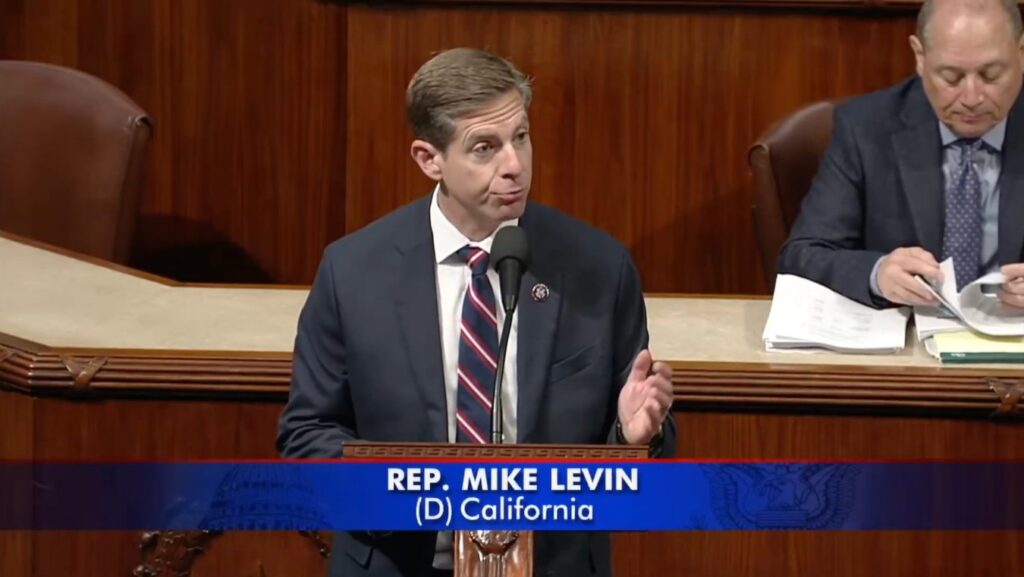
Rep. Mike Levin highlights the urgent dangers these platforms create during ongoing defense briefings and public statements. He points to anonymous accounts that appear to leverage nonpublic knowledge of military actions to secure enormous payouts. One trader operating under the name Magamyman collected roughly $553,000 by accurately forecasting U.S. strikes on Iran and the potential removal of Iran’s Supreme Leader, as detailed in NPR reporting. Levin stresses that such activity does more than generate illegal profits; it broadcasts potential national security information in real time and destroys the element of surprise critical to mission success.
Prediction Market Threats to Military Operations Drive Bipartisan Calls for Immediate Regulation
Platforms enable users to wager on rescue timelines for downed airmen or the precise scheduling of major strikes, creating powerful incentives for information manipulation. Individuals with access to privileged briefings could place anonymous cryptocurrency bets and then influence operations to guarantee personal payouts. This setup transforms national security decisions into opportunities for private financial benefit. Rep. Mike Levin warns that the decentralized structure makes it extremely difficult to identify these actors and dramatically increases the risks to troops deployed in active zones.
Adversaries actively monitor these markets for early signals of impending U.S. military moves. Professors Matthew Motta of Boston University and Robert Ralston of the University of Birmingham document how betting patterns function as valuable intelligence sources in their analysis of prediction markets and war. Foreign actors place opposing bets to distort probabilities or extract advance warnings about American intentions. The practice endangers the effectiveness of U.S. forces and opens pathways for widespread global exploitation.
Matthew Wein, a former Department of Homeland Security policy advisor, explains that artificial intelligence systems now scan every military-related contract for unusual activity. Evan Cooper, a research analyst at the Stimson Center, notes that participation by advisors close to decision-makers could sway whether the United States escalates conflicts. These forces turn prediction markets into weapons that adversaries deploy against core American interests.
Table: Recent High-Profile Bets Raising National Security Alarms
| Event | Timing | Platform Activity | Potential Consequences |
|---|---|---|---|
| F-15E Crew Rescue Timeline | April 3-5, 2026 | Created a strong appearance of leaks from official sources | Exposed operational details; platform removed contract after congressional outcry |
| U.S. Strikes on Iran and Leadership Changes | February-March 2026 | Anonymous account earned approximately $553,000 on timing and outcomes | Signaled impending actions; sparked insider knowledge investigations |
| Venezuela Leadership Capture | January 3, 2026 | The trader secured over $400,000 hours before the military operation | Highlighted risks from nonpublic information driving profits |
| Iran Ceasefire Announcement | April 7, 2026 | Multiple new accounts profited hundreds of thousands before public disclosure | Created strong appearance of leaks from official sources |
These cases demonstrate a recurring pattern in which precisely timed wagers precede major announcements and raise serious questions about information leaks, as reported by the Associated Press. The White House distributed an internal memo cautioning staff against trading on nonpublic details. Lawmakers from both parties now push for formal investigations into whether officials place personal profit ahead of mission priorities. Prediction market threats to military operations have become a focal point in congressional hearings and emerging legislative proposals.
Insider Trading Risks in Prediction Markets Endanger Service Members and Operational Integrity
Rep. Mike Levin connects anonymous betting activity directly to consequences for American service members in the field. He references briefings and presidential statements that contradicted market consensus, suggesting some traders held insider information unavailable to the public. Such practices violate basic ethical standards while simultaneously revealing intentions to enemies who constantly monitor these platforms. Troops conducting dangerous rescue missions or precision strikes now face the added burden of potential leaks in timelines.
Sen. Richard Blumenthal demands accountability by sending formal letters that require platforms to detail their protections against national security compromises. He characterizes these markets as converting warfare into a speculative game in which human lives hang in the balance. Bipartisan initiatives target loopholes that currently permit contracts linked to military events. The Commodity Futures Trading Commission faces mounting pressure to apply existing prohibitions on bets involving war, terrorism, and assassination.
Holders of security clearances face heightened scrutiny because their participation could violate strict conduct rules designed to safeguard classified material. One video discussion examines why even permitted bets trigger clearance reviews when connected to defense-sensitive events. Rep. Eugene Vindman presses regulators on the national security implications of these platforms during recent oversight hearings.
Table: Major Legislative Efforts Addressing Prediction Market National Security Risks
| Legislation | Key Sponsors | Main Provisions | Current Status |
|---|---|---|---|
| DEATH BETS Act | Rep. Mike Levin and Sen. Adam Schiff | Prohibits contracts involving war, terrorism, assassination, or death | Bipartisan sponsors, including Sen. Elissa Slotkin |
| BETS OFF Act | Sen. Chris Murphy and Rep. Greg Casar | Bans markets on government actions vulnerable to manipulation | Advancing through committee review |
| Insider Trading Restriction Bills | Bipartisan sponsors including Sen. Elissa Slotkin | Prohibits officials from using nonpublic information for prediction bets | Under active consideration with CFTC consultation |
These measures seek to reinstate protections that existing rules have failed to deliver effectively. Platforms maintain that their systems harness collective intelligence instead of relying on insider advantages. Critics argue that the anonymous, decentralized design invites systemic abuse.
Foreign intelligence agencies routinely analyze these markets for patterns that disclose U.S. plans. Professors Matthew Motta and Robert Ralston show how sudden spikes in betting volume serve as early indicators, akin to conventional intelligence cues. The Pentagon evaluates select market signals for threat assessment, yet unregulated versions create the very vulnerabilities defense leaders aim to eliminate. Matthew Wein cautions that advanced AI monitoring intensifies these exposures daily.
Vindman calls for platforms to release records that would allow thorough probes into activities that could border on treasonous use of classified details. His position resonates across Capitol Hill as lawmakers advocate banning contracts that incentivize harm or publicize operational schedules. The White House memo reinforces prohibitions against any appearance of profiting from sensitive government information.
Unregulated Prediction Markets National Security Risks Require Swift Congressional Intervention
Anonymous cryptocurrency wallets conceal users’ identities, while public transaction records show massive payouts linked to defense-related developments. This combination of secrecy and visibility produces ideal conditions for manipulation. Adversaries exploit the ecosystem by placing bets that either validate or distort intelligence assessments. U.S. forces executing missions now operate under the constant shadow of potential leaks disseminated via public betting odds.
Unregulated prediction markets national security risks extend far beyond isolated financial irregularities; they attack the foundation of American defense strategy. Officials tracking these platforms identify patterns that could undermine worldwide operations. Rep. Mike Levin and fellow legislators labor to seal existing gaps before the next incident escalates. The lives of service members and the strength of U.S. military credibility hang in the balance.
Platforms face expectations to strengthen internal controls or confront complete prohibitions on sensitive military contracts. Intelligence professionals incorporate limited market data into evaluations, but unregulated formats actively sabotage the frameworks they support. Lawmakers demand levels of transparency and enforcement that match the severity of the threats involved. American national security hinges on resolute action today to avert future compromises.
References
- Military Times article on unregulated prediction markets and national security risks
- Rep. Seth Moulton X post on the F-15E rescue market
- Rep. Mike Levin’s press release on the DEATH BETS Act
- NPR coverage of Magamyman Iran-related trades
- YouTube discussion on prediction markets and security clearances
- YouTube video of Rep. Eugene Vindman questioning the prediction market impacts
- Analysis by Matthew Motta and Robert Ralston on prediction markets and war
- Sen. Richard Blumenthal’s letter regarding suspicious bets
- CNN report on White House warning about insider trading
- CBS News on congressional calls for CFTC action
- Rep. Mike Levin statement introducing DEATH BETS Act companion bill
- Rep. Ritchie Torres legislation on insider trading risks