Sometimes stories arise that you perhaps maybe always suspected were true, but until you see them verified through legitimate sources, you’re never quite sure. If you felt this way about U.S. customers, perhaps using VPNs to bypass blocks to trade on Polymarket today, you stand affirmed. And it’s been large.
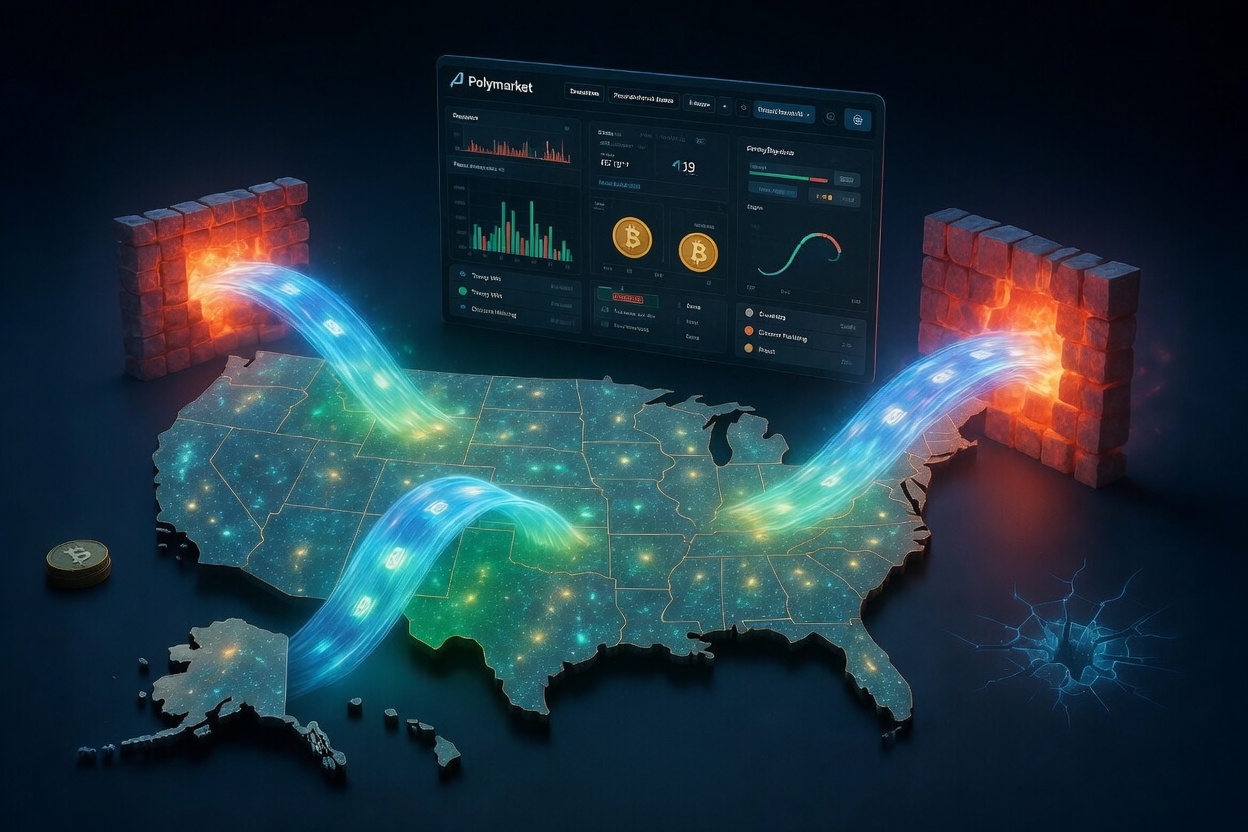
A new study has uncovered that traders in the United States have funneled between $11 billion and $34 billion into the offshore version of Polymarket by using VPNs to bypass strict geoblocking measures. This revelation, detailed in a report published today, highlights the persistent challenges regulators face in enforcing access restrictions on crypto-based event contracts.
As prediction market volumes climb amid high-stakes global events, the offshore surge shows how traders navigate barriers to markets that remain off-limits domestically. The findings now raise fresh questions about the effectiveness of compliance and potential regulatory action by oversight bodies.
Scale of Offshore Trading Volume Surprises Industry Watchers
For those not familiar with Polymarket, the CFTC banned the platform in the U.S. in 2022 for operating as an unregulated derivatives market. It later spun off an entity, Polymarket US, which purchased a trading platform with pre-existing regulatory approval and became a lawful entity in the U.S., though still blocked in multiple states. Polymarket US operates independently of Polymarket (international), trades in U.S. dollars, and complies with U.S. federal regulatory guidelines. The offshore, crypto-based Polymarket is not accessible for trading by U.S residents. Or not meant to be.
This new report estimates that approximately 30% of total trading activity on the international Polymarket platform originates from U.S.-based traders employing virtual private networks. While the platform maintains formal blocks for certain regions, these tools drive substantial liquidity into the offshore Polymarket.
Traders have poured resources into a range of contracts, from election outcomes to economic indicators, via wallet connections that mask their locations. This unauthorized activity continues even as the company ramps up IP filtering and selective identity checks.
Breakdown of Estimated U.S. Offshore Volume
| Time Period | Estimated Low-End Volume | Estimated High-End Volume | Percentage of Total Platform Volume |
|---|---|---|---|
| Recent 12 Months | $11 billion | $34 billion | ~30% |
| Peak Event Weeks | $2.5 billion | $8 billion | Up to 40% during surges |
Regulatory Implications Loom Large for CFTC and DOJ Oversight
Regulators at the Commodity Futures Trading Commission and Department of Justice must now confront evidence of this widespread circumvention, which looks quite bad publicly and will not make them particularly happy. Although Polymarket settled prior issues by implementing geoblocks in its 2022 settlement, the study notably suggests that these measures have not prevented at least some unauthorized access.
Officials are investigating whether the bypasses violated the settlement terms. In a family parlance, you can bet somebody is going to be getting a very stern talking to when Dad gets home.
Key Regulatory Milestones Related to Access Controls
| Milestone | Date | Impact on Trader Access |
|---|---|---|
| Initial Settlement with Authorities | 2022 | Required geoblocking implementation |
| Heightened VPN Scrutiny | 2025-2026 | IP blocks and KYC flags introduced |
| Ongoing Compliance Reviews | Current | Potential for updated enforcement |
Technical Workarounds Empower Persistent Market Participation
Many work-around traders connect through popular VPN providers paired with non-custodial wallets. Online tutorials demonstrate setups that can be completed in minutes, explaining the sustained volume of unapproved offshore trading.
Despite platform updates targeting known VPN IP ranges, users switch over to dynamic servers to stay active. This ongoing adaptation allows traders to seek alpha in real-time events. Not super advanced by any means. Once the process gets shared across Reddit, etc., it’s pretty much open season for any ambitious trader.
Volume Comparison: Offshore vs Regulated Channels
| Category | Offshore International | Domestic Regulated Equivalent |
|---|---|---|
| Monthly Average | $9+ billion | $1-2 billion |
| US Contribution Share | 30% via VPN | Direct compliant access |
| Growth Trend | Accelerating | Steady but lower scale |
Efforts to curb unauthorized access include blocking specific VPN providers and prompting identity verification for high-volume accounts. But the decentralized nature of wallet-based trading still complicates real-time full traceability.
Some traders prefer the offshore Polymarket channels for the more diverse contracts and lower friction. And when traders prefer it, they will find a way.
References
- WIRED – Americans Are Trading Billions on Polymarket’s Offshore Platform
- Sportico – Polymarket Rebels Using VPNs
- Gizmodo – Polymarket VPN Crackdown
- CFTC Settlement Announcement
- YouTube – Polymarket US Access Guide
- Yahoo Finance – Polymarket KYC and VPN Policies
- CoinDesk – Probe on Access Challenges
- VPN Overview – Best Practices for Access
- The Information – Trader ID Requirements