As a general reminder from the PolyPunter staff: we believe all of these judicial decisions involving the states and prediction markets (under the auspices of the CFTC) will ultimately be decided by the Supreme Court. Nevertheless, each of these current legal battles and rulings has a short-term impact on the state of play and is well worth monitoring for both legal reasoning and the ways they may disrupt prediction market access for some or many.
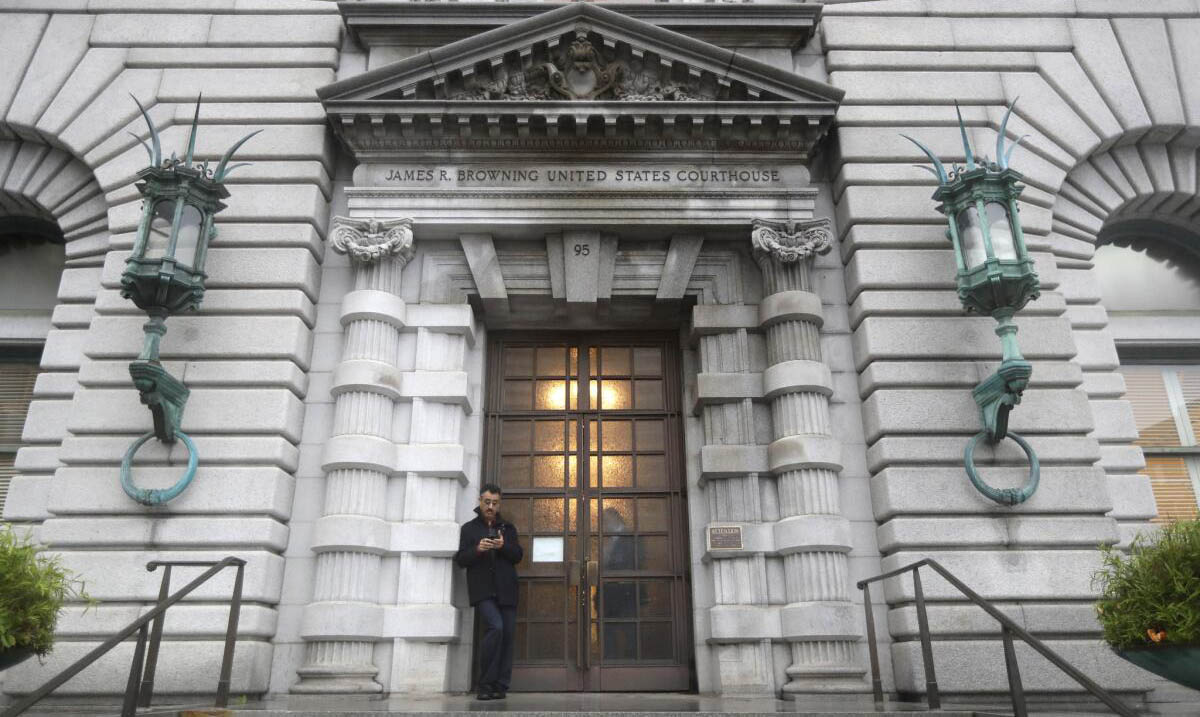
The Ninth Circuit has denied motions for stay pending appeal filed by Kalshi and Polymarket. This action sends removed civil enforcement cases back to state courts in Nevada and Washington after determining the platforms are unlikely to succeed on their federal-officer removal arguments.
The Ninth Circuit ruling strengthens prospects for similar remands in New York, Wisconsin, and Michigan, where platforms have attempted the same removal strategy. States have prevailed in every contested remand ruling so far. In short, Kalshi and Polymarket lost this round of legal maneuvering.
Understanding the Core Dispute: Removal Tactics Under Fire
Platforms removed state-court civil enforcement actions to federal court, relying on a federal officer theory connected to their CFTC registration. Federal judges have consistently rejected these efforts, as detailed in ongoing coverage from The National Law Review. The Ninth Circuit’s latest decision reinforces this pattern. The states maintain strong results in temporary restraining orders and preliminary injunctions in their own courts.
The latest decision boosts the chances of remand in pending cases across multiple states. State attorneys general will now hold even firmer ground when opposing federal forum shifts.
Key Court Outcomes in Recent Enforcement Actions
| Platform | State | Recent Ruling | Impact |
|---|---|---|---|
| Kalshi | Nevada | Remand granted, stay denied | Increases the risk of operational restrictions |
| Polymarket | Nevada | Remand granted, stay denied | Increases risk of operational restrictions |
| Kalshi | Washington | Remand order upheld | Bolsters state authority claims |
Implications Ripple Across Pending Cases Nationwide
Prediction platform operators must now prepare for accelerated state-level proceedings while pursuing appeals on the merits, according to analysis from Mindcast AI.
Gaming law specialist Daniel Wallach shared via social media that the denial signals increasing doubt about these removal approaches. This view aligns with trends in which courts prioritize state police powers over expansive preemption claims.
Broader Federal-State Tensions Escalate
These remand battles form part of a larger clash in which the CFTC asserts exclusive jurisdiction over prediction markets while states defend their regulatory role over gaming and wagering activities. The Ninth Circuit moved swiftly after hearing arguments, determining the federal-officer removal lacked sufficient merit to justify halting state actions. Although the ruling does not resolve underlying preemption questions, it tilts the procedural landscape toward state courts, where, perhaps not so surprisingly, plaintiff state regulators have repeatedly succeeded.
Strategic Shifts Likely for Market Operators
Kalshi and Polymarket will need a new plan. They must now recalibrate their legal approaches to these bans and prohibitions in affected states. While appeals continue at higher levels, the immediate denial of stays forces engagement with state courts. The CFTC has filed separate actions against states seeking to block perceived overreach, creating parallel tracks that add complexity to the disputes.
Potential Paths Forward and Long-Term Outlook
Although stays were denied, full appeals on removal and preemption issues remain active. Platforms may seek further relief, possibly including emergency applications. In Wisconsin, Michigan, and New York, attorneys general now stand on stronger precedent when arguing against removal. Interconnected litigation means decisions in one circuit reverberate nationwide.
References
- Daniel Wallach X Post on Ninth Circuit Ruling
- Nevada Current Report
- Ninth Circuit Oral Arguments Video
- Yahoo Finance Coverage
- Action Network Lawsuit Tracker